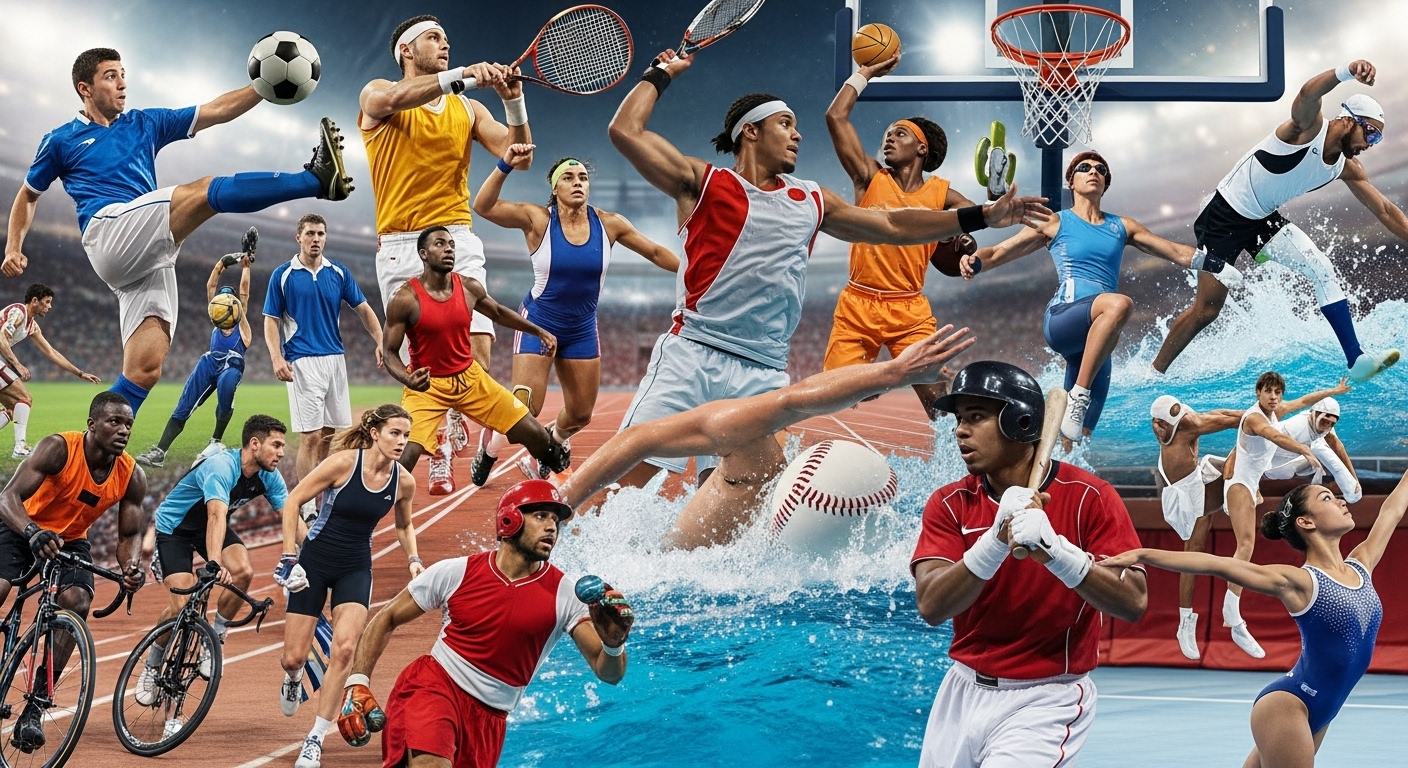

Sports have always held a unique place in human society. From the earliest recorded games in ancient civilizations to the modern era of global tournaments, sports have been a reflection of human ambition, skill, and community. While many view sports simply as entertainment, their impact stretches far beyond the thrill of victory or the agony of defeat. Sports shape culture, teach life skills, foster social bonds, and even influence personal and national identity. Understanding the multifaceted role of sports offers a glimpse into why they remain a cornerstone of human experience.
The Historical Significance of Sports
The origins of sports can be traced back thousands of years. Ancient civilizations, such as the Greeks, Egyptians, and Mayans, engaged in structured physical competitions that went beyond recreation. The Greeks, for instance, institutionalized sports through the Olympic Games, celebrating physical prowess, discipline, and excellence. In other cultures, games often had religious or ritualistic significance, serving as a way to honor deities or mark important seasonal changes. These historical roots highlight the enduring human fascination with competition, skill, and physical expression. The evolution of sports over time shows how they have adapted to societal changes while maintaining their core principles of challenge, strategy, and teamwork.
Sports as a Medium for Personal Growth
Engaging in sports is more than a pastime; it is a powerful tool for personal development. Participation in sports teaches discipline, perseverance, and goal-setting. Athletes learn to overcome failure, adapt strategies, and push themselves beyond perceived limits. These lessons often translate into other areas of life, fostering resilience and determination. For children and adolescents, involvement in sports can be particularly transformative. It builds self-confidence, encourages teamwork, and promotes healthy lifestyle habits. Even for adults, regular participation in sports contributes to mental well-being, stress reduction, and physical health. In essence, sports cultivate both body and mind, creating individuals equipped to handle challenges both on and off the field.
The Role of Team Sports in Building Social Skills
Team sports offer a unique environment where interpersonal skills are as critical as physical ability. Playing in a team requires communication, cooperation, and mutual respect. Athletes learn to navigate group dynamics, resolve conflicts, and celebrate collective achievements. These experiences help individuals develop empathy, leadership, and social intelligence. For communities, team sports serve as a unifying force. Local leagues, school competitions, and community events bring people together, fostering connections across diverse backgrounds. The camaraderie formed in sports often extends beyond the game, creating lifelong friendships and support networks.
The Global Impact of Competitive Sports
Competitive sports have become a global phenomenon, transcending cultural and geographical boundaries. Events such as international tournaments and world championships captivate millions, creating shared experiences that unite people across continents. Sports have the power to promote cultural exchange, as athletes and fans alike are exposed to new traditions, languages, and perspectives. Additionally, competitive sports drive economic activity, providing jobs, tourism revenue, and opportunities for businesses. Beyond the economic impact, the international visibility of sports serves as a platform for advocacy, inspiring movements for social justice, environmental awareness, and equality.
Women in Sports: Breaking Barriers
Historically, sports were largely dominated by men, but women have made tremendous strides in recent decades. Female athletes continue to challenge stereotypes, proving that skill, strength, and determination know no gender. The rise of women’s leagues, increased media coverage, and the success of female Olympians and professional athletes have helped reshape societal perceptions. Participation in sports empowers women, providing opportunities for leadership, self-expression, and personal growth. Moreover, women in sports inspire future generations, demonstrating that talent and hard work transcend social barriers. The ongoing fight for equity in sports highlights the importance of access, representation, and recognition for all athletes.
The Psychological Benefits of Sports
Sports are not just beneficial for the body; they are essential for mental health. Physical activity stimulates the release of endorphins, chemicals that promote feelings of happiness and reduce stress. Regular participation in sports can alleviate symptoms of anxiety and depression while improving focus and cognitive function. Athletes often experience a sense of purpose, identity, and accomplishment through their engagement in sports. Additionally, overcoming challenges and achieving personal milestones in sports fosters resilience and a positive mindset. Whether playing recreationally or competitively, the psychological rewards of sports contribute to a more balanced and fulfilling life.
The Influence of Technology on Modern Sports
Technology has revolutionized the way sports are played, analyzed, and consumed. Advanced training tools, wearable devices, and performance analytics allow athletes to optimize their skills and monitor their physical condition. Video review systems and instant replay enhance fairness and accuracy in competitive settings. For fans, digital platforms provide real-time updates, immersive experiences, and opportunities to engage with teams and players globally. While technology improves performance and accessibility, it also raises questions about the balance between human skill and digital enhancement. Despite these challenges, technology continues to enrich the sports experience for players and spectators alike.
The Role of Sports in Education
In educational settings, sports play a crucial role in holistic development. Schools and colleges often integrate athletic programs into their curricula to promote physical health, teamwork, and discipline. Participation in sports helps students develop time management skills, perseverance, and leadership qualities. Additionally, sports provide an outlet for stress and foster a sense of belonging within the school community. Scholarships and athletic programs can also create pathways for higher education and professional opportunities. By emphasizing both academic and athletic growth, educational institutions prepare students to thrive in diverse areas of life.
Sports as a Reflection of Society
Sports often mirror societal values, norms, and struggles. The issues faced on the field, such as inequality, inclusion, and ethics, frequently reflect broader social challenges. For example, debates about fairness, representation, and access in sports echo similar conversations in workplaces, communities, and governments. Moreover, sports heroes often become cultural icons, embodying ideals of perseverance, integrity, and excellence. The way society celebrates victories, mourns defeats, and reacts to controversies in sports reveals much about collective values, aspirations, and identity. In this sense, sports serve not only as entertainment but also as a lens through which we can examine ourselves and our communities.
Sports and National Identity
On an international stage, sports are often intertwined with national pride. Major tournaments and competitions become arenas for nations to showcase their talent, culture, and resilience. Victories can boost national morale, foster unity, and create a sense of shared achievement. Conversely, losses often spark reflection on development, strategy, and future potential. Sporting events can also serve diplomatic purposes, promoting goodwill and cultural exchange between nations. The connection between sports and national identity illustrates the profound impact that athletic endeavors can have beyond the individual or team level.
The Future of Sports
As society continues to evolve, so too will the world of sports. Emerging trends include greater inclusivity, innovative technologies, and expanded global reach. Adaptive sports for differently-abled athletes are gaining recognition, emphasizing the universal accessibility of athletic participation. Virtual and augmented reality experiences are transforming how fans engage with sports, making them more interactive and immersive. Additionally, environmental sustainability and ethical considerations are becoming integral to sports management and infrastructure. The future of sports lies in balancing tradition with innovation, ensuring that the benefits of physical activity, community engagement, and personal growth remain accessible to all.
Conclusion: Sports as a Catalyst for Change
Sports are far more than games played on fields, courts, or tracks. They are powerful tools for personal development, social cohesion, cultural expression, and national pride. From ancient civilizations to modern mega-events, sports continue to reflect the human spirit, embodying values such as perseverance, teamwork, and integrity. Participation in sports cultivates mental and physical well-being, fosters leadership and empathy, and provides opportunities for empowerment and inclusion. As technology and society evolve, the essence of sports remains unchanged: a celebration of human potential, resilience, and connection. Embracing sports in all its forms allows individuals and communities to grow, inspire, and thrive, proving that the true value of sports extends far beyond the scoreboard.