
Introduction: Why Sports Matter More Than We Think
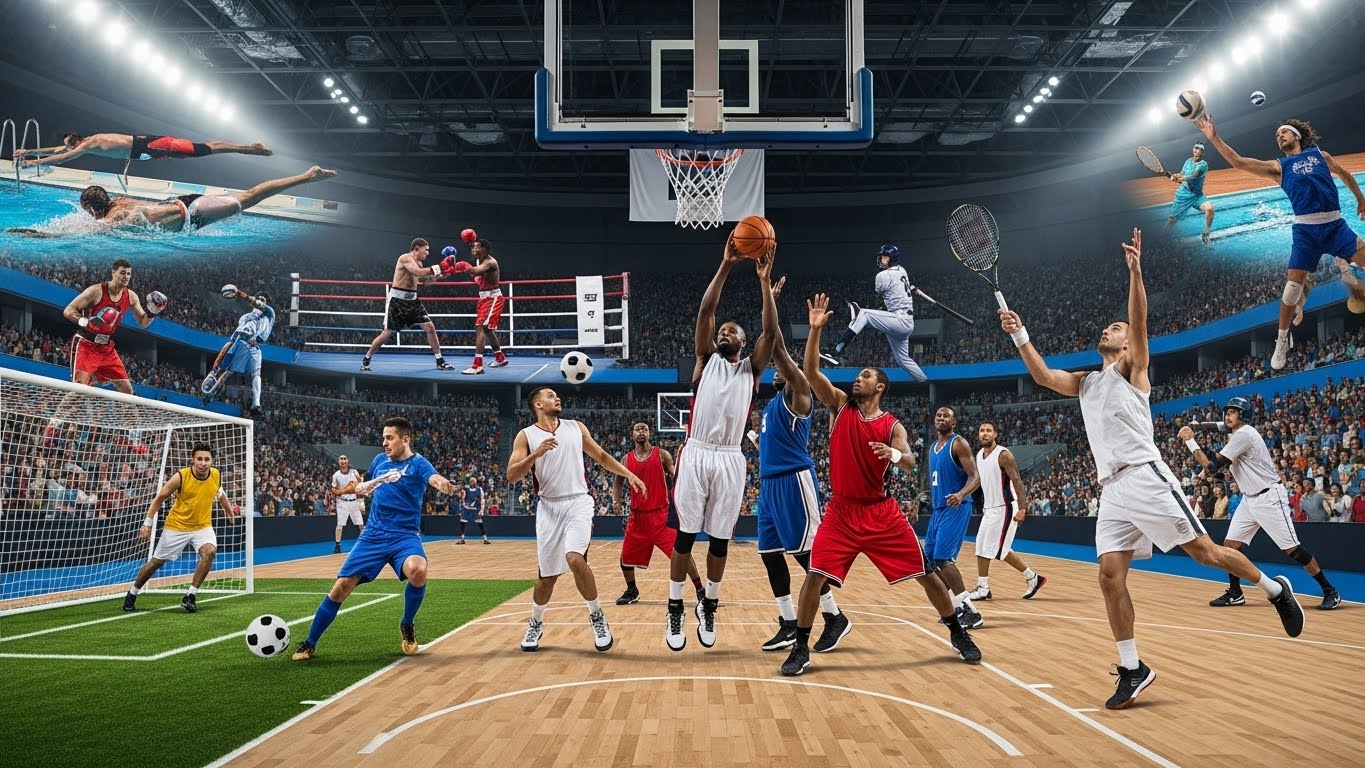
Sports have always been an integral part of human civilization, offering more than just a way to pass the time. From ancient rituals to global spectacles, sports are a universal language that connect people from all walks of life. Whether it’s the thrill of a World Cup match or the quiet satisfaction of a neighborhood basketball game, sports have an incredible ability to unite us, challenge us, and inspire us to push beyond our limits. In this blog, we will explore the profound impact that sports have on our world. From the social benefits to the lessons they teach us, sports are far more than mere entertainment—they shape our lives in ways we often don’t realize.
The Historical Roots of Sports: From Rituals to Recreation
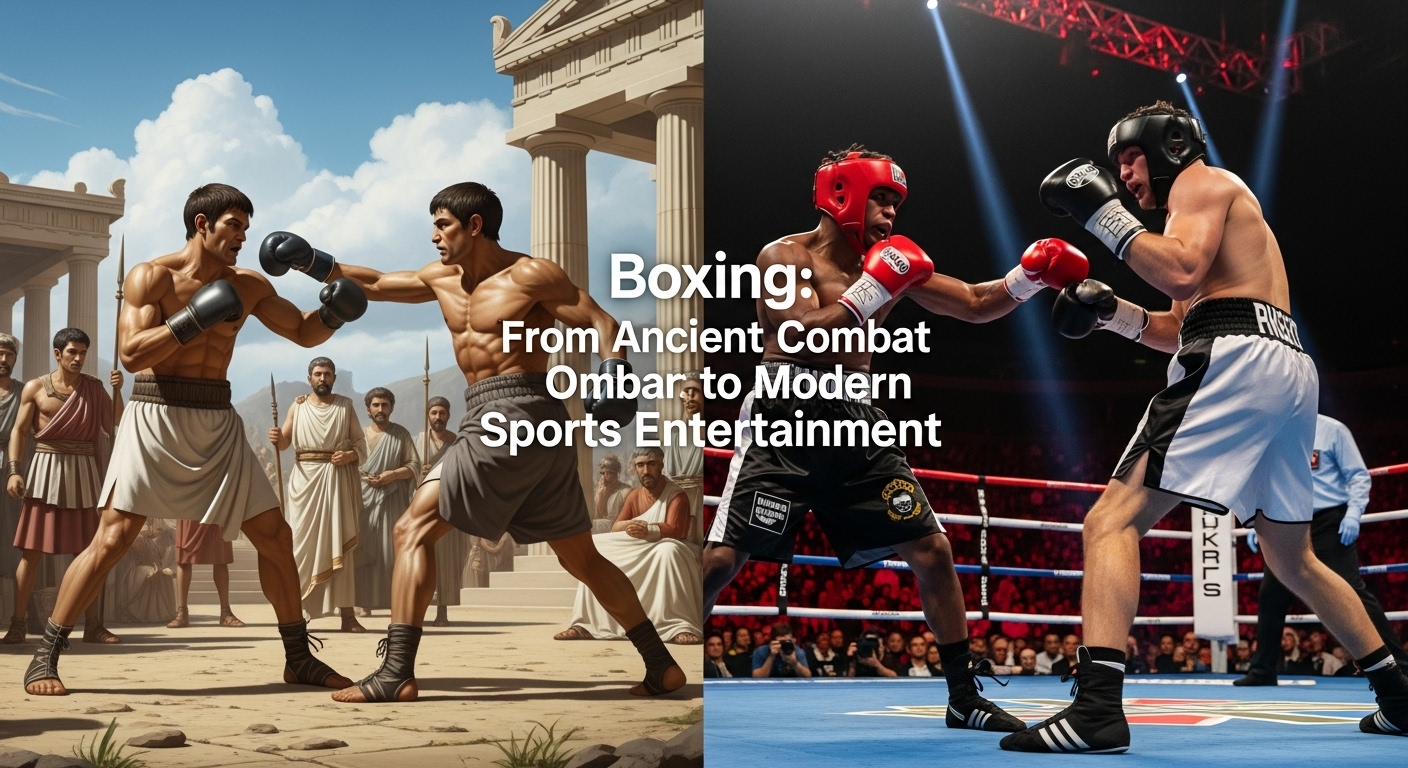
The origins of sports can be traced back thousands of years. In ancient civilizations, physical contests were often tied to religious ceremonies or military training. The Ancient Greeks, for instance, held the Olympic Games to honor the gods. These competitions were not just about physical strength and skill; they were acts of devotion and expressions of cultural pride. Events like running, discus throwing, and wrestling were performed in sacred spaces, and the victors were celebrated as heroes.
In ancient Rome, gladiatorial contests became a major form of public entertainment. While brutal, these fights were held in massive arenas, drawing crowds of thousands who cheered for their favorite fighters. The games were part of a wider tradition of Roman spectacle, which also included chariot racing and athletic competitions. These events served not only as entertainment but also as a means of showcasing the might of the empire and solidifying the power of its rulers.
As time progressed, the concept of sport became more secular, with events focusing on individual skill and competition rather than religious or political messages. However, the cultural significance of sport remained strong, and it evolved in different forms in various cultures.
The Rise of Organized Sports: The 19th Century Revolution
The 19th century brought with it a new era for sports. With the Industrial Revolution came an increase in leisure time for the working class, and as cities grew, so did the demand for organized recreation. This period marked the birth of many modern sports as we know them today, including football (soccer), rugby, cricket, and tennis.
In England, the mid-1800s saw the establishment of the Football Association, which helped to standardize the rules of soccer and pave the way for the formation of professional leagues. This standardization of rules was crucial in the development of organized sports, as it allowed for competitions that could be held consistently and fairly. Rugby, cricket, and tennis also underwent similar transformations during this period, with their rules formalized and the first professional leagues established.
The 19th century also witnessed the founding of the modern Olympic Games. The Olympics, revived in 1896 by Pierre de Coubertin, aimed to bring nations together in the spirit of peaceful competition. The first Games, held in Athens, marked the beginning of what would become one of the most prestigious and widely viewed sporting events in the world. This period also saw the emergence of professional sports leagues in countries like the United States, where baseball, basketball, and American football gained popularity.
Sports as a Cultural Phenomenon: The 20th Century Boom
The 20th century was a game-changer for sports. With the rise of mass media—particularly radio and television—sports reached a global audience like never before. Major events, from the Olympic Games to the FIFA World Cup, became international spectacles, bringing people from different nations together to celebrate the athletic feats of their fellow citizens.
The early part of the 20th century saw the professionalization of sports on a scale that had never been seen before. Icons like Babe Ruth, Jackie Robinson, and Pelé transcended their respective sports, becoming global symbols of excellence, resilience, and cultural change. They didn’t just play for their teams—they represented entire nations, races, and movements. For example, Jackie Robinson’s breaking of the color barrier in Major League Baseball in 1947 was a watershed moment, not just for sports, but for the Civil Rights Movement in the United States.
In the same vein, the 1960s and 1970s saw the rise of athletes who used their platforms to challenge societal norms. Muhammad Ali, one of the most famous boxers of all time, became a symbol of resistance, refusing to serve in the Vietnam War and making bold statements about race and religion. Meanwhile, tennis icon Billie Jean King became a pioneer for gender equality in sports, fighting for equal pay and respect for female athletes.
The global media boom also brought with it a rise in sponsorship deals, television contracts, and professional sports leagues. As sports became more commercialized, athletes became brands unto themselves. They signed endorsement deals, appeared in advertisements, and used their fame to leverage political and social influence. This commercialization had both positive and negative effects, but it undeniably raised the profile of athletes and the sports they played.
The Role of Technology: Enhancing Performance and Fan Experience
As sports evolved, technology became increasingly intertwined with athletic performance and the way we consume sports. In the past few decades, advancements in equipment, training, and analytics have revolutionized the way athletes prepare for competitions. Technologies like biomechanics, motion tracking, and genetic testing have allowed athletes to optimize their physical abilities, pushing the limits of what the human body can achieve.
In addition to enhancing performance, technology has drastically changed how fans experience sports. The advent of cable television, satellite broadcasts, and digital streaming has made it possible for fans around the world to watch live events from the comfort of their homes. High-definition broadcasts, 3D viewing, and even virtual reality (VR) technology are now part of the fan experience, bringing games closer to viewers than ever before.
At the same time, technology has impacted the rules of sport. Instant replay systems, video assistant referees (VAR) in soccer, and Hawkeye technology in tennis and cricket have allowed for more accurate decision-making. While these technological interventions are often met with controversy, they serve to ensure fair play and enhance the overall integrity of the competition.
The Commercialization of Sports: From Entertainment to Business
The 21st century has seen the complete commercialization of sports, turning them into multi-billion-dollar industries. Global sports leagues like the English Premier League, the NBA, and the NFL generate staggering amounts of revenue through media rights, sponsorships, and merchandise sales. The power of sports has extended far beyond the playing field, with sports stars becoming global superstars in their own right.
The business of sports is no longer confined to the athletes and the leagues; it has permeated almost every aspect of society. From the construction of massive, state-of-the-art stadiums to the development of merchandise empires, sports have become a key driver of economic activity in many countries. Sports sponsorships are a massive business, with companies like Nike, Adidas, and Coca-Cola investing millions of dollars to partner with teams and athletes.
However, this commercialization has led to some challenges. The focus on profits has sometimes overshadowed the core values of sport—fair competition and athletic integrity. For example, doping scandals in cycling and athletics, along with controversies over player salaries and transfer fees, have sparked debates about the true essence of sport. Despite these challenges, sports continue to be a vital part of the global economy and remain one of the most lucrative forms of entertainment worldwide.
The Social Impact of Sports: Building Communities and Character
Beyond entertainment and business, sports have a profound social impact. Whether it’s a local basketball game or a global event like the Olympics, sports bring people together. They create shared experiences and foster a sense of community, regardless of race, religion, or nationality. In a world that often seems divided, sports provide a common ground where people can unite over a shared passion.
On a personal level, sports teach valuable life lessons about perseverance, teamwork, and discipline. Athletes learn how to overcome setbacks, how to collaborate with others, and how to push through pain and adversity. These qualities extend beyond the playing field and shape the character of individuals in profound ways. Sports also teach us the importance of good sportsmanship—winning with humility and losing with grace.
Moreover, sports play a vital role in promoting physical and mental well-being. Regular participation in physical activities helps combat health issues like obesity and cardiovascular disease, while the camaraderie and sense of achievement derived from playing sports can boost mental health and reduce stress.
The Future of Sports: Sustainability and Inclusivity
As we look ahead, the future of sports is likely to be shaped by two key factors: sustainability and inclusivity. With the growing concerns over climate change, there is an increasing emphasis on making sports more environmentally friendly. From sustainable stadium designs to reducing the carbon footprint of major events, the sports industry is slowly adopting more eco-friendly practices.
In terms of inclusivity, we are likely to see more efforts to level the playing field for underrepresented groups. Women’s sports have seen significant growth in recent years, with more investment and media coverage than ever before. The rise of women’s football, basketball, and tennis is paving the way for greater gender equality in sports.
Additionally, the inclusion of athletes from diverse backgrounds, including those with disabilities, will continue to rise. The Paralympic Games, which take place alongside the Olympics, are a powerful reminder of the capacity of the human spirit to overcome challenges and thrive in the face of adversity.
Conclusion: The Everlasting Power of Sports
Sports are more than just games; they are a reflection of who we are as human beings. They bring us together, teach us valuable lessons, and provide a platform for cultural exchange and personal growth. From their ancient origins to their modern-day glory, sports have evolved into a global phenomenon that influences every aspect of our lives. As we look to the future, sports will undoubtedly continue to inspire and unite people across the world,