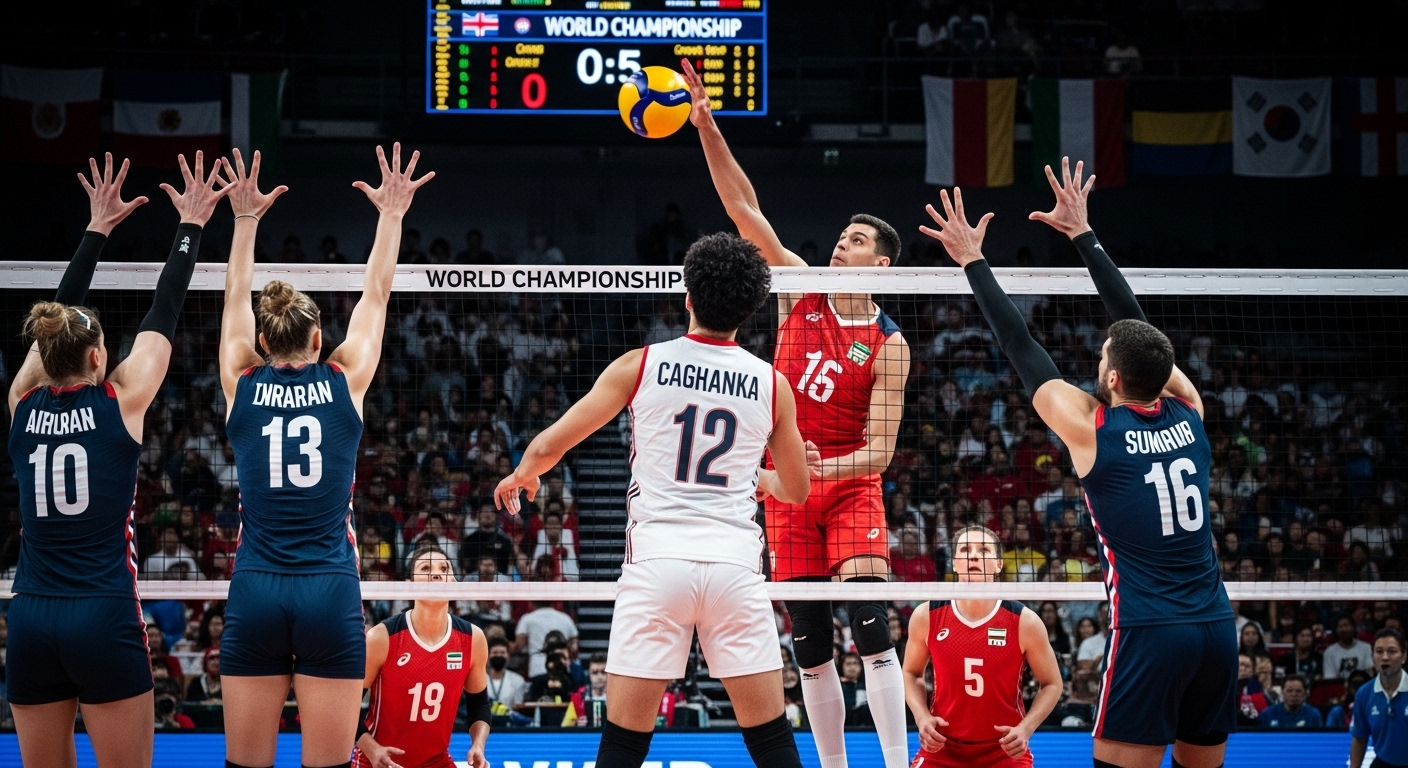
Sports have a unique way of transcending boundaries, connecting individuals across cultures, and sparking passions in millions of people around the world. Whether it’s the adrenaline rush of a championship final, the camaraderie formed in a local community match, or the inspiration drawn from athletes’ perseverance, sports offer much more than entertainment. They play a pivotal role in shaping societies, influencing economies, and even fostering personal development. This blog post explores the profound impact of sports on our lives, cultures, and the world as a whole.
The Universal Appeal of Sports
One of the most fascinating aspects of sports is their universal appeal. Sports are deeply ingrained in every society, from the smallest village to the largest cities, regardless of culture, language, or background. This universal love for sports is rooted in the human need for play, competition, and shared experiences. Whether it’s soccer in Brazil, cricket in India, or baseball in the United States, sports have a universal language that connects people across the globe.
At their core, sports are a form of human expression. They allow individuals to showcase talent, dedication, and skill. For many, watching or playing sports becomes a part of their identity. The shared experiences of watching an intense football game or playing in a local league foster a sense of belonging, community, and pride. This universal nature of sports makes them not only a source of entertainment but also a powerful tool for social connection.
Sports and Personal Growth: More Than Just Physical Fitness
While physical fitness is one of the most well-known benefits of engaging in sports, the true value of sports goes much deeper. Participation in sports promotes mental, emotional, and social development that can significantly impact an individual’s life. From teaching important life skills to boosting self-confidence, sports play a critical role in shaping well-rounded individuals.
Building Character through Teamwork
One of the most important lessons sports teach is the value of teamwork. Whether you are playing basketball, soccer, or any other team-based sport, cooperation is key. Athletes learn how to work with others, communicate effectively, and develop a sense of shared responsibility toward a common goal. These lessons are not only applicable in sports but are also transferable to many aspects of life, including the workplace and personal relationships.
In team sports, athletes understand that success is not just about individual performance, but about how well the team collaborates. The importance of trust, mutual respect, and clear communication are lessons that extend beyond the field, making sports a valuable educational tool for young people.
Discipline and Time Management
Sports require a level of discipline that instills strong work ethics in participants. Training sessions, early mornings, intense workouts, and strict diets—athletes must maintain a disciplined routine to perform at their best. This consistent dedication cultivates a strong sense of responsibility and helps athletes manage their time efficiently.
For many young people, sports are the first real introduction to balancing multiple commitments. Whether it’s managing school, work, or social activities, the time management skills developed in sports are invaluable. Learning to prioritize tasks and make sacrifices for a larger goal is a critical life skill that can lead to success in various areas of life.
Overcoming Adversity: The Power of Resilience
In sports, as in life, failure is inevitable. Whether it’s losing a game, facing an injury, or falling short of a personal goal, athletes encounter setbacks. However, sports teach resilience—the ability to bounce back from failure and keep going. This mental toughness is one of the most important benefits of sports, helping athletes develop the mindset to overcome challenges and persevere through difficult situations.
Athletes learn to manage disappointment and use failure as motivation for improvement. This resilience extends far beyond the field or court, helping individuals navigate life’s obstacles with a more positive and determined mindset.
Sports as a Reflection of Society
Sports are not only a mirror of personal growth, but they also serve as a reflection of society. They provide insight into cultural values, political tensions, and social issues, often influencing and being influenced by the times in which they occur. The global nature of sports allows them to serve as platforms for national pride, social movements, and even political expression.
Sports and National Identity
One of the most powerful ways sports impact society is through their role in fostering national pride. Major international competitions like the FIFA World Cup, the Olympics, and the Rugby World Cup often evoke a deep sense of patriotism, as people rally behind their national teams. These events become opportunities to celebrate cultural identity, unity, and the collective spirit of a nation.
For many countries, the success of their athletes on the world stage is a symbol of national strength and pride. The emotions experienced by fans when their team wins or loses can define moments in history and create lasting memories. From the national celebrations in Brazil after a World Cup victory to the collective heartbreak in the UK when England lost in penalty shootouts, sports have the unique ability to unite people in both joy and sorrow.
Sports and Social Change
Beyond national pride, sports can serve as a platform for social change. Throughout history, athletes have used their platforms to speak out against injustice, inequality, and discrimination. The courage of individuals like Muhammad Ali, Jackie Robinson, and Billie Jean King to challenge societal norms has not only changed the trajectory of their respective sports but has also had a profound effect on society as a whole.
In the modern era, sports continue to be a stage for activism. Athletes like Colin Kaepernick, who took a knee during the national anthem to protest racial inequality, have sparked important conversations about social justice. Sports have the ability to raise awareness on global issues, providing a voice for marginalized communities and offering a powerful means of protest.
The Economic Impact of Sports
Sports are not only a source of cultural significance but also a significant driver of economic growth. The sports industry is a multi-billion-dollar global business encompassing everything from professional leagues to sports tourism, media rights, merchandise sales, and sponsorship deals. The economic power of sports touches every level, from local clubs and community programs to the most prestigious international tournaments.
Job Creation and Economic Development
Sports create jobs and boost economies in a variety of ways. From professional athletes and coaches to event organizers, marketers, and broadcasters, the sports industry employs millions of people worldwide. The development of sports facilities, stadiums, and arenas also contributes to job creation and infrastructure development. Major sporting events like the Olympics or the World Cup bring significant investment to host cities, providing a boost to tourism, local businesses, and employment.
In addition to the direct economic impact, sports also play an important role in community development. Local sports leagues and community programs help foster a sense of community and engagement, while also promoting healthy lifestyles. The economic benefits of sports are felt at every level, from grassroots participation to international competitions.
The Role of Sponsorship and Media
The relationship between sports and media has transformed in recent decades, with sports events becoming key broadcasting content worldwide. Television networks, streaming platforms, and online media outlets are increasingly investing in sports content. The sheer volume of viewers for major sporting events translates into substantial advertising revenue, making sports a key component of the global media landscape.
Sponsorships have also become a significant revenue stream for teams, athletes, and events. Major brands from across industries—whether it’s sportswear, automobiles, or tech companies—vie for the opportunity to sponsor high-profile teams and athletes. These sponsorships help fund the high costs associated with running teams and events while also creating brand visibility on a global scale.
The Changing Landscape of Sports
While sports have remained a constant force in society, the way we engage with them is changing. Technology, digital media, and new forms of entertainment are reshaping the sports landscape in exciting ways.
The Rise of Esports
One of the most significant developments in recent years is the rise of esports, competitive video gaming. Esports has quickly become a global phenomenon, attracting millions of viewers and players worldwide. Just like traditional sports, esports offers professional leagues, tournaments, and dedicated fans. With sponsorships, streaming platforms, and merchandise sales, esports has transformed into a multi-billion-dollar industry.
Esports also offers a platform for young people to participate in competitive play from a distance, providing an accessible alternative to traditional physical sports. As technology continues to evolve, esports will likely continue to grow, possibly even merging with traditional sports in exciting new ways.
Innovations in Fan Engagement
Technology has also changed how fans experience sports. Virtual reality (VR) and augmented reality (AR) are enhancing the viewing experience, offering fans new ways to engage with their favorite teams and players. Interactive platforms, social media, and live streaming services allow fans to watch events from anywhere in the world, providing instant access to games, highlights, and behind-the-scenes content.
As the connection between technology and sports deepens, the future promises even more exciting ways for fans to engage with their favorite teams, athletes, and sports events.
Conclusion
Sports are much more than a form of entertainment. They have the power to shape cultures, unite communities, inspire individuals, and drive economic growth. Whether played on a local field or watched by millions on a global stage, sports have a unique ability to transcend boundaries and create shared experiences. In a rapidly changing world, the enduring power of sports will continue to evolve, but their role as a unifying force will always remain central to our lives. The stories of perseverance, teamwork, and triumph in sports resonate deeply with us all, making sports an essential part of our collective human experience.