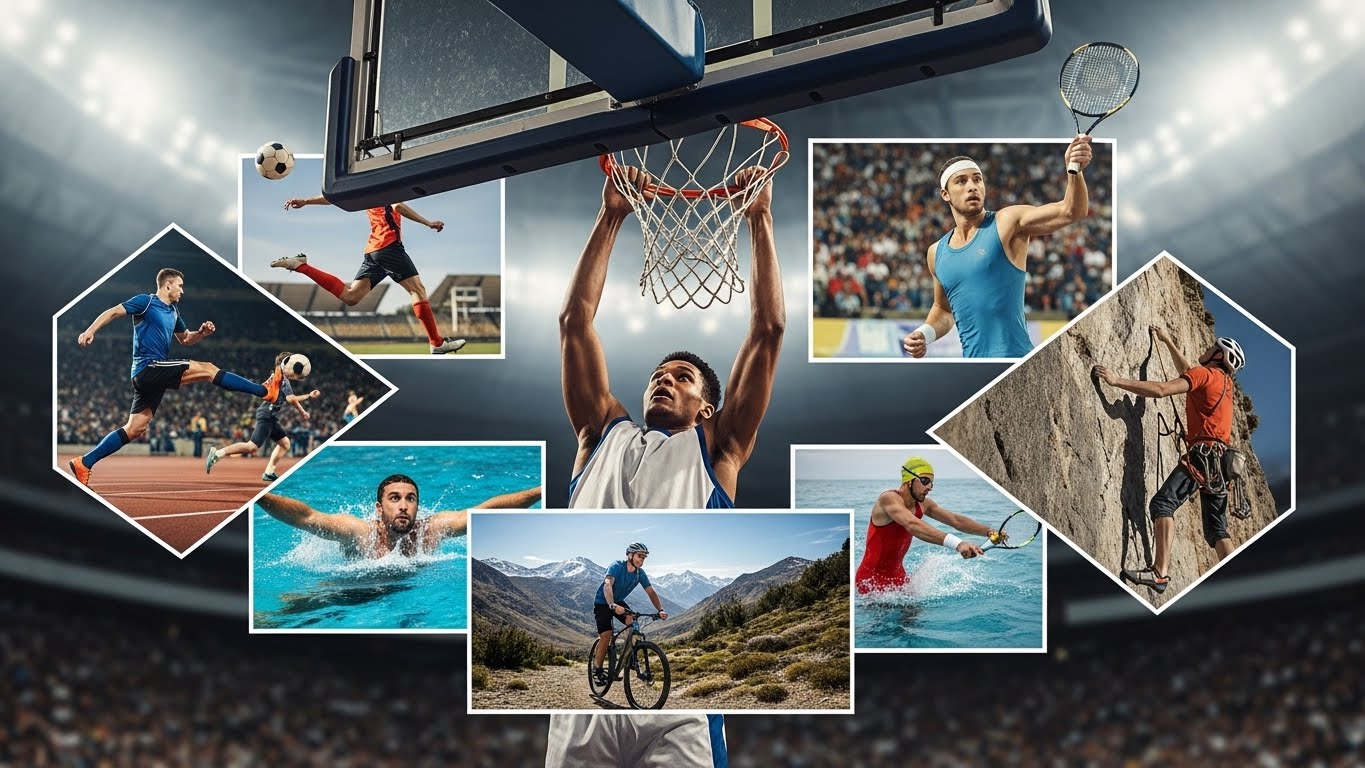
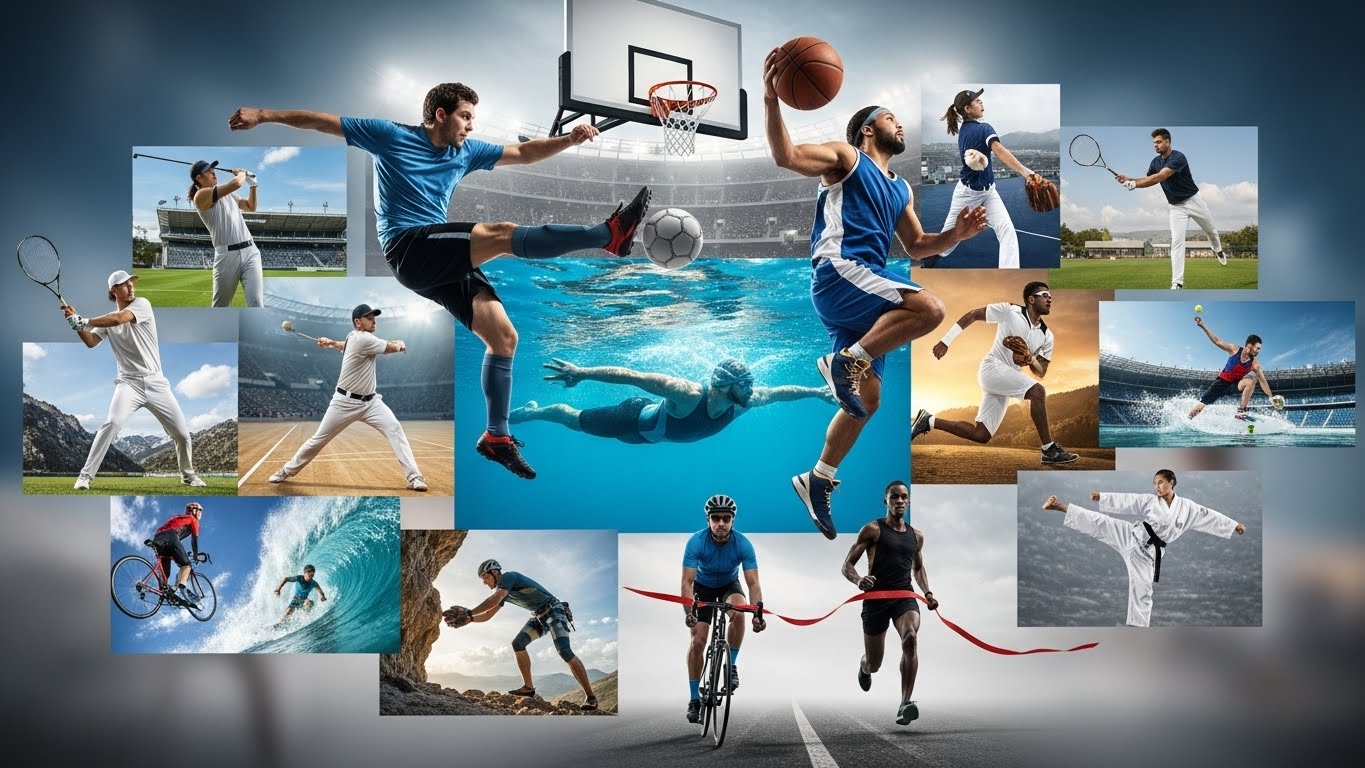
Sports have been an integral part of human culture for thousands of years. From ancient Olympic games in Greece to modern-day international tournaments, sports have consistently transcended borders, languages, and cultures. While many people view sports as a form of entertainment, its impact stretches far beyond the playing field. It influences physical health, mental well-being, social connections, and even personal development. In this blog, we will explore how sports shape our lives in multifaceted ways, touching on health, teamwork, discipline, and cultural significance.
The Physical Benefits of Sports
At the most basic level, sports are an excellent way to maintain physical health. Engaging in regular physical activity strengthens muscles, improves cardiovascular fitness, and enhances flexibility and coordination. Whether it’s running, swimming, playing football, or practicing yoga, movement keeps the body in optimal condition.
One of the significant advantages of sports is the prevention of chronic illnesses. Regular physical activity reduces the risk of heart disease, diabetes, obesity, and even certain types of cancer. For children and adolescents, sports promote healthy growth and development, ensuring proper bone density and muscle strength. Moreover, adults benefit from sports as a means to counteract the effects of sedentary lifestyles. The human body is designed for movement, and sports provide an enjoyable way to fulfill this natural need.
Mental Health and Cognitive Benefits
Beyond physical fitness, sports have profound effects on mental health. Exercise stimulates the release of endorphins, often referred to as “feel-good” hormones. These hormones reduce stress, alleviate anxiety, and combat symptoms of depression. Regular participation in sports can provide a natural mood boost and improve overall emotional resilience.
Cognitive benefits are equally significant. Sports often require strategic thinking, quick decision-making, and concentration. Games like chess, basketball, and tennis demand mental agility in addition to physical prowess. Young athletes, in particular, develop improved problem-solving skills and heightened attention spans, which can translate into academic and professional success later in life.
Discipline and Personal Development
One of the most undervalued aspects of sports is its role in instilling discipline. Consistent training, adherence to rules, and commitment to improvement teach valuable life lessons. Athletes learn the importance of setting goals, managing time effectively, and persevering through challenges.
The concept of failure is also integral to sports. Losing a match or underperforming in a game offers a safe environment to experience setbacks. Through sports, individuals learn resilience, humility, and the ability to bounce back stronger. These qualities extend far beyond athletics and contribute to personal and professional growth.
Teamwork and Social Skills
Sports are often a collective endeavor, emphasizing the importance of teamwork. Whether on a soccer field, basketball court, or relay track, athletes must collaborate effectively to achieve a common objective. This dynamic fosters communication, empathy, and leadership skills.
Social interactions in sports also build a sense of community. Teammates often become lifelong friends, sharing experiences of triumphs and defeats. Even in individual sports like tennis or swimming, the camaraderie among competitors and coaches enhances social engagement. Learning to work within a team while balancing personal performance is a crucial skill applicable in careers, families, and social groups.
Sports as a Cultural Phenomenon
Sports are more than physical activity; they are a cultural phenomenon that unites people across the globe. Events like the World Cup, the Olympics, and major tennis tournaments capture the attention of millions, creating a shared experience that transcends nationality, language, and ideology.
Different countries have unique sporting traditions that reflect their history and values. For instance, cricket holds a sacred place in countries like India, Pakistan, and England, while basketball thrives in the United States. These cultural associations contribute to national pride and identity. Sports also serve as a platform for social change, raising awareness on issues like gender equality, racial justice, and environmental sustainability.
The Role of Sports in Education
Educational institutions recognize the importance of sports in shaping well-rounded individuals. School and college-level competitions encourage students to balance academics with physical activity. Participation in sports often improves time management, discipline, and interpersonal skills among students.
Furthermore, scholarships and career opportunities in sports provide avenues for young talent to achieve professional success. Beyond professional aspirations, involvement in sports instills values that contribute to academic perseverance and holistic development.
Economic and Professional Impact
Sports also play a significant role in the economy. From local clubs to global tournaments, sports generate employment, tourism, and commercial opportunities. Professional athletes, coaches, referees, and support staff contribute to a vast ecosystem that drives economic growth. Merchandise, ticket sales, broadcasting rights, and sponsorships create revenue streams that impact local and global markets.
Additionally, sports inspire entrepreneurship and innovation. Advances in sports technology, equipment, and training methods enhance performance and safety. This continuous development benefits both professional and amateur athletes, further reinforcing the importance of sports in modern society.
Inclusion and Accessibility in Sports
Sports have the power to break down barriers and promote inclusivity. Adaptive sports for people with disabilities, women’s leagues, and community programs ensure that everyone can participate, regardless of ability, gender, or socioeconomic status. This inclusivity fosters empathy, understanding, and a more equitable society.
Global initiatives encourage access to sports in underprivileged areas, providing opportunities for youth to engage in healthy activities. Such programs not only improve physical health but also instill confidence, ambition, and social responsibility.
The Psychological Edge in Competitive Sports
Competitive sports offer a unique psychological dimension. Athletes must master focus, mental endurance, and stress management to perform at their best. Visualization techniques, meditation, and sports psychology play crucial roles in enhancing performance. The mental toughness developed through sports is applicable to various real-life scenarios, including professional challenges, personal relationships, and high-pressure situations.
The thrill of competition also cultivates motivation and ambition. Striving to beat personal bests or achieve new milestones encourages continuous self-improvement, reinforcing a mindset of lifelong growth.
The Global Influence of Sports
Sports have a unifying influence that extends beyond local communities. International competitions foster cultural exchange, diplomacy, and global cooperation. Athletes often become ambassadors of peace, representing their countries with dignity and promoting mutual respect.
Moreover, sports inspire movements and trends that influence society. Fashion, media, and popular culture often draw from athletic icons and events, shaping how people perceive physical fitness, health, and lifestyle choices.
Technology and Innovation in Sports
The integration of technology in sports has transformed training, performance analysis, and audience engagement. Wearable devices track heart rates, steps, and fatigue levels, enabling athletes to optimize performance and prevent injuries. Video analysis and AI-driven tools help refine techniques and strategies, making sports more precise and competitive.
For fans, technology enhances the experience through live streaming, virtual reality, and interactive platforms. This digital transformation ensures that sports continue to evolve, remain relevant, and reach wider audiences globally.
Sports as a Lifelong Pursuit
While many people associate sports with youth, athletic engagement is valuable at every stage of life. Adults and seniors benefit from recreational sports, improving cardiovascular health, maintaining mobility, and promoting social interaction. Lifelong participation in sports contributes to longevity, mental sharpness, and overall well-being.
Even casual involvement, such as jogging, cycling, or playing badminton, can create meaningful routines and enhance quality of life. Sports teach lessons that remain relevant throughout life, from teamwork to resilience, ensuring that the power of play is never lost.
Conclusion: The Enduring Legacy of Sports
Sports are far more than a pastime or entertainment; they are a powerful force that shapes physical, mental, and social dimensions of life. Through discipline, teamwork, and perseverance, individuals gain skills that extend beyond the field. Sports foster health, cultural identity, inclusivity, and economic growth, proving their enduring significance across generations.
In a world increasingly driven by technology and digital interaction, sports remind us of the human need for movement, connection, and challenge. They inspire us to push boundaries, achieve goals, and celebrate the shared joys of competition and cooperation. Whether played professionally or recreationally, sports remain a cornerstone of human experience, offering lessons, excitement, and fulfillment that last a lifetime.