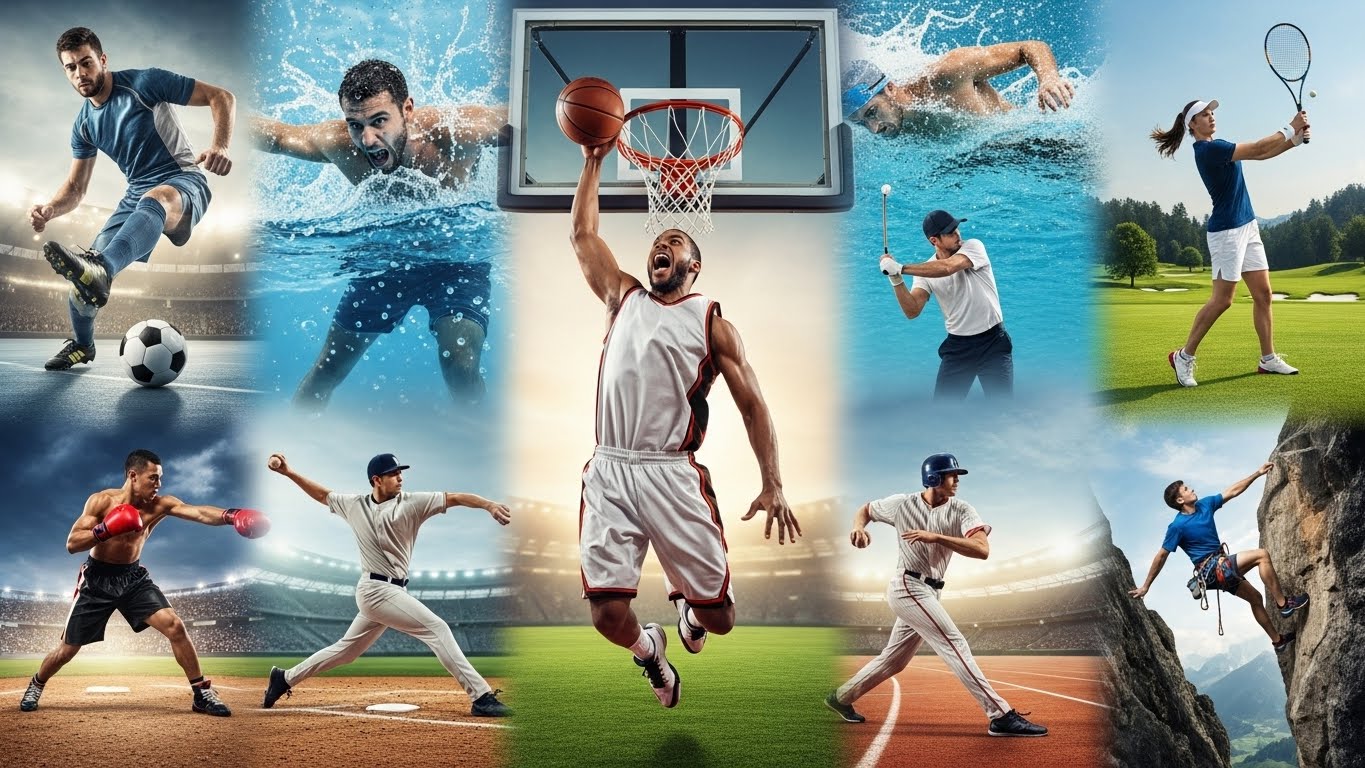

Introduction: Why Sports Matter
Sports have been an integral part of human civilization for centuries. From the ancient Olympic Games in Greece to the modern spectacles that captivate millions of viewers today, sports have a universal appeal. They transcend cultural, linguistic, and geographic barriers, uniting people through shared excitement, admiration, and inspiration. Beyond mere entertainment, sports play a crucial role in shaping individuals, communities, and even nations. They foster discipline, resilience, teamwork, and strategic thinking, qualities that extend far beyond the playing field.
The Physical Benefits of Sports
One of the most evident advantages of engaging in sports is the improvement of physical health. Regular participation in physical activity strengthens the cardiovascular system, improves muscle tone, enhances flexibility, and boosts overall stamina. Sports like swimming, soccer, and athletics demand intense physical exertion, which not only helps maintain a healthy weight but also reduces the risk of chronic illnesses such as heart disease, diabetes, and hypertension.
Additionally, sports contribute to better coordination and motor skills. Activities like tennis, basketball, and gymnastics require precise timing, agility, and hand-eye coordination. The physical training involved in these sports not only benefits professional athletes but also improves daily life activities, making people more agile, responsive, and physically capable.
The Mental Benefits of Sports
While the physical advantages of sports are clear, the psychological impact is equally significant. Engaging in sports has been shown to reduce stress levels, improve mood, and enhance mental clarity. Exercise triggers the release of endorphins, often referred to as “feel-good” hormones, which naturally elevate mood and combat anxiety and depression.
Sports also cultivate mental toughness. Athletes learn to overcome setbacks, cope with failure, and persist in the face of challenges. Competitive sports, in particular, teach individuals how to handle pressure, make quick decisions, and maintain focus under stress. These mental skills often translate to other areas of life, including academics, careers, and personal relationships.
Team Sports: Collaboration and Camaraderie
Team sports such as football, basketball, and volleyball emphasize collaboration and collective effort. Success in these sports is rarely the result of individual talent alone; it requires seamless communication, trust, and understanding among teammates. Team sports teach invaluable lessons about leadership, cooperation, and empathy. Players learn to appreciate the strengths of others, support teammates through difficulties, and celebrate collective achievements.
Beyond the field, team sports foster strong social bonds. Lifelong friendships often emerge from shared experiences, rigorous training sessions, and memorable victories. In this way, sports create a sense of belonging and community, offering both emotional support and social engagement.
Individual Sports: Self-Discipline and Personal Growth
While team sports focus on collaboration, individual sports such as tennis, swimming, gymnastics, and track events emphasize self-discipline and personal accountability. Athletes in these disciplines bear full responsibility for their performance. Success is a direct reflection of dedication, hard work, and resilience. This cultivates a sense of independence and self-confidence, as athletes learn to set goals, develop routines, and push their own limits.
Individual sports also encourage introspection and mental fortitude. Athletes must constantly assess their performance, recognize areas for improvement, and strategize for future competitions. These skills foster a growth mindset, instilling the belief that consistent effort and perseverance can lead to success.
The Role of Coaches and Mentors
Behind every successful athlete is a coach or mentor who guides, motivates, and challenges them to achieve their full potential. Coaches provide not only technical instruction but also emotional support and strategic insight. They help athletes navigate the complexities of training, competition, and mental preparation. A good coach inspires confidence, nurtures talent, and instills discipline, shaping not just athletes but also well-rounded individuals.
Mentorship in sports extends beyond professional athletes. Young players benefit immensely from the guidance of experienced coaches, learning the values of sportsmanship, perseverance, and ethical conduct. This guidance helps mold character, creating responsible and resilient individuals who carry these lessons into all aspects of life.
Sportsmanship and Ethics
Central to the spirit of sports is the concept of sportsmanship. Fair play, respect for opponents, humility in victory, and grace in defeat are fundamental principles that define ethical participation in sports. Sportsmanship teaches athletes to value integrity over victory, fostering a culture of mutual respect and ethical conduct.
Ethics in sports are not limited to personal behavior but also include adherence to rules, avoidance of performance-enhancing drugs, and respect for the environment. Maintaining ethical standards ensures that sports remain a positive, inspiring, and safe endeavor for everyone involved.
Iconic Sports and Global Appeal
Certain sports have achieved worldwide recognition due to their excitement, competitiveness, and cultural significance. Football (soccer) is arguably the most popular sport globally, with millions of fans passionately following leagues, tournaments, and international competitions. Its simplicity and accessibility allow anyone, regardless of age or background, to participate and enjoy the game.
Basketball, tennis, and cricket also enjoy immense popularity in various regions. Each sport has its own unique style, culture, and history, contributing to its widespread appeal. Iconic athletes like Serena Williams, Lionel Messi, Michael Jordan, and Usain Bolt have transcended their respective sports, becoming symbols of excellence, determination, and inspiration.
Sports and Technology
Technology has revolutionized the world of sports, enhancing both performance and viewing experiences. Innovations such as wearable fitness trackers, advanced training equipment, and video analysis tools allow athletes to monitor and improve their performance with precision. Coaches can assess player movements, identify weaknesses, and develop targeted strategies.
For spectators, technology has transformed the way sports are consumed. High-definition broadcasts, instant replays, virtual reality experiences, and online streaming bring fans closer to the action, creating a more immersive and engaging experience. Social media platforms also allow athletes to connect with fans directly, building global communities around their sport.
Youth Participation in Sports
Encouraging young people to participate in sports is vital for their overall development. Early involvement in physical activity promotes healthy habits, builds confidence, and teaches valuable life skills. Schools and community programs play a crucial role in providing opportunities for children to engage in diverse sports, fostering curiosity and exploration.
Youth sports also cultivate resilience and adaptability. Children learn to handle competition, overcome setbacks, and navigate social dynamics within teams. These experiences lay a foundation for lifelong personal growth and a love for physical activity.
Women in Sports
The rise of women’s sports has transformed the athletic landscape, challenging stereotypes and breaking barriers. Female athletes have demonstrated extraordinary talent, determination, and leadership, inspiring generations worldwide. Sports such as soccer, cricket, tennis, and athletics have seen significant participation and viewership among women, contributing to greater gender equality in sports.
Supporting women in sports requires investment, recognition, and visibility. Equal opportunities, fair compensation, and media coverage empower female athletes to excel and inspire. The achievements of women in sports not only challenge traditional norms but also encourage young girls to pursue their passions with confidence and ambition.
The Economics of Sports
Sports have a profound economic impact, driving industries such as tourism, media, merchandising, and event management. Major sporting events like the Olympics, World Cups, and international leagues generate billions of dollars, creating jobs and stimulating local economies. Sponsorships, broadcasting rights, and merchandise sales contribute significantly to the financial ecosystem of sports.
At the grassroots level, sports facilities, equipment, and training programs create opportunities for local businesses and communities. The economic benefits of sports extend beyond entertainment, influencing education, infrastructure development, and social welfare initiatives.
Sports as a Tool for Social Change
Sports have the power to drive social change and promote inclusivity. Initiatives that leverage sports for community development address issues such as poverty, inequality, and health awareness. Programs that engage underprivileged youth in sports foster discipline, mentorship, and hope, providing alternatives to negative influences.
Moreover, sports can promote peace and diplomacy. International competitions bring together diverse nations, encouraging mutual respect, cultural exchange, and understanding. The unifying nature of sports highlights shared human values and fosters global solidarity.
Legendary Athletes and Their Legacy
Throughout history, athletes have become legends not only for their physical prowess but also for their character and impact. Figures like Muhammad Ali, Pelé, Nadia Comăneci, and Jackie Joyner-Kersee have inspired millions through their achievements, resilience, and humanitarian efforts. Their stories remind us that sports are about more than medals and records—they are about courage, determination, and the pursuit of excellence.
These legends leave behind a legacy that shapes future generations, setting benchmarks for performance, ethics, and dedication. Their influence extends beyond the playing field, inspiring societal change and motivating individuals to strive for greatness.
The Future of Sports
The future of sports promises continued innovation, inclusivity, and global reach. Emerging technologies such as artificial intelligence, virtual reality, and data analytics will transform training, performance analysis, and fan engagement. Sports are likely to become more personalized, with tailored programs for athletes and immersive experiences for spectators.
Inclusivity will also play a significant role in shaping the future of sports. Adaptive sports for individuals with disabilities, initiatives to promote gender equality, and programs encouraging participation from diverse communities will ensure that sports remain accessible and empowering for all.
Conclusion: The Enduring Spirit of Sports
Sports are more than games; they are a reflection of human potential, ambition, and resilience. They inspire, unite, and challenge us, teaching lessons that extend far beyond the playing field. From the exhilaration of competition to the joy of participation, sports enrich our lives physically, mentally, and socially.
Whether one is a professional athlete, a weekend enthusiast, or a passionate fan, the world of sports offers endless opportunities for growth, connection, and inspiration. In celebrating sports, we celebrate the very essence of human spirit—determined, passionate, and ever striving for excellence.