
Introduction: The Universal Language of Sports
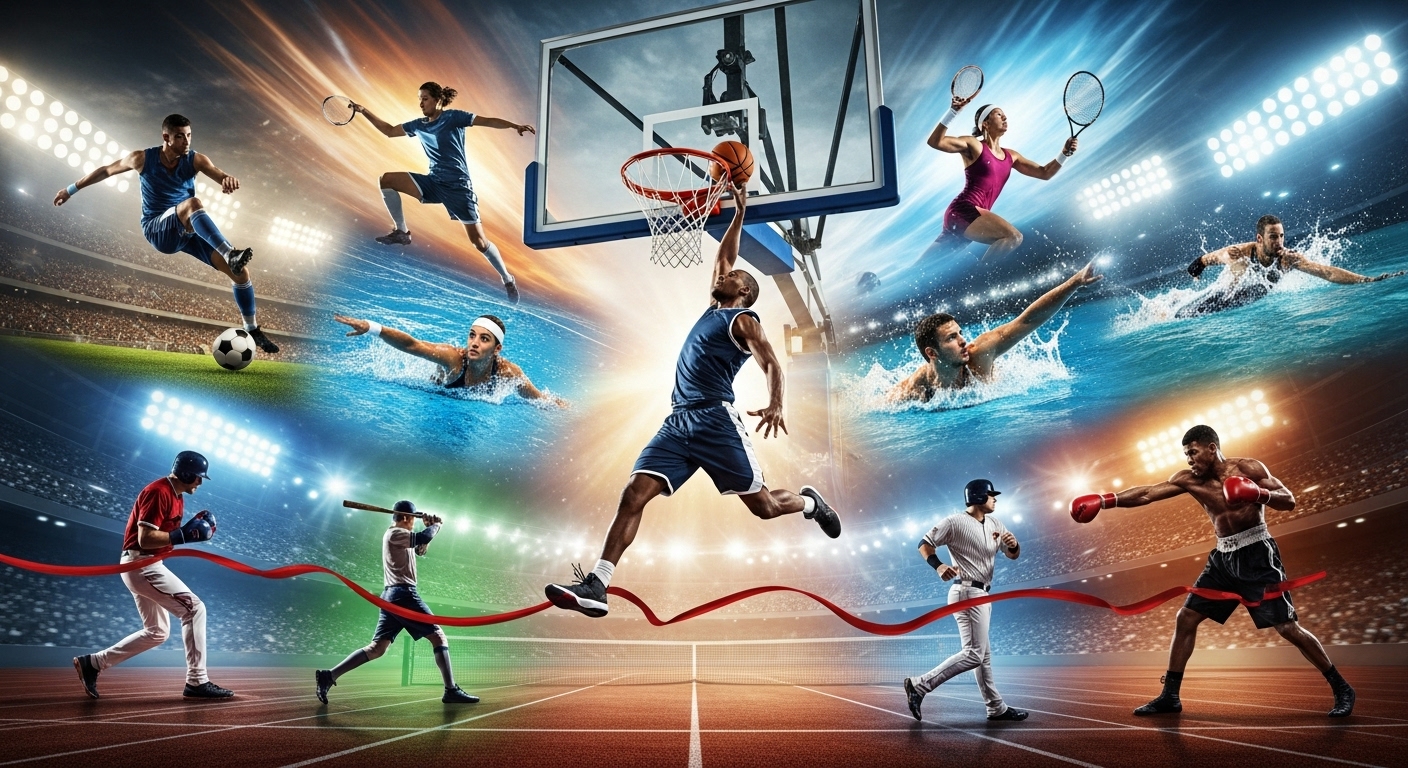
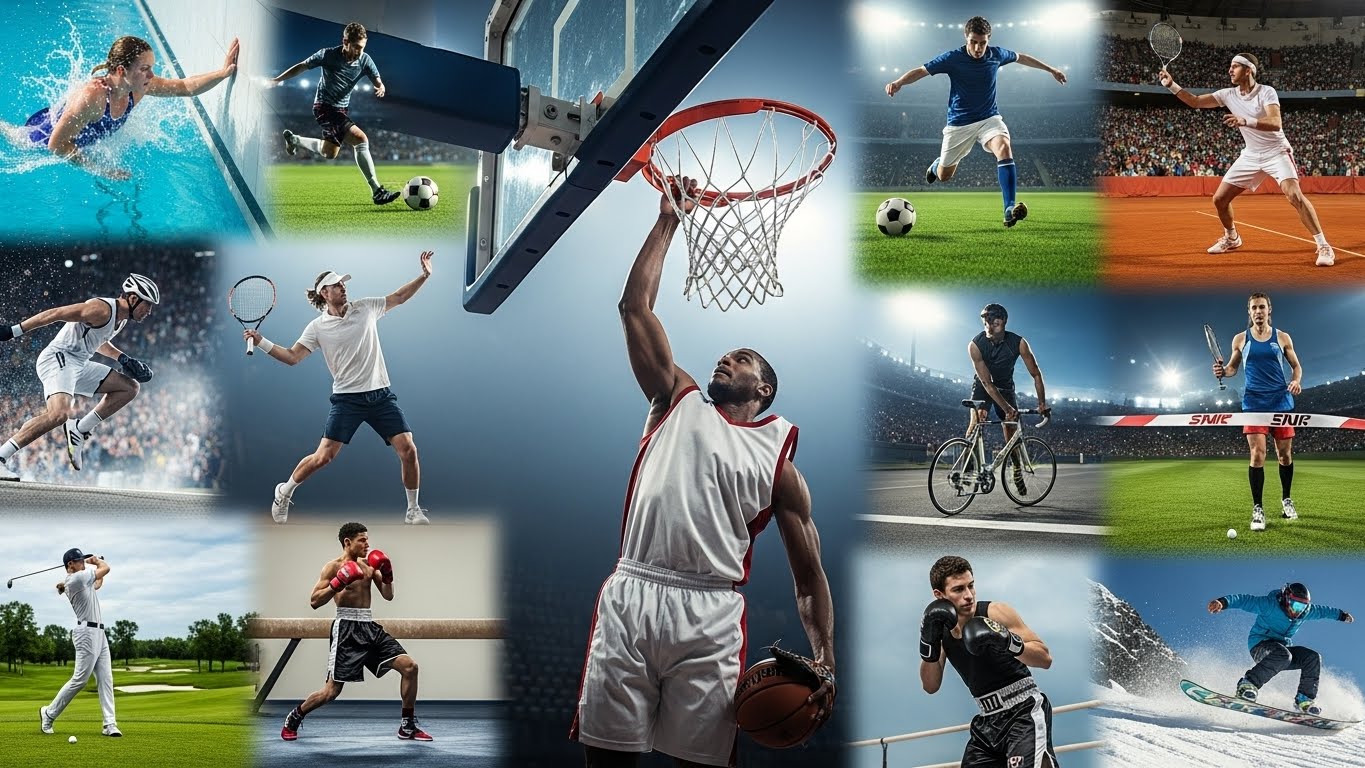
Sports have always been more than just games played for entertainment. They are a reflection of human history, culture, and values. Whether it’s the sheer joy of a child kicking a ball for the first time or the intensity of the Olympics, sports serve as a powerful medium for expressing talent, passion, and perseverance. They bring people together across continents, creating bonds that are not defined by borders, but by shared experiences. This blog explores the multifaceted world of sports and their profound impact on individuals, societies, and the world at large.
The Deep Roots of Sports: From Ancient Beginnings to Modern Marvels
While sports have become a global industry today, their origins date back to the very beginnings of civilization. Ancient civilizations such as the Greeks, Egyptians, and Chinese had their own forms of athletic contests. The ancient Olympic Games in Greece were the first organized sports competition, held every four years to honor the gods. The events were a mix of physical prowess and spirituality, a testament to the early connection between body and spirit.
In Egypt, athletic events were often part of religious ceremonies, where individuals competed in honor of the gods. These early sports were not about entertainment as we know it today but were deeply rooted in culture and spiritual beliefs. The evolution of these early practices paved the way for the organized, professional sports leagues that we see today.
The Global Growth of Modern Sports
The real transformation of sports came during the Industrial Revolution in the 19th century, where the development of modern transportation, communication, and infrastructure allowed sports to spread globally. The invention of football, the creation of tennis, and the formalization of cricket were just some of the many milestones that made sports more accessible to a wider audience.
By the early 20th century, organized competitions such as the FIFA World Cup and the Olympic Games had become major international events. These competitions not only showcased athletic excellence but also fostered a sense of global unity. The world came together every four years to witness the spectacle of the Olympic Games, where countries set aside their differences and celebrated human achievement on a shared stage.
The Social Impact of Sports: More Than Just a Game
While the thrill of the game often steals the spotlight, sports have always had a more profound effect on society. They serve as an essential tool for socialization, personal development, and cultural exchange. In many parts of the world, sports have been a vehicle for creating a sense of national pride and identity. Whether it’s Brazil’s passion for football or India’s love for cricket, sports help create a shared cultural narrative that binds individuals together.
Beyond national pride, sports are also instrumental in promoting social change. Athletes such as Muhammad Ali, Jackie Robinson, and Serena Williams have used their platforms to address issues of race, equality, and gender, becoming symbols of resilience and activism. The fight for equal pay for women in sports, the push for racial equality, and the rise of movements like Black Lives Matter have all been amplified through sports.
The Psychological and Physical Benefits of Sports
Sports have a direct impact on both mental and physical health, making them essential for a balanced lifestyle. On a physical level, engaging in sports helps improve cardiovascular health, build strength, and maintain an active lifestyle. Regular participation in sports reduces the risk of chronic illnesses like diabetes, hypertension, and obesity, contributing to a longer, healthier life.
Mentally, sports have been shown to reduce stress, improve mood, and boost self-esteem. The discipline and focus required to excel in sports translate into other areas of life, teaching valuable life skills such as teamwork, perseverance, and goal-setting. Whether it’s the joy of victory or the lessons learned from defeat, sports offer opportunities for personal growth and mental resilience.
The Rise of Technology in Sports: A New Frontier
The integration of technology in sports has opened up new dimensions of performance, training, and viewing experiences. From the use of VAR (Video Assistant Referee) in football to the development of high-tech equipment for athletes, technology is making a significant impact on the way sports are played and perceived. Advances in data analytics, wearable technology, and VR simulations are helping athletes train smarter, recover faster, and perform better.
Technology has also transformed the fan experience. With the rise of streaming services, virtual reality, and interactive apps, fans can now engage with their favorite teams and athletes in ways that were once unimaginable. The future of sports viewing is set to be even more immersive, with augmented reality providing live updates, statistics, and player insights in real-time.
Sports as a Platform for Inclusivity
As the world becomes more aware of the need for inclusivity, sports have played a crucial role in ensuring that everyone has a place to compete, regardless of their background, gender, or physical ability. The rise of women’s sports has been one of the most significant developments in recent decades. Athletes like Megan Rapinoe and Simone Biles have not only excelled in their respective fields but have also advocated for equal rights and opportunities for women in sports.
Adaptive sports for athletes with disabilities, such as the Paralympic Games, have provided a platform for individuals to showcase their abilities and break down societal barriers. These events prove that sports are not just for the able-bodied but are an arena where every individual can shine, regardless of their challenges.
Conclusion: The Enduring Power of Sports
Sports are far more than competitions for a trophy. They are an integral part of human culture, representing our shared struggles, triumphs, and aspirations. Whether played on a local field or a global stage, sports continue to inspire, unite, and transform individuals and societies. They provide us with the hope of victory, the lessons of defeat, and, most importantly, the understanding that, in the world of sports, we are all part of a larger, connected community.
In an ever-changing world, sports offer a timeless reminder of the universal human spirit. No matter where we come from or where we are headed, the love for the game unites us all in a shared journey of passion, perseverance, and potential.