
Introduction: The Universal Power of Sports
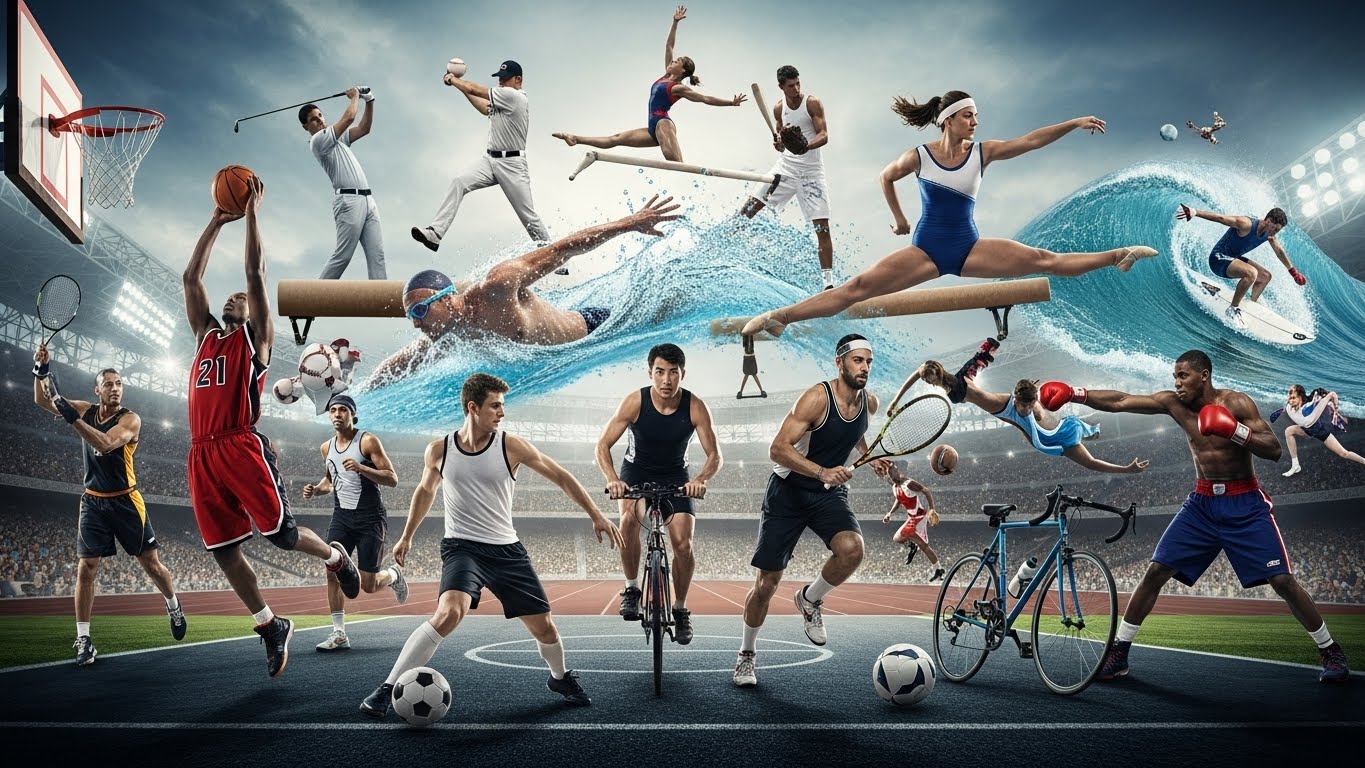
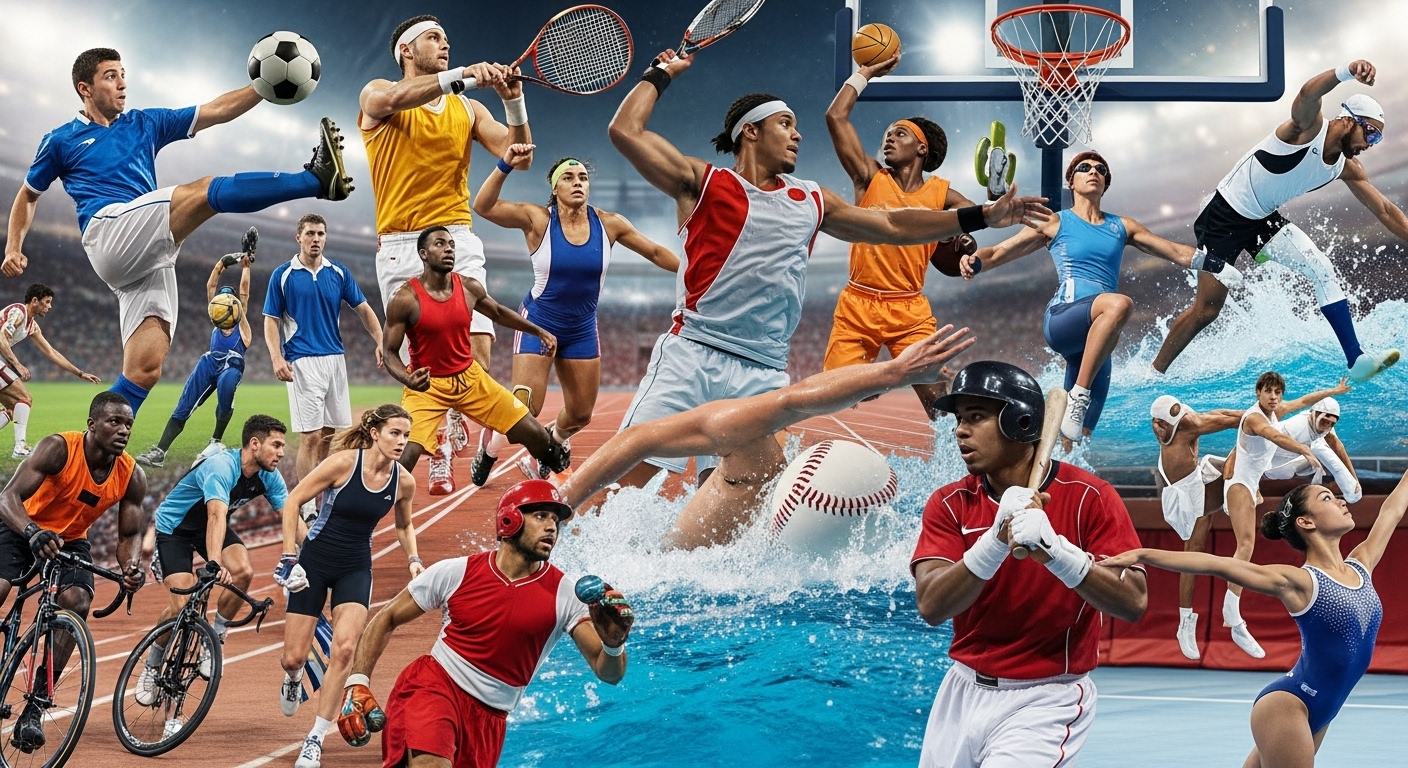
Sports have an incredible ability to transcend cultural, geographical, and social barriers, acting as a universal language understood by people all over the world. The excitement of a goal scored, the tension of a final set, or the thrill of an underdog victory all unite people in ways that few other aspects of life can. Whether you’re playing in a local neighborhood match or watching your favorite team compete on the global stage, sports offer a sense of belonging, excitement, and unity.
This blog post delves into the many facets of sports, examining their significance, both as a form of entertainment and as a powerful force for social, emotional, and physical development. From the history of sports to their influence on society and individual lives, sports are a cornerstone of human culture that will continue to shape our collective future.
The History of Sports: From Ancient Rituals to Modern Entertainment
The history of sports stretches back to the earliest civilizations. Long before modern-day football or basketball, ancient societies engaged in various forms of physical contests. In ancient Greece, the Olympic Games were held every four years, starting in 776 BCE, and were initially designed as a religious festival to honor the gods. These early Olympic Games were some of the first organized sports events that attracted participants and spectators from all over the Greek world.
Other ancient civilizations also practiced their own versions of sports. In Egypt, chariot races were a form of entertainment and competition, while the Romans are famous for their gladiatorial combat and grand spectacles. Across the world, from China to Mesoamerica, physical contests were seen as vital to social and cultural life.
Over time, these primitive forms of sport began to evolve into more structured and organized competitions. By the 19th century, the industrial revolution had brought about the need for more standardized rules, creating the framework for modern sports. The advent of organized leagues, formal rules, and widespread media coverage has propelled sports into the global phenomena we know today, with events like the FIFA World Cup, the Olympic Games, and the Super Bowl attracting millions of viewers worldwide.
The Impact of Sports on Personal Well-being
The benefits of sports extend far beyond just entertainment. Physical activity plays a crucial role in maintaining and improving health. Participating in sports helps strengthen muscles, improve cardiovascular health, and build endurance. For many, engaging in sports is not just about competing—it’s about maintaining an active lifestyle that reduces the risk of chronic diseases such as diabetes, obesity, and hypertension.
Sports are also known to have significant psychological benefits. Physical exercise releases endorphins, which are chemicals in the brain that act as natural mood elevators. For those suffering from stress, anxiety, or depression, playing sports can be a therapeutic outlet. Whether it’s running, swimming, or playing tennis, sports provide a way to relieve tension, clear the mind, and focus on something positive.
Mental health benefits go beyond just the physical act of playing sports. The social aspect of participating in a team or community sport provides individuals with a sense of belonging and support. Whether it’s the camaraderie of teammates, the encouragement of coaches, or the friendships that develop on the field, sports offer a sense of community that can improve self-esteem and provide emotional stability.
Sports as a Social Catalyst: Bringing People Together
One of the most powerful aspects of sports is their ability to unite people. Whether it’s a local soccer game between friends or a national team competing on the world stage, sports have a unique power to bring people together, fostering a sense of unity and community. A single game can create bonds between strangers and inspire deep, lasting connections.
International sporting events, such as the FIFA World Cup or the Olympics, are prime examples of how sports unite people from different cultures, backgrounds, and nationalities. These events become more than just competitions—they are celebrations of shared human experience. The joy of seeing a national team win a gold medal or witnessing a runner break a world record can create a sense of pride and togetherness that transcends borders.
Moreover, sports offer a way to overcome social and cultural divides. For example, the integration of African-American athletes into Major League Baseball in the 1940s helped break racial barriers and sparked broader social change in the United States. Athletes like Jackie Robinson, Muhammad Ali, and Serena Williams have used their platforms to promote equality, raise awareness about racial injustices, and challenge societal norms.
The Role of Women in Sports: Paving the Way for Equality
For much of history, women’s participation in sports was either limited or not taken seriously. However, over the past century, female athletes have fought for and earned their place in the world of sports. The path to equality has not been easy, but the achievements of women in sports have played a crucial role in challenging gender norms and pushing for greater equality in society.
The rise of women’s sports has been one of the most significant social changes in the past few decades. Events like the Women’s World Cup and the WNBA have attracted widespread attention, and female athletes are now celebrated for their skills and accomplishments. The success of athletes like Billie Jean King, who fought for equal pay in tennis, and the dominance of Serena Williams in tennis, has helped pave the way for future generations of female athletes.
Title IX, passed in the United States in 1972, was a landmark piece of legislation that banned discrimination on the basis of sex in educational institutions, including sports. As a result, more women were able to participate in school sports, and the rise of women’s professional sports leagues followed. While there is still work to be done in terms of equal pay and media coverage, the progress made so far demonstrates the growing importance of women in sports.
Sports and Youth Development: Building Character Through Play
For young people, sports can have a profound impact on their development. Playing sports teaches children important life skills such as teamwork, discipline, and resilience. It helps build character and provides a structured environment where children can develop social skills and learn how to deal with success and failure. The lessons learned on the field often translate into success in other areas of life, whether it’s academics, friendships, or career pursuits.
Beyond character-building, sports provide an important outlet for energy and creativity. Children who participate in sports are often more focused, have better time management skills, and are more likely to excel academically. The physical activity involved in sports helps improve concentration and cognitive function, making it easier for kids to succeed in school.
In many ways, sports are also a form of early education. Coaches and mentors not only teach children how to play a game but also instill values like respect, hard work, and perseverance. For kids who may not excel in traditional academic settings, sports provide an opportunity to shine and build self-confidence.
The Business of Sports: A Multi-Billion Dollar Industry
While sports began as a recreational activity, it has evolved into a multi-billion-dollar global industry. The commercialization of sports has brought about enormous growth in terms of revenue, sponsorship, and global viewership. Television networks, corporate sponsorships, merchandise sales, and ticket revenues all contribute to the vast economy surrounding sports.
Major sporting events like the Super Bowl, the World Cup, and the Olympics not only attract millions of viewers worldwide but also generate billions of dollars in revenue. For example, the 2018 FIFA World Cup had an estimated economic impact of $14 billion. This success has led to more investment in the sports industry, with cities and countries bidding for the rights to host major events and companies eager to sponsor athletes and teams.
While the business side of sports brings in significant revenue, it has also led to debates about the commercialization of the games themselves. Critics argue that the financial interests of corporations and television networks can sometimes overshadow the true spirit of sports, leading to a focus on profits rather than fair competition. Despite this, sports continue to thrive as both a form of entertainment and an essential driver of economic activity.
Sports in the Age of Technology: Innovation Changing the Game
Advancements in technology are transforming the world of sports in numerous ways. From training methods to spectator experiences, technology has revolutionized how sports are played, watched, and analyzed. Wearable devices, like fitness trackers and heart rate monitors, are helping athletes improve performance and reduce injuries by providing real-time data on their physical condition.
On the field, technologies like VAR (Video Assistant Referee) in soccer and Hawk-Eye in tennis have improved the accuracy of officiating, ensuring fairer outcomes. In training, virtual reality (VR) and augmented reality (AR) are providing athletes with immersive environments that simulate real game conditions. These innovations allow athletes to train smarter, safer, and more efficiently.
For spectators, the digital age has completely transformed how sports are consumed. Streaming platforms allow fans to watch games on demand, while interactive apps provide real-time statistics, player tracking, and fan engagement. Social media also plays a pivotal role in shaping sports culture, giving fans direct access to their favorite athletes and teams.
Conclusion: The Timeless Value of Sports
Sports have proven time and time again that they are much more than just games. They are powerful vehicles for personal growth, social change, and cultural exchange. They promote physical health, mental well-being, and foster unity among people from all walks of life. As technology continues to evolve and the business of sports expands, one thing remains certain—sports will always be an essential part of human nature. Whether as an outlet for competition, a platform for social change, or simply as a means to bring joy and entertainment, sports will continue to unite us all, offering a common ground for individuals to celebrate their passion, skill, and spirit.