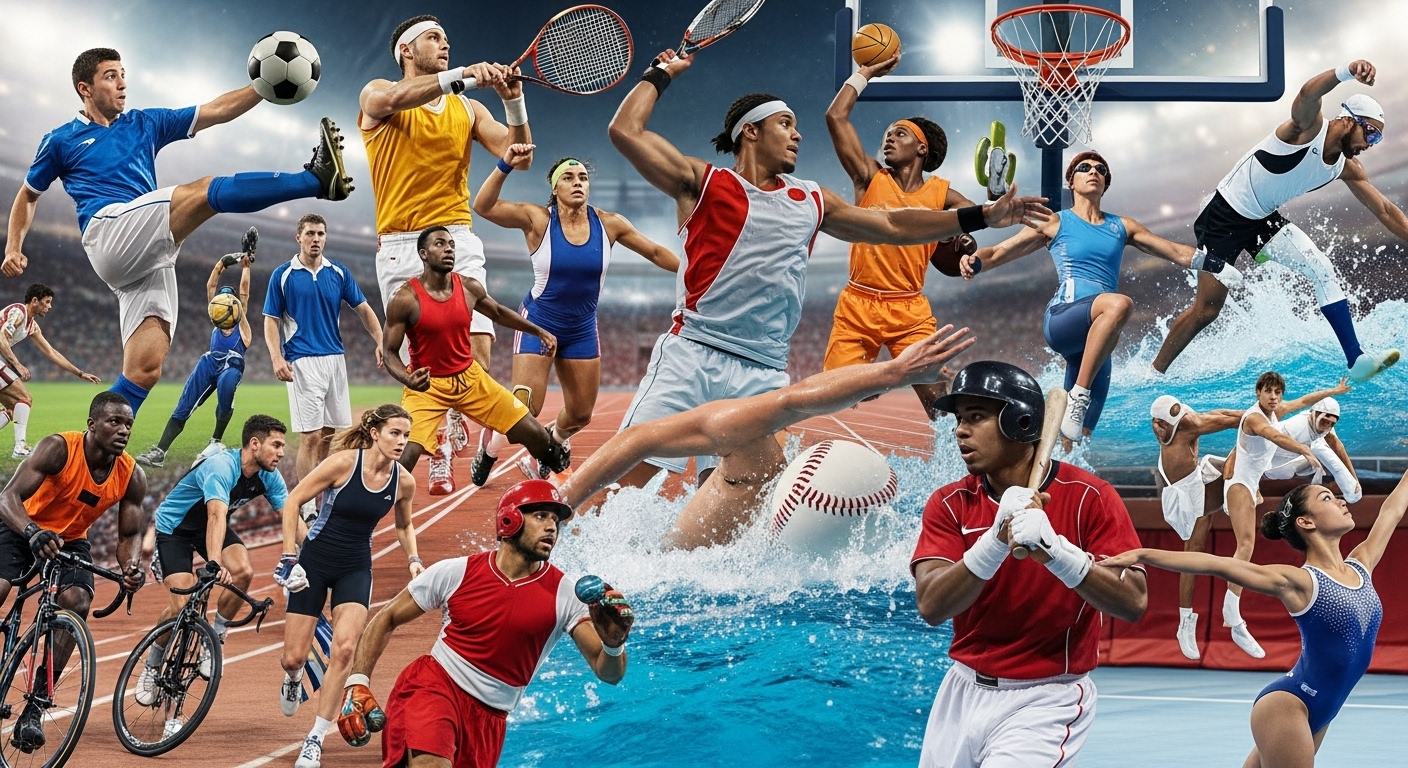

Sports have been an integral part of human life for centuries, shaping culture, fostering personal growth, and uniting communities across the globe. From informal neighborhood games to professional leagues, sports offer physical, mental, and social benefits that go far beyond the playing field. In this blog, we explore the history of sports, their role in society, psychological and health benefits, technological advancements, challenges, and the exciting future of athletics.
The Origins of Sports
Sports trace their roots back to ancient civilizations. From the athletic contests of ancient Greece to traditional tribal games in Africa and Asia, humans have long sought to challenge themselves physically and mentally. The first recorded Olympic Games in 776 BCE symbolized excellence, competition, and unity, and set the stage for organized sports that continue to inspire today.
Early sports served multiple purposes: training warriors, teaching teamwork, and celebrating festivals. Wrestling, running, archery, and chariot racing were not just entertainment—they were tools for developing skill, discipline, and courage. These foundational principles remain central to sports even in the modern era.
The Social Significance of Sports
Sports go beyond recreation; they shape social dynamics and cultural identity. Local leagues, school competitions, and international tournaments create shared experiences that unite people. Sporting events provide a sense of belonging, foster community spirit, and can even bridge political and cultural divides.
Major events such as the FIFA World Cup, the Olympics, and international cricket tournaments bring the world together, transcending language, geography, and socio-economic barriers. For fans and participants alike, sports are a medium for pride, identity, and collective celebration.
Evolution of Modern Sports
Modern sports as we know them emerged during the 19th and 20th centuries. Standardized rules, organized leagues, and professional athletes transformed sports from casual pastime into structured competitions. Football, basketball, cricket, and tennis became internationally recognized, attracting mass audiences and sponsorships.
Professionalization brought coaching, training facilities, and sports science, which greatly enhanced athletic performance. Sports became a business and an industry, contributing to media, entertainment, and global economies while continuing to inspire millions of participants worldwide.
Physical Benefits of Sports
The physical advantages of sports are extensive. Regular participation improves cardiovascular health, muscle strength, endurance, flexibility, and overall fitness. Athletes who maintain active lifestyles reduce the risk of obesity, diabetes, and other chronic diseases.
Sports also promote better posture, coordination, and reflexes. Engaging in different forms of exercise—from running and swimming to team sports like football or basketball—develops a balanced and resilient body capable of adapting to physical challenges.
Mental and Psychological Benefits
Sports also offer profound mental benefits. Participation enhances concentration, strategic thinking, and problem-solving skills. Athletes develop resilience and perseverance, learning to cope with setbacks, manage stress, and maintain focus under pressure.
Team sports foster communication, leadership, and collaboration skills, while individual sports cultivate self-discipline and personal responsibility. The sense of accomplishment gained from mastering a skill, winning a match, or achieving a personal best contributes to self-esteem and confidence.
Iconic Sports and Their Global Appeal
Certain sports have become global phenomena due to their accessibility, excitement, and cultural significance. Football (soccer) captivates billions, while basketball and cricket have significant followings in multiple continents. Athletics, tennis, and swimming attract millions of fans during international competitions.
These sports have produced legendary athletes whose influence extends beyond the field. Icons like Muhammad Ali, Serena Williams, Lionel Messi, and Usain Bolt inspire generations, embodying discipline, excellence, and determination. Their stories highlight the power of sports to shape society and culture.
Women in Sports
The participation of women in sports has grown significantly over the past century. Trailblazers such as Billie Jean King, Nadia Comăneci, and Serena Williams broke barriers and set new standards for excellence. Today, female athletes compete at the highest levels across virtually all sports.
Women’s sports empower individuals, challenge stereotypes, and promote inclusivity. Increased visibility encourages young girls to participate in athletics and demonstrates that talent and dedication are not limited by gender. Representation and equality in sports remain critical for fostering a more inclusive future.
Technology in Sports
Technology has revolutionized both performance and viewing experiences in sports. Wearable devices monitor biometrics, helping athletes optimize training and prevent injuries. Video analysis improves technique, while data analytics enhances strategy and game planning.
Broadcasting technology allows fans worldwide to follow live events in high definition. Virtual reality and augmented reality are emerging as tools to engage spectators and enhance immersive experiences. Technology continues to expand the boundaries of what is possible in sports.
Sports and Education
Sports are closely linked to education. Schools and colleges incorporate physical education programs to develop fitness, discipline, and teamwork. Organized competitions help identify talent and provide pathways to scholarships and professional opportunities.
Participation in sports teaches time management, goal-setting, and resilience—skills that extend beyond the field. Athletics reinforces the connection between physical activity, mental acuity, and academic performance, creating well-rounded individuals.
Social and Cultural Impact
Sports have the power to influence social behavior and culture. They promote fairness, teamwork, and respect while teaching players to handle both success and failure gracefully. Spectatorship unites communities and fosters social cohesion.
Major sporting events often reflect societal values and bring attention to social issues. Through sports, people engage with their communities, develop friendships, and participate in collective celebrations, highlighting the social significance of athletic endeavors.
Challenges Facing Sports
Despite its benefits, sports face challenges. Doping, corruption, and unethical practices threaten integrity. Commercialization can prioritize profits over player welfare and fair competition.
Athlete health is also a concern. High-impact sports carry injury risks, and mental health challenges are increasingly recognized as critical. Addressing these issues requires responsible policies, ethical oversight, and a focus on sustainable and inclusive practices.
Globalization of Sports
Sports have become a global phenomenon. International leagues and tournaments attract participants and fans from across the world. Globalization enhances cultural exchange, diplomacy, and international understanding.
Economic opportunities have also expanded through merchandising, sponsorships, tourism, and broadcasting rights. Sports are now a significant driver of both cultural influence and economic growth worldwide, showing their importance beyond entertainment alone.
The Future of Sports
The future of sports promises innovation, inclusivity, and sustainability. Advancements in technology will continue to improve performance, viewing experiences, and fan engagement. Virtual reality and augmented reality may revolutionize spectator participation, while artificial intelligence will enhance training and strategy.
Inclusion and diversity will remain essential. Opportunities for women, differently-abled athletes, and marginalized communities are expanding. Sustainability is becoming a focus, with eco-friendly stadiums, equipment, and tournaments reducing environmental impact. The next generation of sports will balance performance, ethics, and social responsibility.
Conclusion
Sports are far more than games. They entertain, inspire, and educate, shaping culture and connecting people worldwide. From ancient Olympic competitions to modern professional leagues, sports reflect human ambition, resilience, and creativity.
Participation improves physical and mental health, builds character, and teaches essential life skills. Spectatorship fosters community, cultural exchange, and shared identity. As technology, inclusivity, and globalization continue to shape the industry, the power of sports to influence and inspire will only grow.
Sports celebrate human potential. They remind us that success comes from effort, challenges are opportunities for growth, and competition can unite rather than divide. In every match, race, or game, sports continue to enrich lives, inspire dreams, and create a legacy for future generations.