Introduction: The Power of Sports in Our Lives
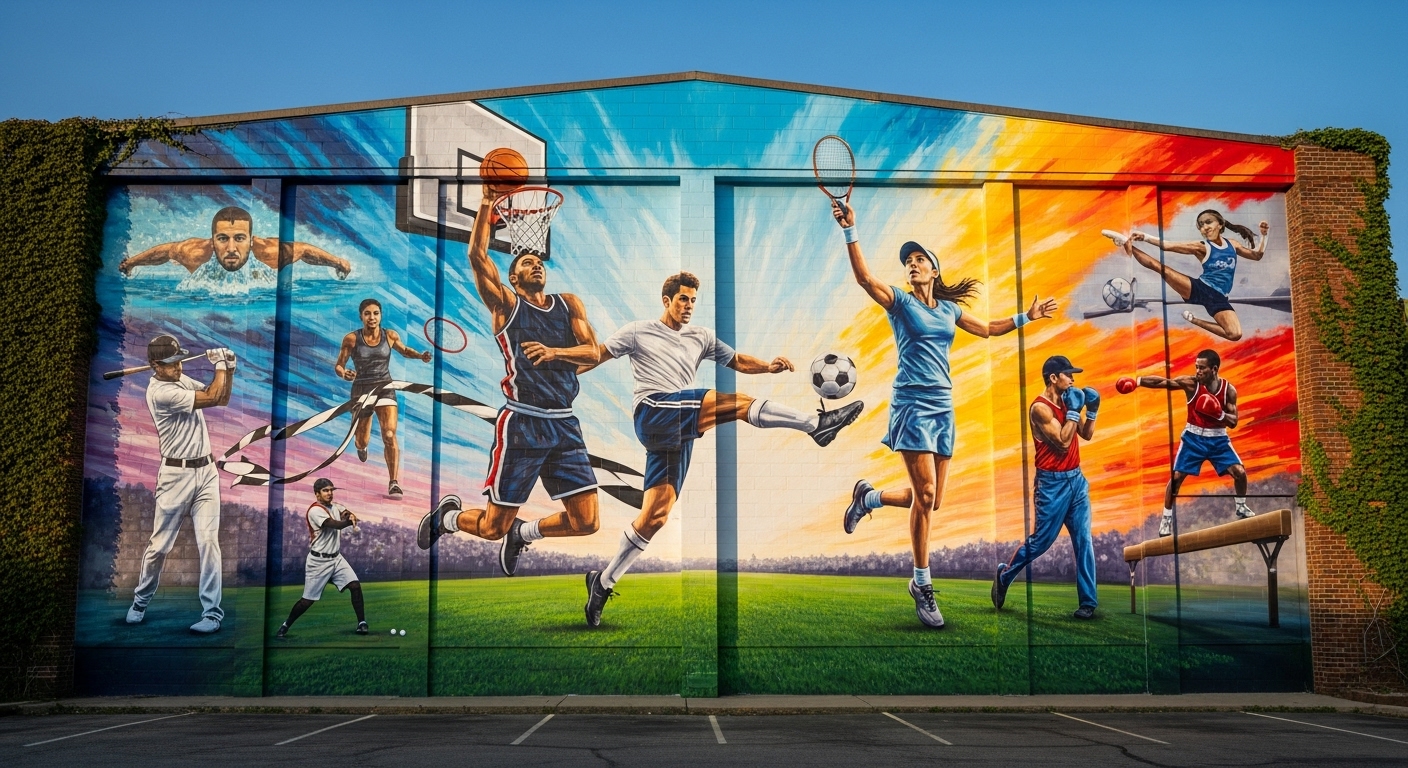
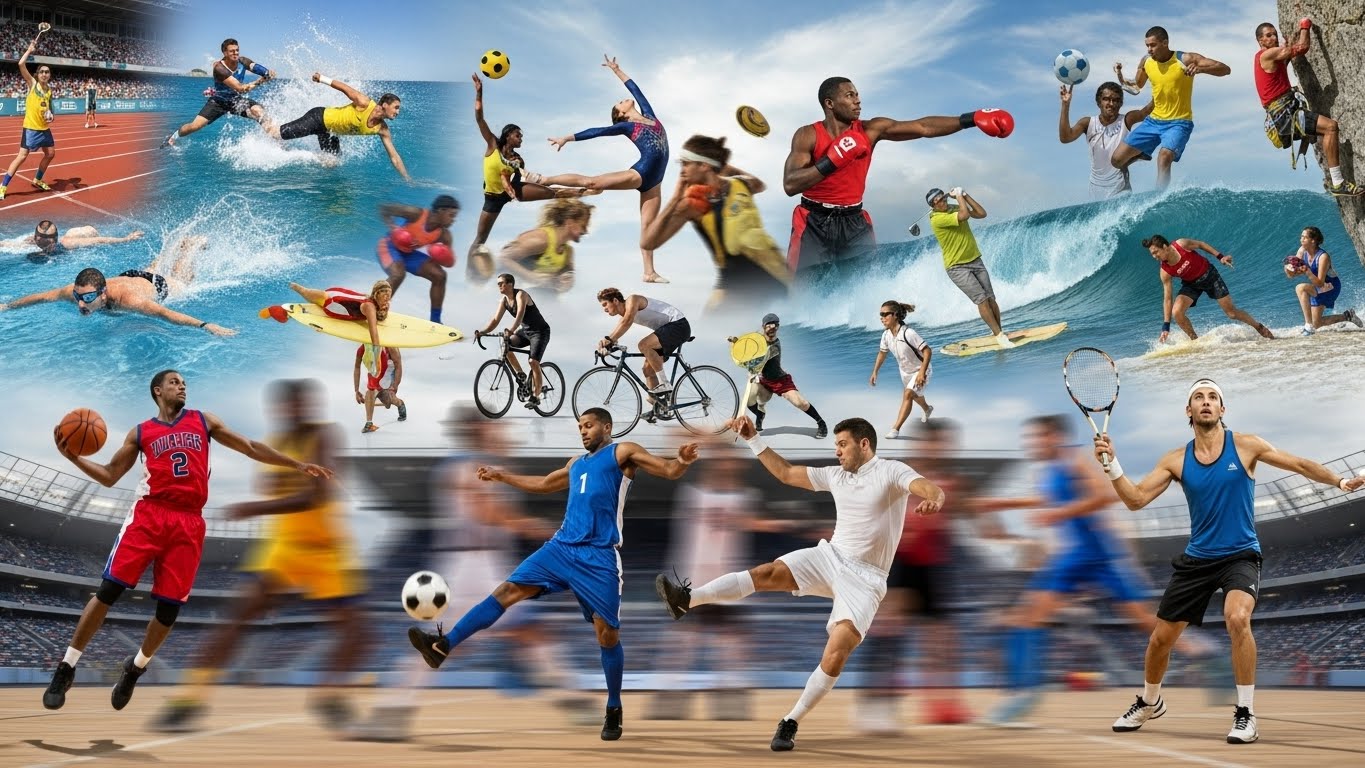
Sports are far more than competitions or entertainment; they are a reflection of human potential, discipline, and perseverance. For centuries, people have engaged in sports to test their limits, build community, and express their passion. Across cultures and continents, sports have a unifying power that transcends language, race, and background. They teach lessons that extend far beyond the playing field, influencing character, leadership, and resilience. In today’s world, sports continue to evolve, shaping the lives of athletes and fans alike in ways that were unimaginable in the past. This blog explores the multifaceted impact of sports, from personal development to global culture.
The Evolution of Modern Athletics
The concept of athletic training has transformed dramatically over time. Historically, athletes relied on basic physical routines and natural talent. While these methods produced champions, they lacked scientific precision. Today, sports training is a sophisticated blend of biomechanics, nutrition, and psychology. Athletes are guided by specialized coaches who analyze every movement, design personalized workouts, and monitor progress with advanced technology.
Training now emphasizes functional strength rather than sheer muscle mass. Sprinters focus on explosive speed and stride efficiency, swimmers refine stroke techniques, and football players develop agility and endurance tailored to their positions. Modern athletic programs integrate recovery strategies and injury prevention to ensure longevity in sports careers. This evolution has allowed athletes to achieve peak performance levels while minimizing risks, demonstrating that training smarter often surpasses training harder.
The Role of Mental Strength in Sports
Physical fitness is vital, but mental toughness often separates champions from competitors. Athletes face immense pressure from fans, media, and personal expectations. Coping with stress, maintaining focus, and staying motivated are essential for consistent performance.
Sports psychology has emerged as a critical field, providing athletes with strategies to manage anxiety, boost concentration, and maintain confidence. Visualization techniques allow athletes to mentally rehearse performances, while mindfulness practices help them stay present under pressure. Emotional resilience not only improves performance but contributes to long-term well-being. Mental strength ensures that athletes can rise above challenges, adapt to adversity, and deliver excellence when it matters most.
Nutrition and Recovery: Fueling Excellence
Nutrition is no longer an afterthought in athletics; it is a cornerstone of performance. Athletes require diets that are carefully balanced to support endurance, strength, and recovery. Meals are planned to optimize energy levels, repair muscle tissue, and enhance focus. Hydration strategies are meticulously monitored, particularly in endurance sports where even minor dehydration can impact results.
Supplements and sports-specific nutrition play a role in maximizing performance. Recovery techniques such as massage, cryotherapy, and structured rest periods are now standard. These practices ensure athletes can maintain peak performance throughout grueling seasons. Nutrition and recovery highlight the holistic approach of modern sports, demonstrating that success is as much about preparation as it is about talent.
Technology: Redefining Athletic Performance
Technology has revolutionized sports in unprecedented ways. Wearable devices track heart rate, movement patterns, sleep cycles, and stress levels, giving athletes precise insights into their physical condition. High-speed cameras and sensors provide feedback on form and technique, helping refine movements for maximum efficiency. Artificial intelligence can predict injury risks and optimize training routines, reducing the likelihood of setbacks.
Virtual reality simulations allow athletes to practice in controlled environments, mentally preparing for high-pressure scenarios without physical strain. Technology has also transformed coaching, enabling data-driven strategies that enhance performance. From training to competition, technological innovation has become an integral part of sports, bridging the gap between potential and achievement.
Global Influence of Sports
Sports are a universal language, connecting people across borders and cultures. International competitions, leagues, and tournaments allow fans to engage with athletes from around the world. This global reach has created a shared passion, inspiring young individuals to pursue athletic dreams regardless of geography or background.
Athletes have become influential figures beyond the field, promoting values like discipline, perseverance, and social responsibility. Their dedication motivates millions to adopt healthier lifestyles, engage in physical activity, and pursue goals with determination. Sports have transcended entertainment to become a powerful tool for cultural exchange, education, and community building.
Inclusivity and Diversity in Modern Sports
The modern sports landscape is increasingly inclusive, giving opportunities to individuals from diverse backgrounds and abilities. Women’s sports have gained prominence, breaking stereotypes and demonstrating that skill and talent are not bound by gender. Initiatives promoting equal pay, better facilities, and media representation are reshaping public perception.
Adaptive sports have provided platforms for athletes with disabilities, showcasing their skill, dedication, and resilience. Inclusivity strengthens sports culture by ensuring that talent and passion are the primary determinants of success. By embracing diversity, sports celebrate human potential in its broadest form.
The Importance of Youth Development
Developing young talent is crucial for the future of sports. Structured programs in schools and sports academies teach foundational skills, instill discipline, and encourage healthy competition. Young athletes gain access to coaching, equipment, and mentorship, allowing them to explore potential while maintaining well-rounded growth.
Beyond physical training, youth sports emphasize teamwork, leadership, and ethical values. Learning how to handle victory and defeat fosters character development that extends into everyday life. Encouraging children to participate in sports cultivates a generation of healthy, resilient, and confident individuals.
Teamwork and Leadership on the Field
Even individual sports rely on teamwork in subtle ways, including coaching support, training groups, and strategic guidance. In team sports, collaboration and coordination are critical for success. Effective communication, trust, and mutual respect allow teams to perform cohesively under pressure.
Leadership emerges naturally in sports, whether through captains, coaches, or experienced players guiding teammates. Learning to balance personal ambition with team goals cultivates skills that are valuable both on and off the field. Team dynamics in sports teach lessons about responsibility, empathy, and perseverance, shaping individuals who excel in various aspects of life.
Sportsmanship: Upholding Integrity and Respect
Winning is important, but the essence of sports lies in integrity, fairness, and respect. Sportsmanship teaches athletes to respect opponents, follow rules, and handle both success and failure with grace. Ethical behavior ensures the credibility of competitions and promotes positive role models for fans.
Anti-doping measures, fair-play campaigns, and transparent regulations emphasize that talent should be nurtured responsibly. Athletes who embody sportsmanship inspire admiration and set a standard for future generations, proving that character matters as much as skill.
The Emotional Impact of Sports
Sports evoke powerful emotions that connect players and spectators alike. Joy, disappointment, triumph, and struggle are all part of the sporting experience. Fans develop a sense of identity and community through support for their teams or favorite athletes. The emotional highs and lows of sports often mirror life itself, teaching patience, resilience, and passion.
Athletes, too, experience profound emotional growth. Overcoming challenges, achieving personal milestones, and contributing to team success instills a sense of purpose and fulfillment. The emotional dimension of sports reinforces its role as a transformative force in society.
Conclusion: Sports as a Catalyst for Growth
Sports are more than competitions; they are a reflection of human ambition, resilience, and collaboration. Modern athletes demonstrate that excellence comes from a combination of physical conditioning, mental strength, strategic planning, and ethical behavior. Sports have evolved to become inclusive, data-driven, and culturally influential, offering inspiration to people of all ages.
From youth development to professional leagues, from individual achievement to team success, sports shape lives in profound ways. They teach discipline, nurture leadership, and foster a sense of global community. Ultimately, sports remind us that pushing limits, embracing challenges, and striving for excellence are universal values that extend far beyond the finish line. The legacy of sports is not just in records or trophies but in the inspiration it provides for generations to come.