Introduction: The Universal Language of Sports
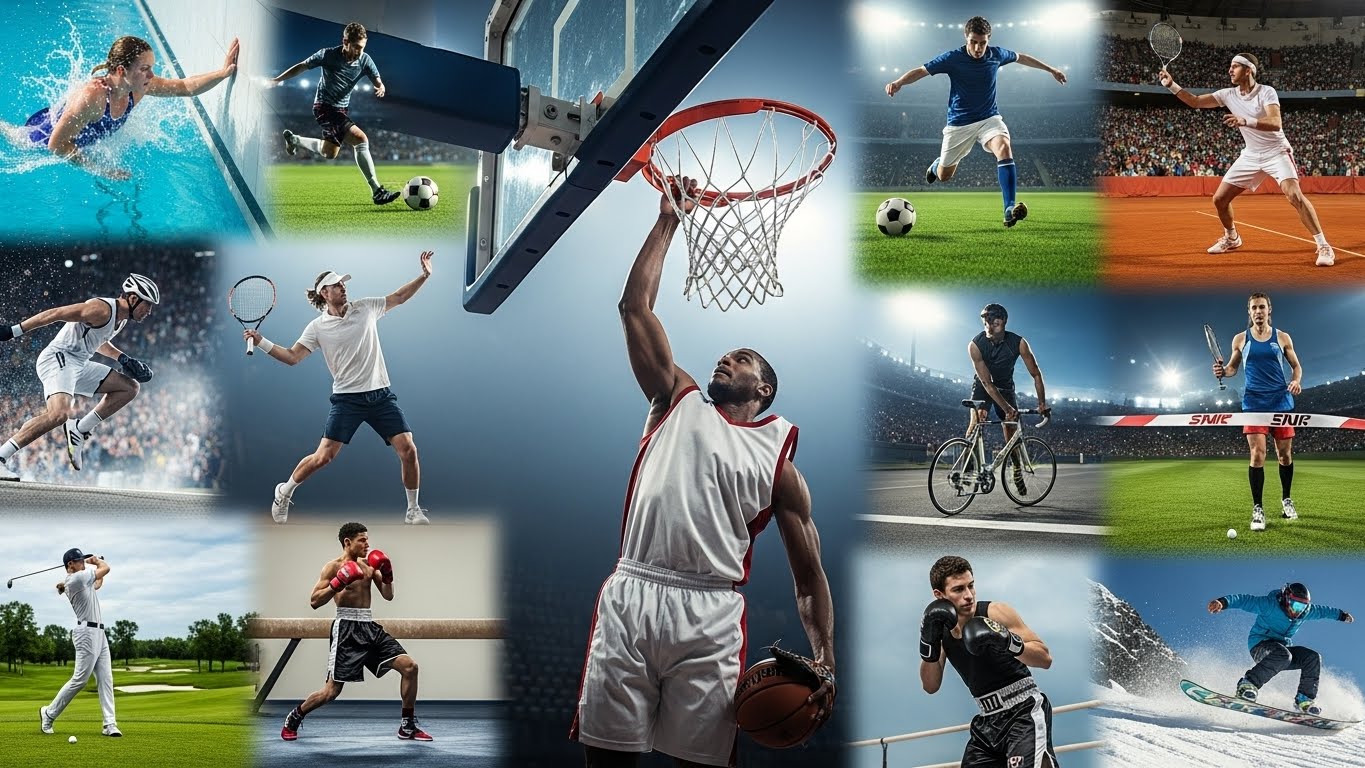
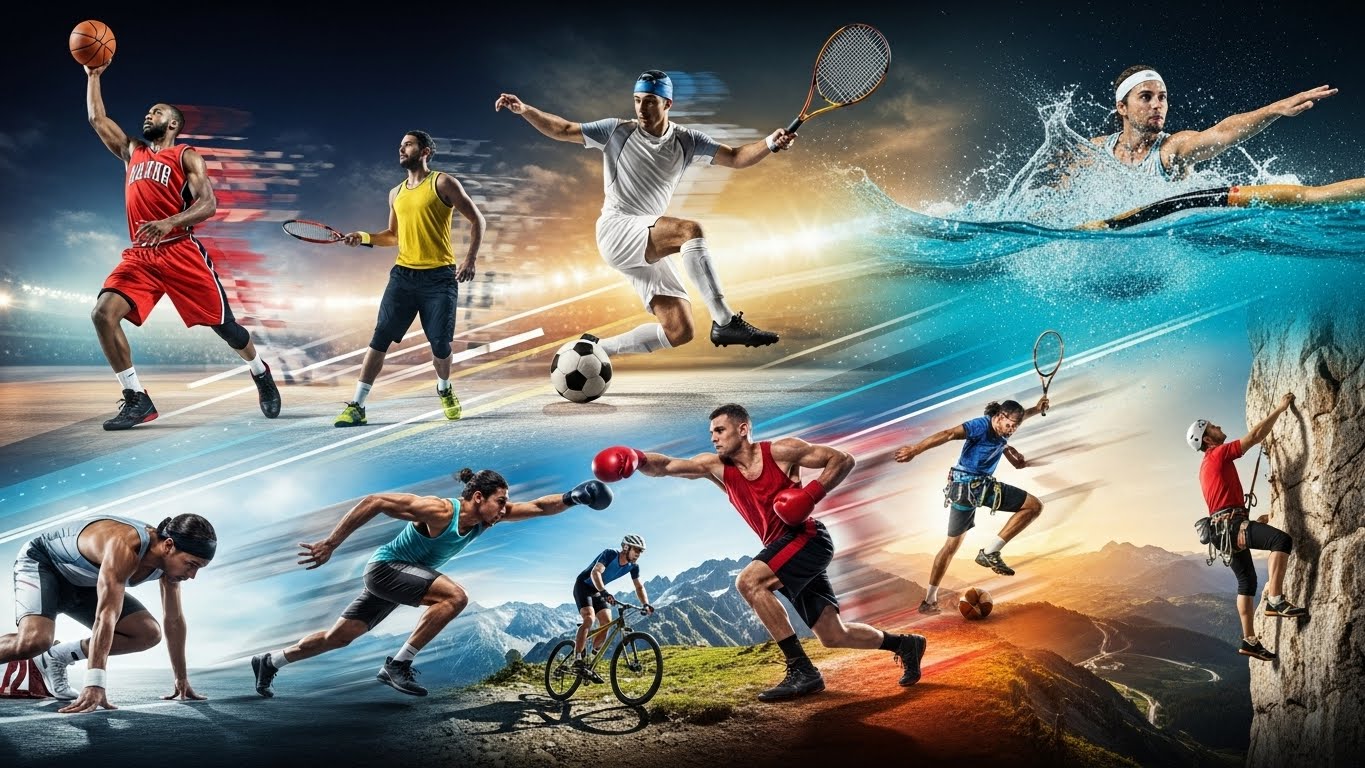
Sports have always been one of humanity’s greatest expressions of unity and competition. Across continents, cultures, and centuries, people have turned to sports not only for entertainment but also as a mirror of human potential. Whether it is the thunderous roar of a packed stadium, the rhythmic grace of a gymnast, or the endurance of a marathon runner, sports reflect discipline, strategy, and emotion intertwined in motion. From ancient arenas to modern stadiums, sports transcend boundaries, uniting nations in shared passion and purpose. They are not just games; they are stories of triumph, loss, and everything in between.
The Ancient Roots of Sports
The history of sports stretches far beyond the modern era. Ancient civilizations practiced athletic contests as both physical training and spiritual celebration. In Greece, the Olympic Games began around 776 BCE, held in Olympia to honor Zeus. These games featured running, wrestling, discus, and chariot racing—events that tested strength, agility, and courage. Athletes were celebrated as heroes, and the spirit of fair competition was deeply rooted in Greek ideals of balance and harmony.
In ancient Rome, gladiatorial contests took sports to a more brutal extreme. Gladiators fought not only for victory but for survival, captivating massive audiences in the Colosseum. In Asia, martial arts such as kung fu, sumo wrestling, and archery developed as both combat training and spiritual discipline. Indigenous cultures around the world had their own sporting traditions too. The Mayans played the Mesoamerican ballgame, a mix of ritual and competition, while African tribes honed their physical prowess through wrestling and spear-throwing contests. These early forms of sport reflected the societies they came from—ritualistic, communal, and deeply symbolic.
The Evolution of Modern Sports
The transformation of sports into organized, rule-based competition began in Europe during the 18th and 19th centuries. The Industrial Revolution and the rise of urban centers gave birth to structured leisure time, which allowed the development of clubs, associations, and codified rules. Football (soccer), cricket, rugby, and tennis emerged during this period and quickly spread through colonial influence. Britain, in particular, played a key role in globalizing sports by exporting its games to every corner of its empire.
As the world entered the 20th century, sports became a powerful force of identity and nationalism. The modern Olympic Games, revived in 1896 by Pierre de Coubertin, represented a new era of international competition and cooperation. Nations began to take pride in their athletes as symbols of progress, strength, and prestige. Sports organizations were established globally—the International Olympic Committee, FIFA, and the International Cricket Council, among others—laying the foundation for professional competition and global spectacles that continue to shape our world today.
The Psychological Impact of Sports
Sports are not merely physical contests; they are profound psychological experiences. The mental aspect of sports often determines the difference between victory and defeat. Athletes train their minds to focus, adapt, and handle pressure. The concept of “mental toughness” has become central in modern coaching, emphasizing resilience, emotional control, and self-belief. From the calm focus of a golfer lining up a crucial putt to the unshakeable confidence of a penalty taker in a World Cup final, the psychology of sports reveals how deeply the mind and body are connected.
Fans, too, experience a powerful psychological bond with sports. Supporting a team can become part of one’s identity, influencing emotions, moods, and even social connections. The collective euphoria of a win or the shared pain of a loss creates emotional communities that transcend individual differences. Sports thus become a channel for shared experience—a language of emotion understood by millions across the globe.
The Role of Technology in Sports
In today’s era, technology has revolutionized the way sports are played, watched, and analyzed. Advanced equipment, data analytics, and biomechanics have pushed athletic performance to new heights. High-speed cameras capture every movement, allowing coaches to correct minute flaws in technique. Wearable sensors monitor heart rates, oxygen levels, and fatigue, enabling precise adjustments to training regimens. Artificial intelligence and predictive analytics now play a major role in scouting, strategy, and injury prevention.
In broadcasting, virtual reality and augmented reality have enhanced fan engagement, while instant replay systems and goal-line technology have improved fairness in officiating. The introduction of VAR (Video Assistant Referee) in football, Hawk-Eye in tennis and cricket, and advanced timing systems in athletics have redefined accuracy in sports judgment. The digital transformation has also expanded access—fans can now follow their favorite teams and athletes live on mobile devices, bringing sports to the fingertips of billions worldwide.
The Business of Sports
Sports today are also an enormous global industry, worth hundreds of billions of dollars annually. The commercialization of sports has turned athletes into brands and teams into corporate entities. Sponsorships, endorsements, broadcasting rights, and merchandising form the financial backbone of the modern sports economy. Major events like the FIFA World Cup, the Super Bowl, and the Olympic Games generate billions in revenue, not only through ticket sales but through global advertising and media exposure.
However, the business side of sports is not without controversy. Issues such as excessive commercialization, corruption, and exploitation of athletes have sparked debate about the true spirit of sportsmanship. The line between passion and profit often blurs, raising questions about fairness, accessibility, and integrity. Yet, it cannot be denied that commercialization has also elevated sports to global prominence, providing athletes with resources, visibility, and platforms to inspire millions.
Women in Sports: Breaking Barriers
One of the most transformative movements in sports history is the rise of women athletes. For centuries, women faced systemic exclusion from competitive sports, limited by societal expectations and discrimination. The early 20th century saw pioneers like Alice Milliat, who fought for women’s participation in the Olympics, and athletes like Babe Didrikson Zaharias, who defied gender norms to excel in multiple disciplines.
The introduction of Title IX in the United States in 1972 was a turning point, mandating equal opportunity in sports and education. Since then, women have become global icons of excellence and empowerment—from Serena Williams and Simone Biles to Megan Rapinoe and Naomi Osaka. These athletes have not only broken records but shattered stereotypes, proving that athletic greatness knows no gender. Women’s sports leagues, including the WNBA and FA Women’s Super League, continue to grow, drawing fans and investments that reflect a long-overdue recognition of talent and equality.
Sports and Society: A Reflection of Humanity
Sports mirror the best and worst of human society. They showcase diversity, unity, and the power of collective achievement, yet they also expose inequalities and divisions. Throughout history, sports have served as a stage for political expression and social change. The Black Power salute by Tommie Smith and John Carlos at the 1968 Olympics, Nelson Mandela’s use of rugby to unite post-apartheid South Africa, and Colin Kaepernick’s protest against racial injustice—all demonstrate how sports can be a platform for dialogue and transformation.
At the same time, sports have faced challenges of racism, corruption, doping, and violence. These darker aspects remind us that sports are a human institution, shaped by the same moral and ethical complexities found in society at large. The global sports community continues to grapple with these issues, striving to preserve the purity of competition while promoting inclusivity, respect, and fairness.
The Role of Sports in Education
Sports play a vital role in shaping character and values, especially among young people. Educational institutions worldwide recognize the importance of athletics in fostering teamwork, discipline, leadership, and resilience. Participation in sports teaches lessons that extend far beyond the field: how to handle defeat gracefully, how to communicate under pressure, and how to persevere through adversity.
Student-athletes often become role models for their peers, demonstrating that excellence is achievable through dedication and balance. Physical education programs in schools encourage health and fitness while building a foundation for lifelong well-being. Beyond academics, sports nurture social cohesion and confidence, shaping individuals who contribute positively to their communities.
Sports and Global Unity
Few forces in the modern world possess the unifying power of sports. Events like the FIFA World Cup, the Olympics, and the Cricket World Cup bring nations together in celebration and competition. These moments remind us that, despite political, cultural, or linguistic differences, humanity shares a common pulse of excitement and admiration for athletic brilliance. When a runner crosses the finish line, a gymnast lands a perfect routine, or a team lifts a championship trophy, the emotion is universal.
Sports diplomacy has also played a crucial role in easing tensions between nations. The “ping-pong diplomacy” between the United States and China in the 1970s helped pave the way for better relations. Similarly, joint participation by North and South Korea in Olympic events has symbolized hope for reconciliation. In this way, sports serve as a bridge between nations, a field where competition fosters respect rather than division.
The Future of Sports: Challenges and Innovations
The world of sports stands at a crossroads between tradition and innovation. Emerging technologies, shifting fan behaviors, and new forms of competition are reshaping the landscape. Esports, for example, has grown into a global phenomenon, attracting millions of viewers and blurring the line between physical and digital athletics. Virtual competitions and gaming leagues have opened new frontiers for engagement, especially among younger audiences.
However, the future also brings challenges. The environmental impact of massive sporting events, the mental health of athletes, and the need for inclusivity across gender and socioeconomic lines are all pressing issues. Climate change affects outdoor sports, prompting organizations to adopt sustainable practices. Meanwhile, the growing awareness of athlete burnout and mental health struggles has encouraged more open conversations and better support systems.
As artificial intelligence, virtual reality, and biotechnology continue to advance, sports will likely evolve in ways we can barely imagine. Yet, no matter how much technology changes the game, the essence of sports—the human drive to strive, compete, and connect—will remain unchanged.
Conclusion: The Eternal Flame of Sports
From the dusty fields of ancient Greece to the digital stadiums of today, sports have remained one of humanity’s most enduring passions. They embody the pursuit of excellence, the celebration of diversity, and the power of unity. Sports teach us to dream, to endure, and to overcome. They remind us that effort matters as much as outcome, that victory is sweet but fleeting, and that respect for one’s opponent is the true mark of greatness.
In every match, every race, and every record broken, we see not just physical achievement but the story of human spirit itself. Whether played on a playground or broadcast to billions, sports will always be a testament to what we can achieve when we push our limits and believe in something greater than ourselves. In the grand arena of life, sports are not just games—they are a celebration of humanity’s relentless pursuit of progress, unity, and hope.