Introduction: The Universal Language of Sports
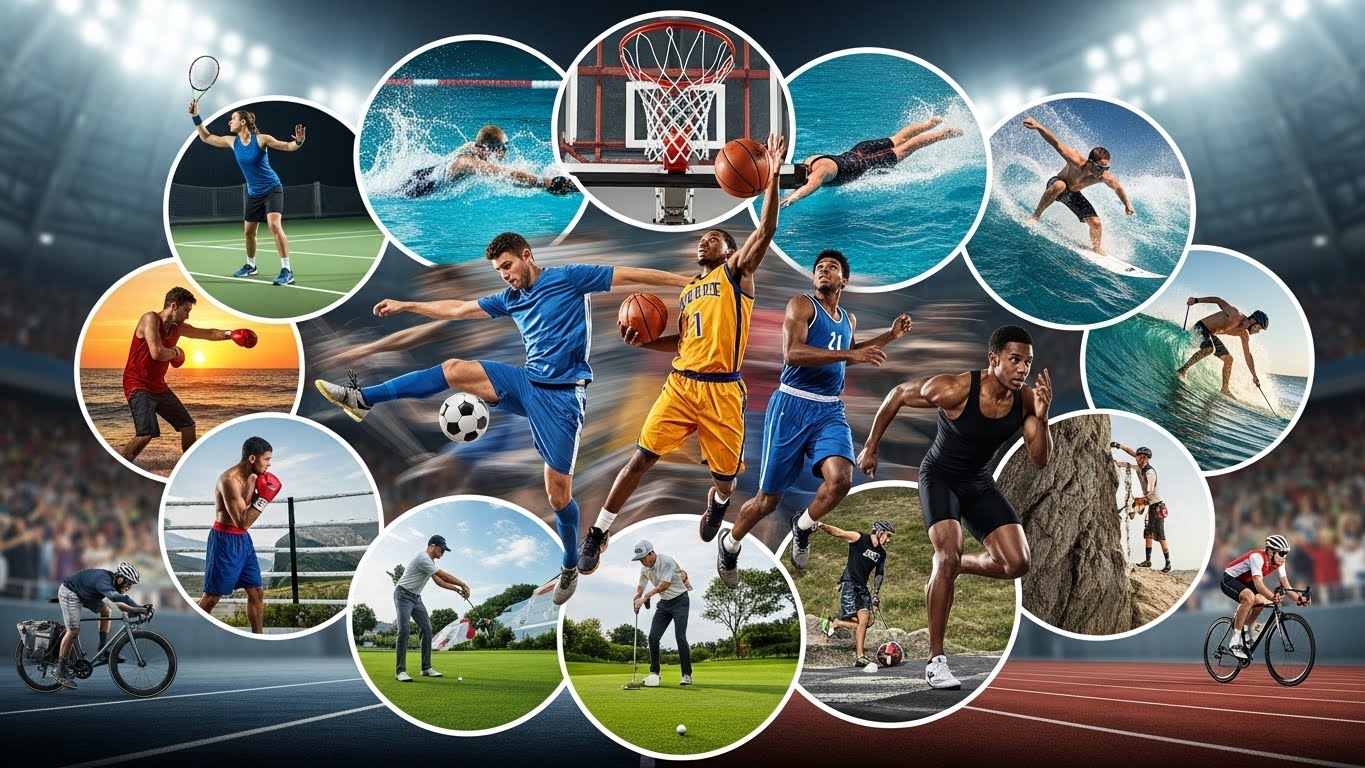
Sports have always been far more than games. They are a universal language that transcends borders, cultures, and ideologies. From the dusty fields of rural villages to the glittering stadiums of global tournaments, sports ignite passion, unity, and hope. They shape identities, foster discipline, and serve as a mirror reflecting the strengths and struggles of humanity.
In today’s interconnected world, sports are not only about physical competition but also about mental resilience, teamwork, and global influence. They have evolved from local recreational activities into billion-dollar industries that inspire billions of people worldwide. Whether it’s the intensity of football, the grace of tennis, or the strategy of cricket, sports represent an essential part of human civilization and growth.
The Ancient Roots of Sports
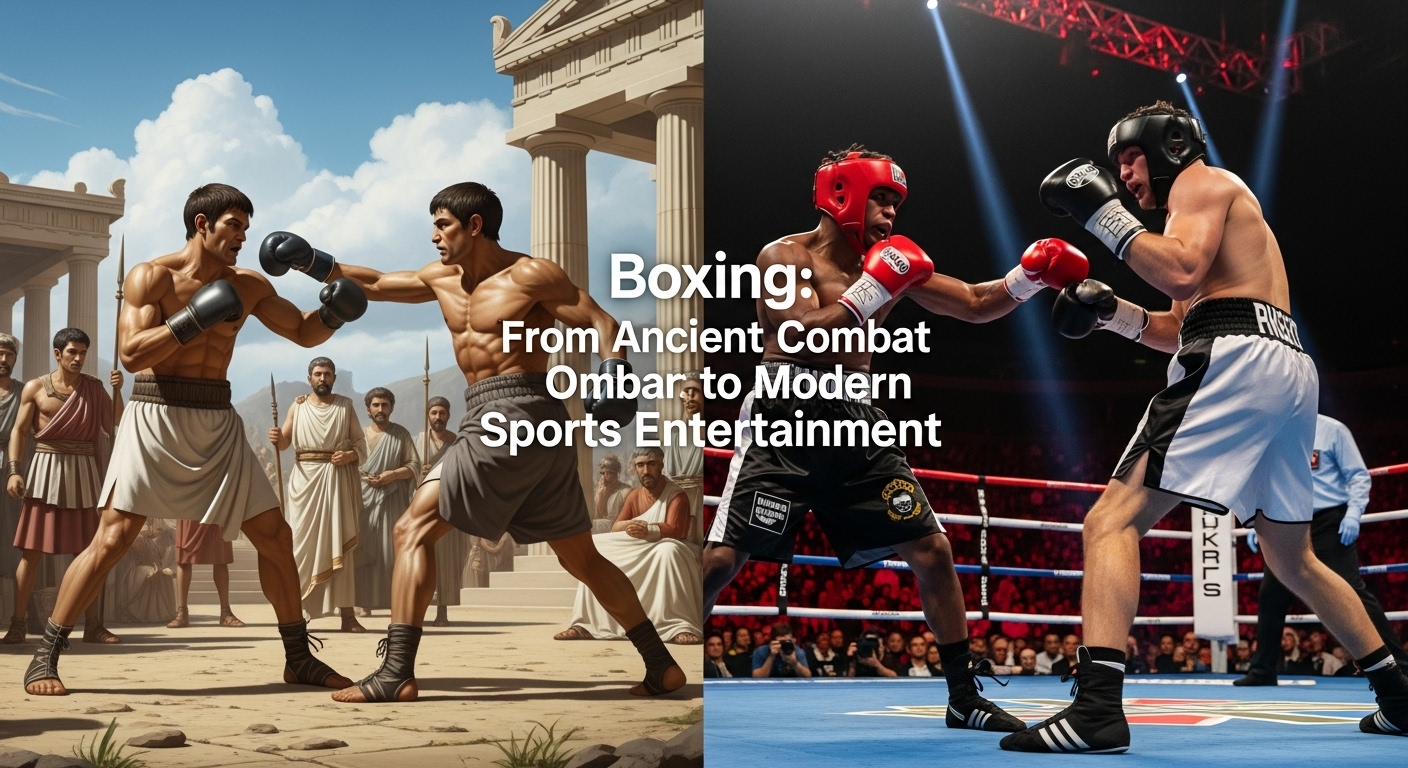
The history of sports is as old as civilization itself. Archaeological evidence suggests that physical contests existed in ancient Egypt, Greece, China, and Mesopotamia thousands of years ago. Early forms of running, wrestling, and ball games were not just for entertainment but were deeply connected to religious rituals, festivals, and military training.
The ancient Olympic Games, first recorded in 776 BCE in Greece, marked the beginning of organized sports as we know them. These events celebrated human excellence and honored the gods, particularly Zeus. Athletes from various city-states competed in running, discus, javelin, and wrestling, showcasing not only physical prowess but also a commitment to glory and honor.
In ancient China, sports like archery, martial arts, and chariot racing were essential for preparing warriors and demonstrating nobility. Meanwhile, the Mesoamerican ball game, played by the Mayans and Aztecs, held spiritual significance, often symbolizing the battle between life and death.
Sports, in their earliest forms, were deeply intertwined with religion, culture, and politics. They helped societies channel aggression, celebrate vitality, and build a sense of unity among their people.
The Transformation During the Modern Era
The transformation of sports into their modern forms began during the 18th and 19th centuries, particularly in Europe. The rise of industrialization and urbanization gave people structured leisure time, which led to the creation of clubs, rules, and organized competitions.
In England, games like football, cricket, and rugby were standardized in schools and universities. They spread across the British Empire, laying the foundation for the global popularity of these sports today. The Industrial Revolution also played a crucial role by introducing technology that improved equipment, transportation, and communication, enabling regional and international tournaments.
The re-establishment of the modern Olympic Games in 1896 by Pierre de Coubertin marked a turning point. His vision was to promote peace and unity through athletic excellence. The Olympics became a symbol of global harmony and the pursuit of perfection — ideals that still resonate more than a century later.
The Globalization of Sports
By the 20th century, sports had become a worldwide phenomenon. Radio, television, and eventually the internet transformed how people experienced games. Fans could now follow their favorite teams and athletes in real-time, creating global communities united by passion.
Football (soccer) emerged as the world’s most popular sport, captivating billions of fans across continents. The FIFA World Cup became more than a tournament — it became a festival of nations, cultures, and dreams. Similarly, sports like basketball, baseball, tennis, and athletics grew in influence through professional leagues and international events.
The Cold War era added a political dimension to sports, where victories in the Olympics or world championships were seen as national triumphs. The intense rivalry between nations fueled both competition and innovation, leading to the development of advanced training methods, sports science, and technology.
Today, sports are truly global. A child in Kenya can idolize a sprinter from Jamaica, a teen in India can wear the jersey of a football club from Spain, and a fan in Japan can watch the NBA live from the United States. Sports have erased geographical boundaries and created a common culture of passion and pride.
Sports and Technology: A Revolution on and off the Field
The impact of technology on sports cannot be overstated. From performance analytics to broadcasting, technology has revolutionized how athletes compete and how fans engage.
1. Training and Performance:
Athletes now have access to advanced monitoring systems that measure heart rate, oxygen levels, speed, and muscle activity. High-speed cameras analyze movement, while virtual simulations allow players to visualize tactics and improve decision-making. Wearable devices and AI-powered analysis have made training more scientific and data-driven.
2. Equipment and Safety:
Innovation has also improved safety and performance. From lighter shoes and aerodynamic gear to smart helmets and injury-prevention technologies, athletes can now compete at higher levels with reduced risk.
3. Broadcasting and Fan Experience:
The digital age has completely changed how fans experience sports. High-definition broadcasts, instant replays, virtual reality, and live streaming bring the stadium to every living room. Social media platforms allow direct interaction between fans and athletes, making sports more personal and engaging.
Technology has made sports not only more competitive but also more inclusive and accessible, reaching audiences that were once out of reach.
The Economic Powerhouse of Sports
Sports today represent one of the largest sectors of the global economy. From ticket sales and merchandise to sponsorships and broadcasting rights, the financial ecosystem surrounding sports is immense.
Professional leagues like the English Premier League, the NBA, and the NFL generate billions of dollars annually. Major sporting events such as the Olympics, World Cup, and Super Bowl contribute significantly to tourism, infrastructure, and global media revenues.
Brands recognize the emotional connection people have with sports and use sponsorships to build loyalty. Athletes, in turn, become powerful ambassadors, blending performance with personality to inspire and influence millions.
Sports also create countless jobs — from coaches and medical staff to journalists and event organizers. In many countries, investing in sports infrastructure stimulates local economies, enhances tourism, and fosters community development.
The Role of Sports in Society
Beyond entertainment and economics, sports play a vital role in shaping society. They influence values, promote inclusion, and bridge social divides.
1. Building Character and Discipline
Sports teach essential life skills such as teamwork, leadership, resilience, and time management. The discipline required to train and compete translates into valuable traits that help individuals succeed in other areas of life.
2. Promoting Health and Well-being
In a world facing rising levels of obesity and mental stress, sports encourage physical activity and emotional balance. Regular participation improves cardiovascular health, reduces anxiety, and enhances self-esteem.
3. Social Unity and National Pride
Few things unite people like sports. During international tournaments, entire nations come together to support their teams, regardless of political or cultural differences. The joy of victory and the pain of defeat are shared collectively, fostering unity and pride.
4. Gender Equality and Empowerment
Sports have become a powerful platform for women’s empowerment. From Billie Jean King’s fight for equal pay in tennis to the success of the U.S. Women’s Soccer Team, female athletes continue to challenge stereotypes and inspire future generations.
5. Social Change and Activism
Modern athletes are using their influence to raise awareness about social and political issues. Figures like Muhammad Ali, Colin Kaepernick, and Serena Williams have shown that sports can be a tool for justice and equality. Their voices echo beyond the stadium, inspiring conversations about race, gender, and human rights.
Youth and Grassroots Sports: The Foundation of the Future
The future of sports depends on nurturing young talent. Grassroots programs and community clubs play a crucial role in identifying and developing the next generation of athletes.
For children, sports provide more than physical fitness — they offer lessons in teamwork, humility, and perseverance. Schools that emphasize sports alongside academics produce more balanced individuals who understand the value of discipline and fair play.
Governments and organizations around the world are increasingly recognizing the importance of youth sports development. Initiatives that provide facilities, coaching, and access to underserved communities not only cultivate athletes but also create healthier, more confident citizens.
The Dark Side of Sports
While sports inspire greatness, they also face challenges that tarnish their spirit.
1. Doping and Cheating:
The pursuit of success sometimes drives athletes to use performance-enhancing drugs, undermining fairness and integrity. Scandals in cycling, athletics, and other sports have highlighted the need for stricter regulations and ethical education.
2. Corruption and Commercialization:
The increasing commercialization of sports has led to corruption scandals in major organizations. When profit overshadows passion, the true essence of competition is lost.
3. Violence and Fan Misconduct:
Sports rivalries, while exciting, can sometimes lead to aggression and hooliganism. Maintaining respect and sportsmanship remains a constant challenge.
4. Mental Health Struggles:
The immense pressure to perform, especially at the professional level, often leads to mental health issues among athletes. Recently, more sports figures have begun speaking openly about their struggles, helping to break stigma and promote emotional wellness.
Despite these issues, the global sports community continues to work toward reform and integrity. Organizations are investing in education, transparency, and mental health support to ensure sports remain a force for good.
The Rise of Esports and Digital Competition
In the 21st century, sports have taken on a new dimension: esports. Competitive video gaming, once seen as mere recreation, has evolved into a legitimate sport with professional leagues, massive audiences, and huge prize pools.
Games like League of Legends, Dota 2, and FIFA now attract millions of viewers online. Esports athletes train rigorously, maintain fitness routines, and use strategic teamwork similar to traditional sports.
The rise of esports demonstrates how the definition of “sport” continues to expand. It also reflects how technology and youth culture are shaping the future of competition and entertainment.
The Future of Sports: Sustainability, Inclusion, and Innovation
The future of sports will be defined by how societies adapt to emerging challenges and opportunities.
1. Sustainability
Major sporting events now focus on minimizing environmental impact through eco-friendly stadiums, renewable energy, and waste reduction. The intersection of sports and sustainability will become increasingly vital in addressing climate change.
2. Inclusion and Diversity
Sports will continue to push boundaries of inclusion — welcoming people regardless of gender, ability, or background. The rise of Paralympic sports and adaptive technologies shows how inclusivity enriches the global sporting community.
3. Artificial Intelligence and Virtual Reality
AI will play a major role in analyzing performance, predicting outcomes, and enhancing fan engagement. Virtual and augmented reality experiences will make sports more immersive than ever before.
4. Global Cooperation and Peacebuilding
Sports diplomacy will remain a powerful tool for fostering peace and understanding. Events that bring nations together remind the world that cooperation and respect can prevail even in times of conflict.
Conclusion: The Enduring Spirit of Sports
Sports are one of humanity’s greatest inventions — a testament to our desire for challenge, connection, and excellence. From ancient arenas to digital platforms, they continue to unite people across time and geography.
They teach us to celebrate effort over outcome, to respect opponents, and to persevere through adversity. They build bridges where walls exist, offering hope in moments of division.
As we look toward the future, the essence of sports remains timeless: the pursuit of improvement, the joy of participation, and the unbreakable spirit of competition. In every sprint, every goal, and every triumph, sports remind us what it means to be human.