Introduction: More Than Just a Game
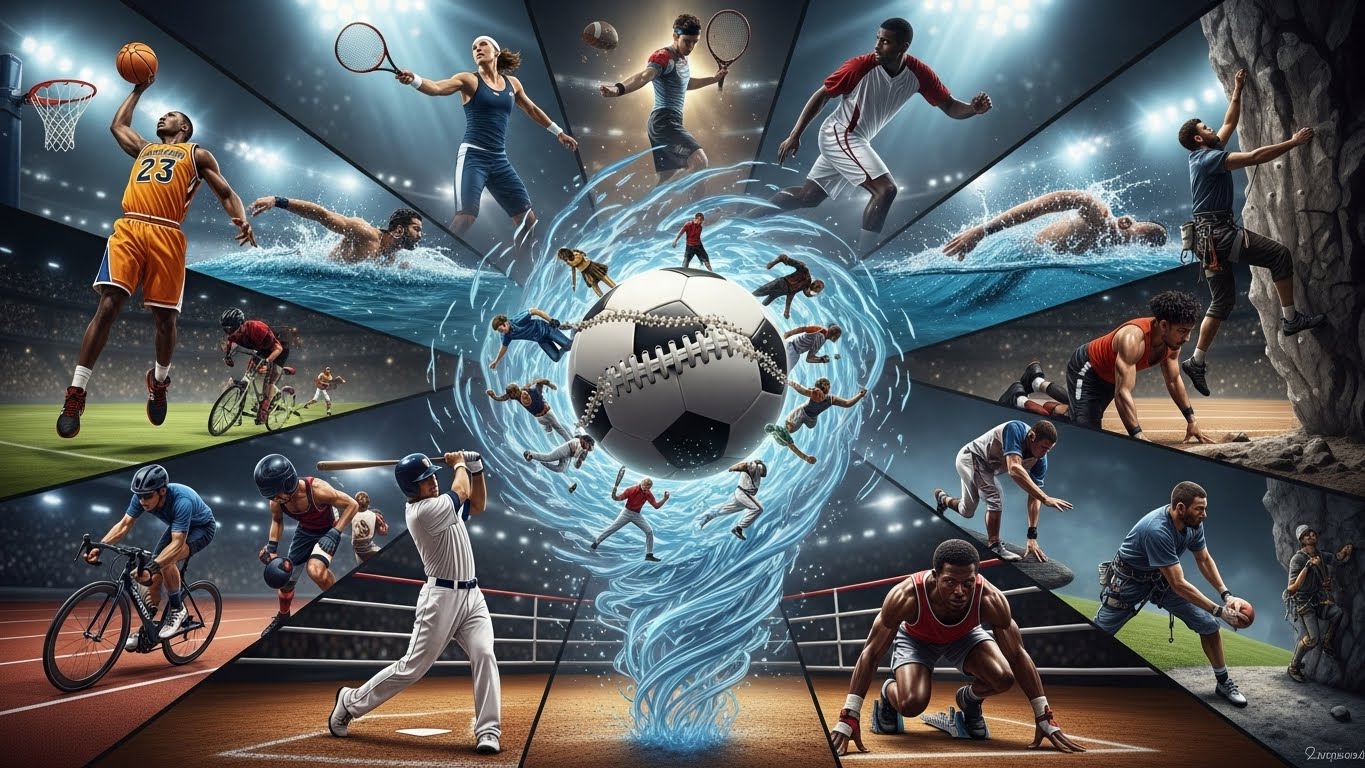
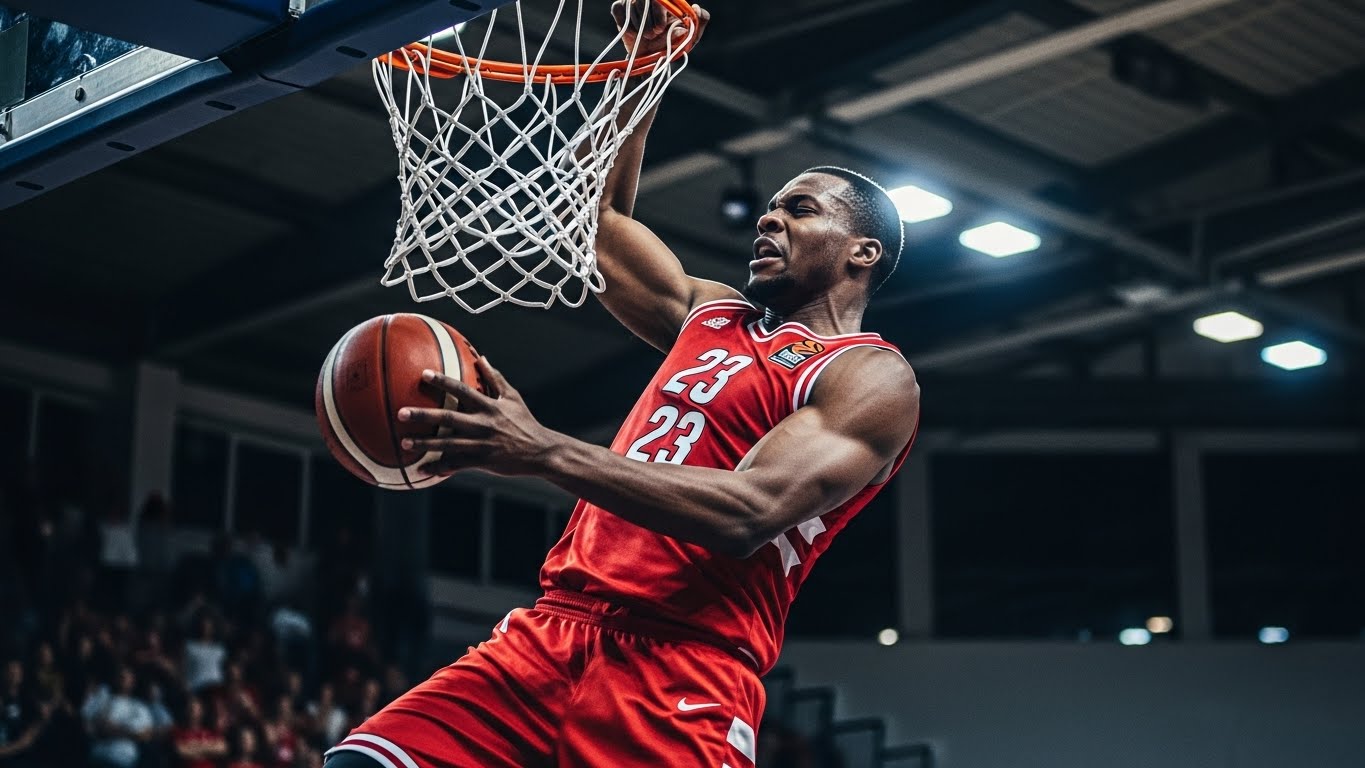
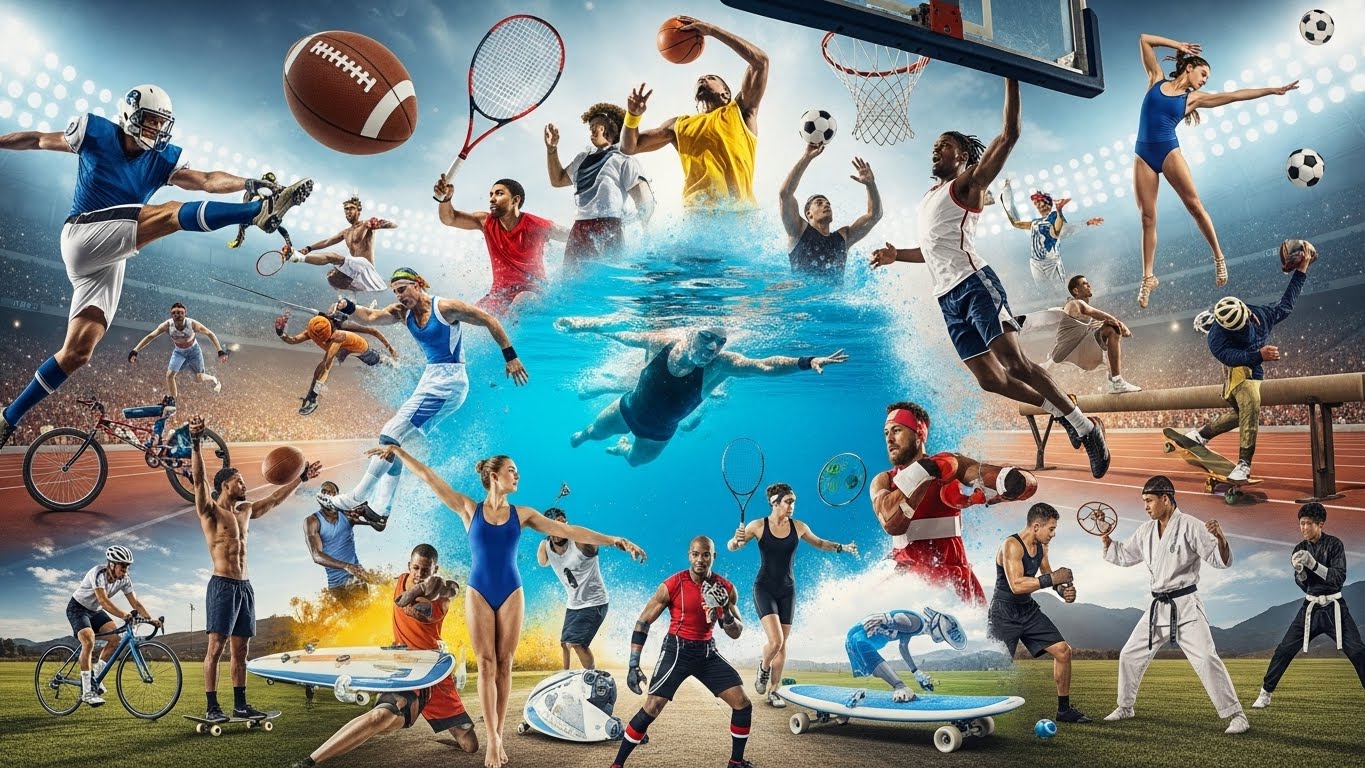
Sports are often seen as a form of entertainment, a way to pass time, or a competition where winners celebrate and losers regroup. Yet, beneath the surface of cheering crowds, flashing scoreboards, and intense rivalries lies something far deeper. Sports are a powerful force that shapes individual character, influences societies, bridges cultural divides, and reflects the values of humanity itself. From dusty neighborhood grounds to grand international stadiums, sports tell stories of struggle, discipline, unity, and hope. This blog explores how sports go far beyond physical activity and become a meaningful part of life.
The Historical Roots of Sports
Sports have existed for thousands of years, evolving alongside human civilization. Ancient societies used physical contests not only for recreation but also for survival training and community bonding. Early forms of wrestling, running, archery, and ball games were practiced to prepare warriors and strengthen communal ties. Over time, these activities became organized, rule-based, and symbolic of cultural identity. The continuity of sports across centuries proves their deep connection to human nature. They are not a modern invention but a timeless expression of competition and cooperation.
Sports and Personal Discipline
One of the most powerful lessons sports teach is discipline. Athletes must commit to regular training, maintain physical fitness, and develop mental resilience. Success rarely comes overnight. It is built through early mornings, repetitive practice, and countless moments of self-doubt. This discipline often carries over into everyday life. People who engage in sports learn time management, patience, and the importance of consistency. Even those who never play professionally benefit from these habits, using them to succeed in education, careers, and personal goals.
The Role of Sports in Building Character
Sports are a real-life classroom for character development. They teach honesty through fair play, humility through defeat, and confidence through achievement. Losing a match can be painful, but it also teaches acceptance and the ability to learn from mistakes. Winning, on the other hand, teaches responsibility and respect for opponents. Sports encourage individuals to push beyond their limits while staying grounded in values such as teamwork, respect, and perseverance. These character traits often define people long after their playing days are over.
Teamwork and Leadership on the Field
Team sports highlight the importance of collaboration. No matter how talented an individual may be, success often depends on the collective effort of the group. Players learn to communicate, trust one another, and work toward a shared objective. Leadership naturally emerges in such environments. Captains and senior players guide, motivate, and set examples for others. These leadership skills are highly transferable, shaping confident individuals who can inspire and manage teams in professional and social settings.
Sports as a Unifying Force
One of the most remarkable aspects of sports is their ability to unite people. Fans from different backgrounds, languages, and beliefs come together to support a team or athlete. In moments of major sporting events, social differences often fade as collective emotions take over. Victories are celebrated together, and losses are mourned as one. Sports create a sense of belonging, offering people a shared identity and common ground. This unity is especially powerful in times of social tension or uncertainty.
Cultural Identity and National Pride
Sports often play a key role in shaping national identity. When athletes represent their countries, they carry more than just personal ambition; they carry the hopes and pride of millions. Iconic moments in sports history become part of a nation’s collective memory. Traditional sports also preserve cultural heritage, reflecting local customs, values, and history. Through sports, cultures express themselves and connect with the world, fostering mutual respect and understanding.
The Emotional Impact of Sports
Sports have a unique ability to evoke strong emotions. Joy, heartbreak, excitement, and anticipation are all part of the experience. These emotions create unforgettable memories, whether it is watching a last-minute goal, witnessing an underdog victory, or seeing a legendary athlete retire. Sports provide an emotional outlet, allowing people to express feelings that may otherwise remain hidden. This emotional connection strengthens bonds between fans, families, and communities.
Sports and Physical Well-Being
At their core, sports promote physical health. Regular participation improves strength, endurance, coordination, and overall fitness. In a world increasingly dominated by sedentary lifestyles, sports offer a natural and enjoyable way to stay active. Beyond physical benefits, sports also contribute to mental well-being. Exercise reduces stress, boosts mood, and improves focus. For many, sports become a healthy escape from daily pressures, offering balance and clarity.
The Mental Strength Developed Through Sports
Mental toughness is a defining feature of successful athletes. The ability to stay focused under pressure, recover from setbacks, and maintain confidence is crucial in sports. These mental skills are equally valuable in life. Sports teach individuals how to handle failure, manage stress, and stay motivated during difficult times. The lessons learned on the field often become tools for overcoming challenges off the field.
Sports as a Platform for Social Change
Throughout history, sports have played a role in challenging social norms and promoting change. Athletes have used their visibility to raise awareness about injustice, equality, and human rights. Sporting arenas have become spaces where important conversations begin. By inspiring dialogue and action, sports demonstrate their power to influence society beyond competition. They remind us that athletes are not just performers but also voices with the ability to shape opinions and inspire progress.
The Business and Media Side of Sports
Modern sports are deeply connected to media and business. Broadcasting has transformed local games into global spectacles, allowing fans worldwide to follow their favorite teams and players. This growth has created economic opportunities, from sponsorships to careers in management, journalism, and sports science. While commercialization brings challenges, it also highlights the widespread impact of sports on global economies and popular culture.
Youth Development Through Sports
For young people, sports are a valuable tool for growth and learning. Participation in sports helps children develop social skills, confidence, and a sense of responsibility. It teaches them how to set goals, handle competition, and respect rules. Sports also provide positive role models and constructive use of time, keeping youth engaged and motivated. These early experiences often shape lifelong attitudes toward health, teamwork, and ambition.
The Spirit of Sportsmanship
Sportsmanship lies at the heart of true athletic competition. It emphasizes respect for opponents, officials, and the game itself. Acts of kindness, fairness, and integrity often leave a stronger impression than the final score. Sportsmanship reminds us that how a game is played matters as much as the result. It reinforces the idea that competition should bring out the best in people, not the worst.
The Future of Sports
As technology and society evolve, sports continue to change. Advances in training, analytics, and equipment are redefining performance. New sports and formats are emerging, attracting younger audiences and expanding participation. Despite these changes, the core values of sports remain constant. Passion, dedication, and human connection continue to drive the world of sports forward.
Conclusion: The Lasting Impact of Sports
Sports are far more than physical contests or sources of entertainment. They are a reflection of human ambition, resilience, and unity. Through discipline, teamwork, emotional connection, and cultural expression, sports shape individuals and societies in profound ways. Whether played on a local field or watched on a global stage, sports inspire people to dream, strive, and connect. In a constantly changing world, sports remain a powerful reminder of what humans can achieve together, making them an enduring and essential part of life.