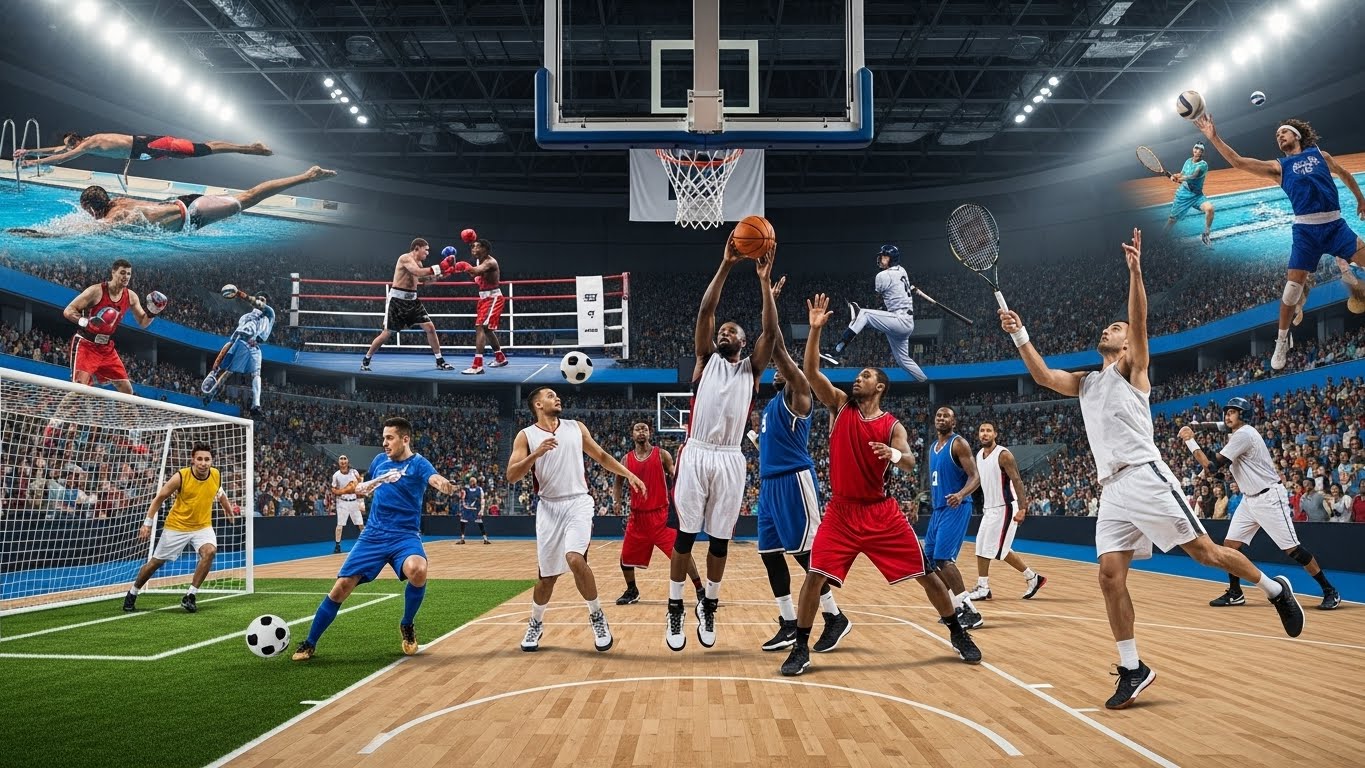
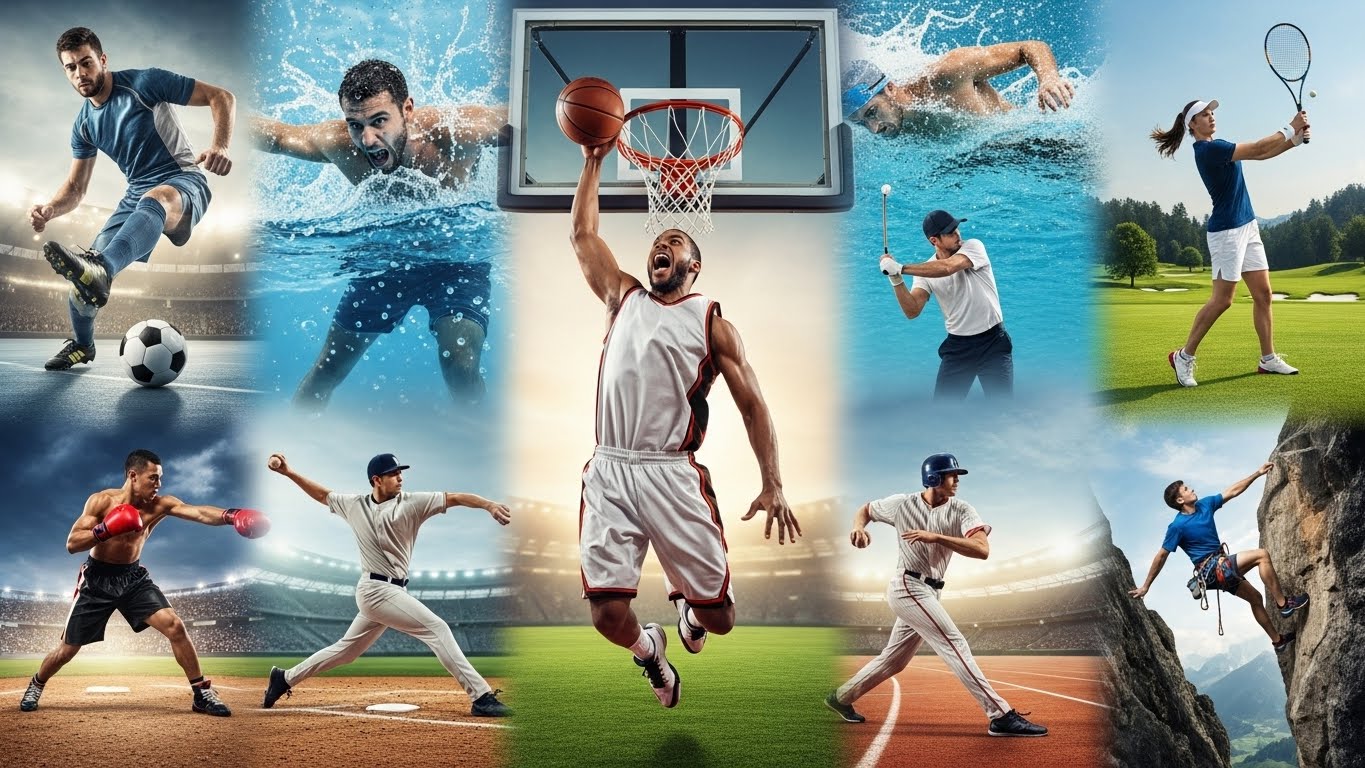
Sports have been an integral part of human culture for centuries. Whether it’s the fierce competition of the Olympics, the tactical brilliance of football, the grace of tennis, or the camaraderie in team sports, the world of sports is vast and multifaceted. But beyond the scoreboard, what makes sports so universally compelling? This blog post will dive deep into the essence of sports, examining not only the physical competition but also the cultural, psychological, and social significance that make sports more than just a pastime.
The Evolution of Sports: From Ancient Times to Modern Day
Sports have always been a reflection of the societies that birthed them. The ancient Greeks gave birth to the Olympic Games, where athletes competed for glory in events like running, wrestling, and chariot racing. These contests were as much about honoring the gods as they were about testing human limits. Similarly, ancient civilizations like the Mayans, Egyptians, and Romans had their own variations of sporting events, often intertwined with religious or ceremonial purposes.
Over time, sports evolved into more organized competitions. By the 19th century, modern sports began taking shape with the establishment of formal rules, teams, and competitions. The industrial revolution played a significant role in this transformation by allowing for more leisure time and a growing sense of nationalism that encouraged international competitions. The introduction of professional sports leagues, such as the NFL, NBA, and Premier League, brought sports into the mainstream, making them not just a hobby for fans but a global industry.
Sports as a Social Unifier
One of the most powerful aspects of sports is their ability to unite people from different backgrounds, cultures, and nations. Whether it’s a local game of basketball or the FIFA World Cup, sports transcend geographical, political, and cultural barriers. In fact, sports often serve as a tool for diplomacy and social change. Think of the 1995 Rugby World Cup in South Africa, which became a symbol of unity post-apartheid. Nelson Mandela’s use of the event to promote national reconciliation is a prime example of how sports can bring people together, even in the most politically and racially divided societies.
Moreover, team sports, in particular, foster a sense of community. Fans who support the same team develop a shared identity, while athletes build strong bonds with teammates. These social dynamics are crucial for personal development, especially among young athletes. For children and teenagers, sports teach vital life skills such as teamwork, leadership, and discipline. They also provide a sense of belonging, which is critical in shaping one’s identity and self-worth.
The Psychological Benefits of Sports
It’s no secret that physical activity is good for the body, but sports also offer profound psychological benefits. The mental and emotional aspects of sports are often overlooked but are just as important as the physical aspects. Regular participation in sports can significantly reduce stress, anxiety, and depression, while promoting positive mental health.
For athletes, the mental game is just as important as the physical one. A soccer player, for example, must maintain focus and clarity under immense pressure, while a tennis player needs to stay mentally sharp and resilient during long matches. The psychological aspect of sports training involves strategies like mindfulness, visualization, and relaxation techniques to enhance performance and manage nerves.
Additionally, sports provide individuals with a sense of achievement and purpose. The goal-setting process in sports, whether it’s improving personal records, winning championships, or simply mastering a new skill, fosters a sense of progression and accomplishment. These psychological rewards often spill over into other areas of life, such as academics or professional careers.
The Commercialization of Sports: The Rise of the Industry
The commercialization of sports is one of the defining characteristics of the modern sports world. From sponsorship deals to merchandise sales, sports have become a multi-billion-dollar industry. This commercialization has led to the growth of media rights deals, allowing fans worldwide to tune into games live from the comfort of their homes.
However, the commercialization of sports has not come without controversy. The pressure on athletes to perform at the highest level has led to concerns about mental health, as well as the ethics of endorsement deals and the use of performance-enhancing drugs. Moreover, the focus on profit-making has sometimes overshadowed the purity of the sport itself, with business interests clashing with the traditional values of sportsmanship.
Despite these challenges, the commercial success of sports has also had positive effects, including the ability to invest in grassroots development and improve facilities for future generations of athletes. Sponsorships and media deals provide financial backing for teams, allowing them to invest in their players and expand the global reach of the sport.
The Role of Technology in Modern Sports
In recent years, technology has had a profound impact on sports. From wearable fitness trackers to instant replay systems, technology has revolutionized how athletes train, how games are officiated, and how fans engage with sports. The use of advanced analytics, for instance, has become a cornerstone of modern sports, particularly in baseball, basketball, and soccer, where data-driven strategies help teams make informed decisions on everything from player recruitment to game tactics.
One of the most significant advancements in sports technology is the use of video review systems like VAR (Video Assistant Referee) in soccer. These technologies have helped reduce errors in officiating, ensuring that important decisions are made with greater accuracy. While VAR has sparked debates, particularly among fans, it represents a shift towards a more objective and data-centric approach to decision-making in sports.
Additionally, advancements in sports equipment have led to improved performance and safety. The use of better materials in athletic footwear, for example, has helped runners and football players reduce the risk of injuries, while innovations in helmets and padding have made contact sports safer.
The Globalization of Sports
Sports have always had a global element, but the pace of globalization has increased in recent decades. The rise of the internet, social media, and satellite television has enabled fans across the world to follow sports from different countries and cultures. Major sports leagues, such as the NBA and Premier League, have expanded their global presence through international tours, partnerships, and digital content.
The globalization of sports has also led to the internationalization of athletes. Today, you’re just as likely to see a Japanese baseball player in Major League Baseball as you are to see a European basketball player in the NBA. This cross-cultural exchange has enriched sports, making them more diverse and inclusive.
In addition, major international competitions such as the FIFA World Cup and the Olympics bring together athletes from all corners of the globe. These events are more than just athletic competitions—they are celebrations of culture, unity, and human achievement. They allow nations to showcase their talents, and they provide fans with the opportunity to connect with the broader world.
Sports and the Future: Evolving for a New Generation
The future of sports will undoubtedly continue to evolve in response to societal changes, technological advancements, and new cultural dynamics. The next generation of athletes will have access to more advanced training tools, wearables, and data analytics than ever before, allowing them to optimize their performance and achieve new heights.
At the same time, the increasing awareness of mental health issues among athletes will likely lead to a greater emphasis on psychological support, creating a more holistic approach to athletic development. We may also see a shift toward more inclusive sports, with an emphasis on diversity and equal representation for women, people with disabilities, and underrepresented communities.
Another key trend is the growing popularity of eSports. Competitive video gaming has become a global phenomenon, with millions of fans watching players compete for huge cash prizes. This digital evolution of sports presents new opportunities and challenges, as it merges the physical and virtual worlds in unprecedented ways.
Conclusion: The Timeless Power of Sports
Sports are much more than just games. They are a reflection of our culture, values, and aspirations. They bring people together, foster community, and provide countless benefits for both body and mind. Whether you are an athlete pushing the limits of human performance or a fan cheering from the sidelines, sports create moments of joy, excitement, and camaraderie that transcend time and space.
As sports continue to evolve and adapt to the changing world, they will remain a cornerstone of human life. They will continue to inspire, challenge, and unite us, offering valuable lessons on perseverance, teamwork, and the pursuit of excellence. Whether in the form of a local match or an international championship, sports will always hold a special place in the hearts of people worldwide.