Introduction: More Than Just a Game
Sports have been an integral part of human civilization for centuries. From ancient competitions in Greece and Rome to modern-day global tournaments, sports have consistently provided a platform for physical excellence, mental fortitude, and cultural expression. While often seen merely as a form of entertainment, sports play a far deeper role in society, influencing personal development, community cohesion, and even national identity. This blog explores the multifaceted world of sports, examining its history, significance, challenges, and future.
The Origins of Sports
The roots of organized sports can be traced back thousands of years. Ancient civilizations viewed physical competition as a way to display strength, skill, and honor. The Greeks introduced the concept of the Olympic Games in 776 BCE, celebrating athletic prowess as a central part of culture. Meanwhile, societies in China, Egypt, and Mesoamerica developed their own competitive games, often with religious or ceremonial significance.
Over time, sports evolved to reflect societal changes, technological advancements, and cultural values. The development of standardized rules, formal leagues, and international competitions transformed sports from local pastimes into global phenomena. Today, sports serve as a universal language, transcending borders and connecting people across continents.
Physical and Mental Benefits of Sports
Engaging in sports provides countless physical benefits. Regular participation improves cardiovascular health, builds strength and endurance, enhances flexibility, and aids in weight management. Sports also develop motor skills, coordination, and reflexes, contributing to overall physical wellness.
However, the advantages of sports extend beyond the physical. Participating in athletic activities fosters discipline, resilience, focus, and time management. It teaches individuals to cope with failure, handle pressure, and pursue continuous improvement. Team sports, in particular, enhance social skills, communication, and leadership, preparing individuals for success both on and off the field.
Popular Types of Sports
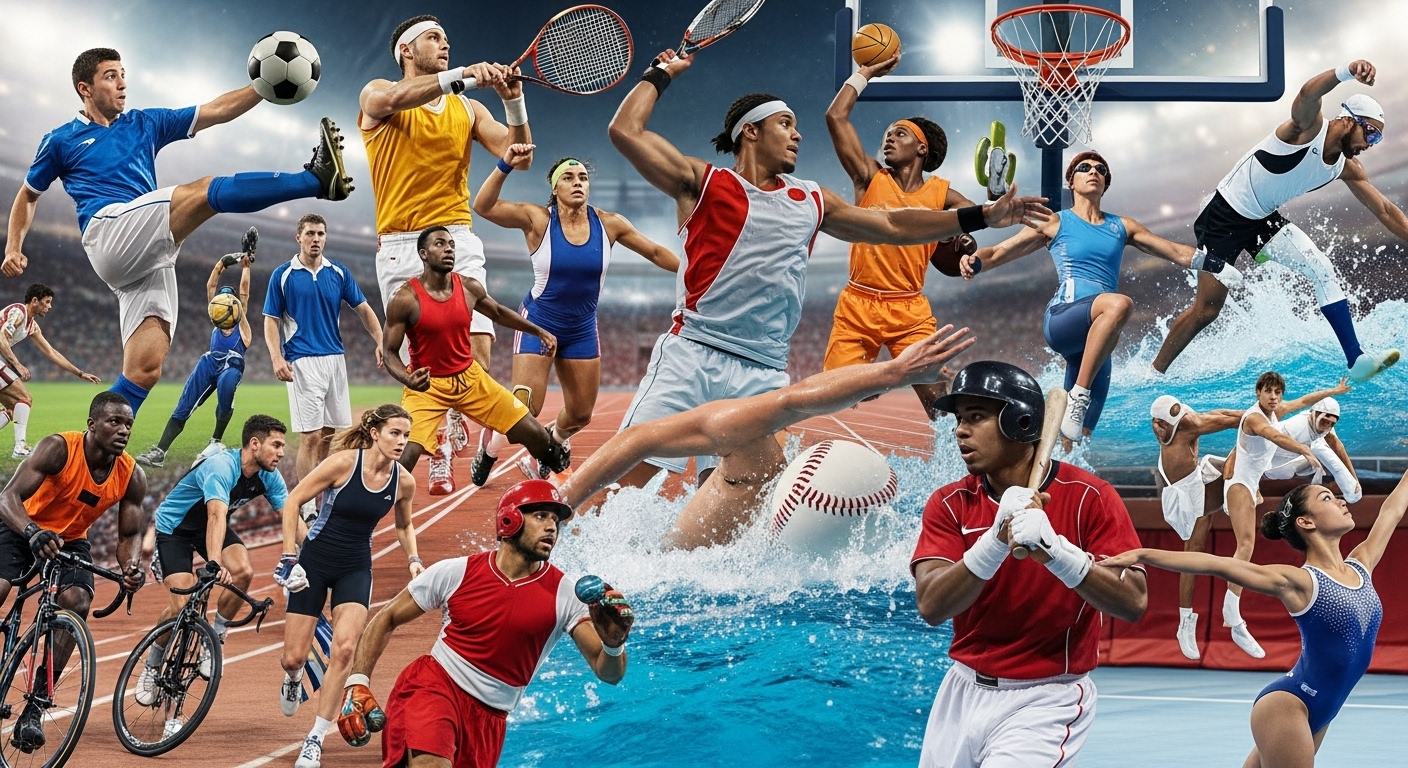
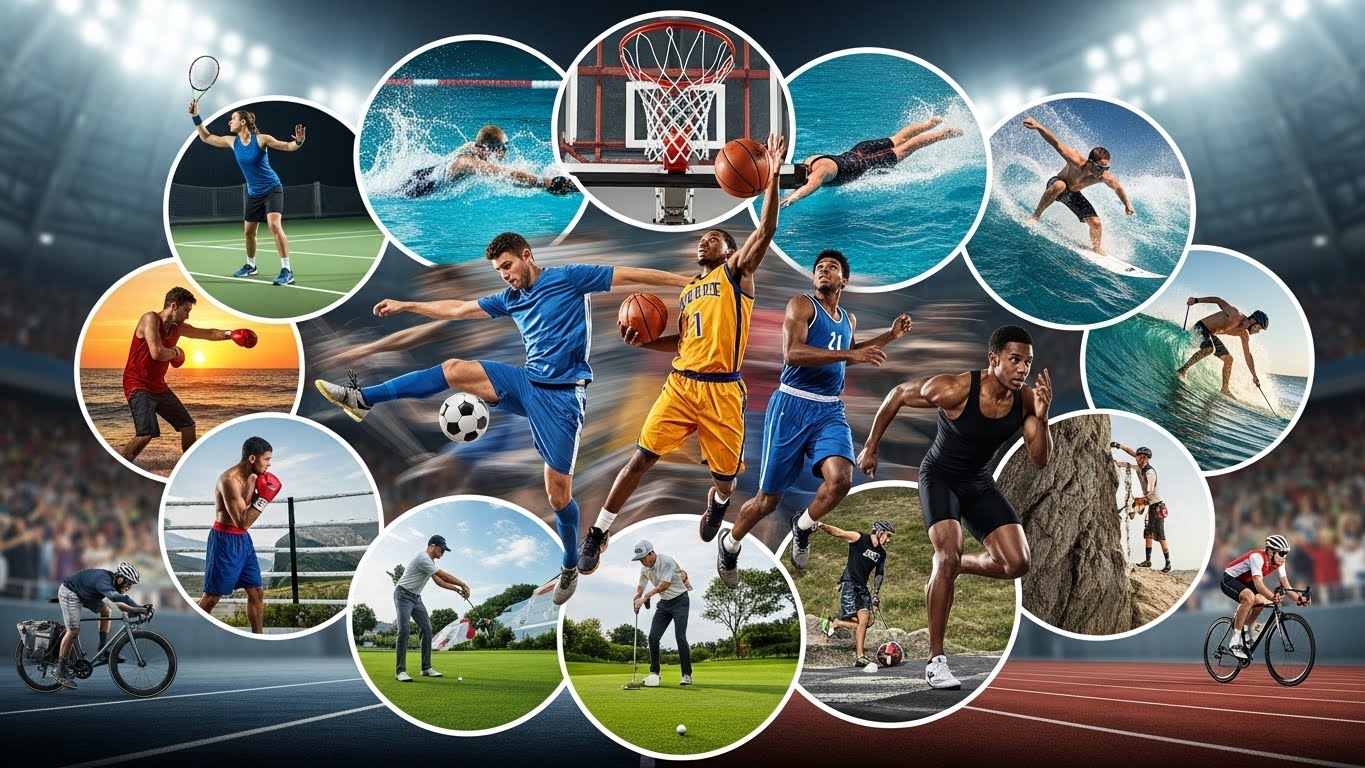
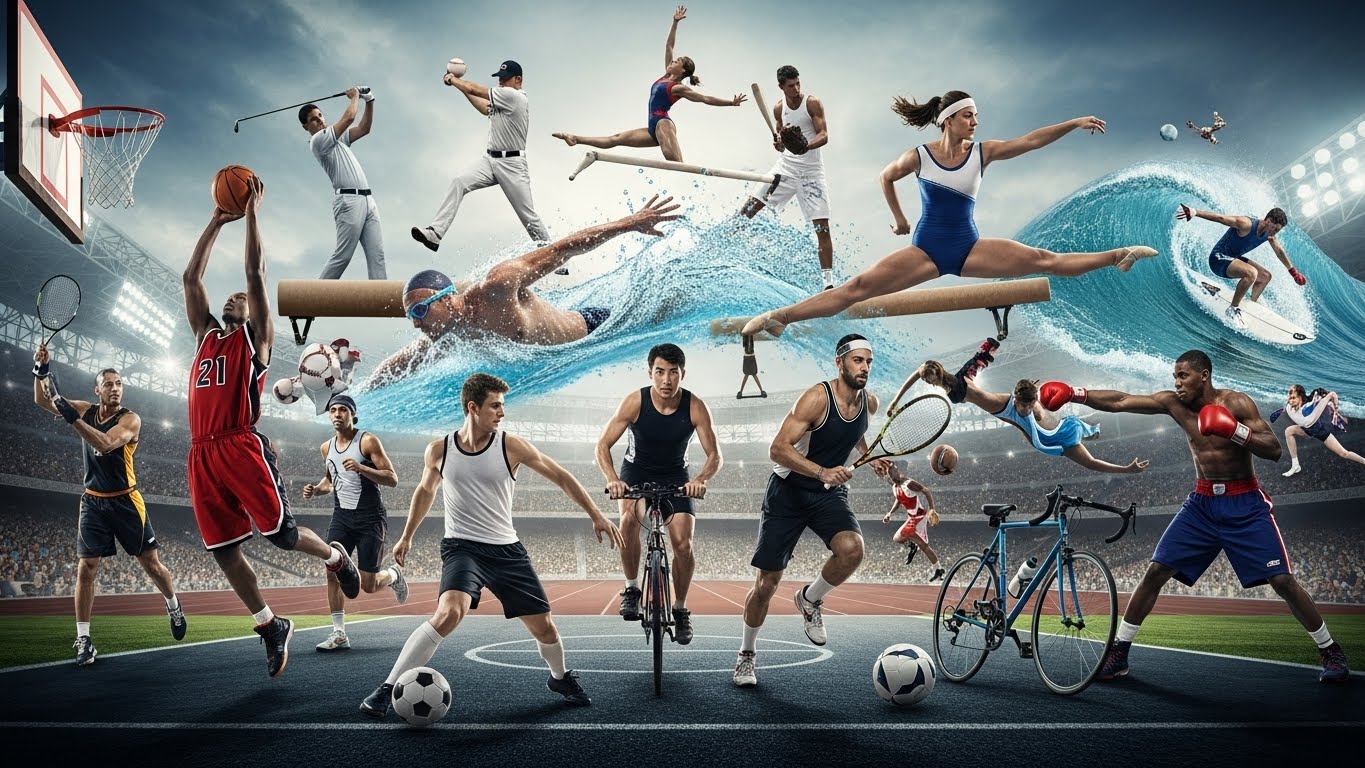
Sports can be broadly categorized into individual and team disciplines, each offering unique challenges and rewards. Individual sports such as tennis, athletics, swimming, and gymnastics emphasize personal skill, mental strength, and self-motivation. Athletes in these sports often rely heavily on rigorous training routines and personal strategy to achieve success.
Team sports like football, basketball, cricket, and volleyball emphasize collaboration, coordination, and strategic planning. Success depends not only on individual talent but also on the ability to work effectively within a group. The combination of personal excellence and teamwork makes these sports particularly engaging for participants and spectators alike.
Other categories include extreme sports, such as rock climbing, skateboarding, and snowboarding, which test both physical ability and mental courage. Adventure sports appeal to thrill-seekers and often highlight creativity, risk-taking, and innovation. Regardless of type, sports provide opportunities for individuals to challenge themselves and push the limits of human potential.
Sports as a Cultural Phenomenon
Sports are not merely games; they are a reflection of culture and society. International tournaments like the FIFA World Cup and the Olympics bring nations together, showcasing talent while fostering a sense of unity and pride. Fans rally behind their teams, creating shared experiences and traditions that strengthen community bonds.
Cultural identity is often closely tied to sports. Certain countries excel in specific disciplines, such as Brazil in football or Kenya in long-distance running, creating national pride and global recognition. Sports also serve as a medium for storytelling, celebrating history, achievements, and collective memory. From local leagues to international competitions, sports shape cultural narratives and inspire generations.
The Role of Technology in Modern Sports
Technology has transformed the way sports are played, managed, and consumed. Advances in equipment, training methods, and data analytics have enhanced performance and reduced injury risks. Wearable devices, motion sensors, and performance-tracking software allow athletes to monitor progress and fine-tune techniques with unprecedented precision.
Broadcasting innovations have also changed sports consumption. High-definition live streaming, instant replays, and virtual reality experiences bring fans closer to the action, making sports more accessible and immersive. Technology has democratized access to knowledge, training, and entertainment, ensuring that athletes and fans alike can engage with sports at new levels.
Economic Impact of Sports
The sports industry is a major contributor to the global economy. Professional leagues, clubs, and tournaments generate billions in revenue through ticket sales, sponsorships, merchandising, and media rights. Major events such as the Super Bowl, Wimbledon, and the Olympics have significant economic impact, driving tourism, job creation, and infrastructure development.
Sports also create opportunities beyond the field. Careers in coaching, sports medicine, journalism, marketing, and administration are closely tied to the industry. Furthermore, sports sponsorships allow brands to connect with audiences on emotional and cultural levels, leveraging the passion and loyalty of fans. The economic influence of sports extends beyond entertainment, shaping financial, social, and commercial landscapes worldwide.
Social Impact of Sports
Sports are a powerful tool for social development. They promote inclusivity, equality, and teamwork, creating platforms for marginalized groups to participate and excel. Community programs that encourage youth engagement in sports help reduce crime, foster discipline, and improve mental health.
Sports also provide opportunities for dialogue and advocacy. Athletes increasingly use their platforms to address social issues, promote awareness, and inspire change. Movements in gender equality, racial justice, and disability inclusion often find resonance in the sports world, demonstrating the potential of athletics to influence societal norms and values positively.
Challenges Facing Modern Sports
Despite its many benefits, sports face several challenges. Commercialization has raised concerns about fairness, ethical conduct, and the prioritization of profit over integrity. Issues such as doping, match-fixing, and corruption threaten the credibility of competitions and the spirit of sportsmanship.
Additionally, access to sports remains uneven globally. Socioeconomic barriers, gender inequality, and lack of infrastructure prevent many individuals from fully participating in athletic activities. Addressing these disparities is essential to ensure that sports remain inclusive, equitable, and accessible to all.
The Future of Sports
The future of sports is closely linked to innovation, globalization, and societal change. Emerging technologies like virtual reality, artificial intelligence, and advanced analytics will continue to redefine training, competition, and fan engagement. Global connectivity will allow athletes and fans to interact across borders, fostering new forms of international collaboration and competition.
Furthermore, the growing emphasis on mental health, wellness, and sustainability will shape the culture of sports. Organizations are increasingly prioritizing holistic athlete care, ethical practices, and environmentally responsible events. These trends suggest a future where sports not only entertain but also inspire, educate, and contribute positively to society.
Conclusion: The Enduring Power of Sports
Sports are far more than games or competitions—they are a vital part of human culture, personal development, and societal growth. They teach resilience, foster community, and offer avenues for expression and achievement. From the thrill of victory to the lessons learned in defeat, sports embody the essence of human endeavor.
As we move forward, sports will continue to adapt, innovate, and inspire. They will remain a universal language capable of uniting people across cultures, shaping identities, and celebrating the limitless potential of human skill and spirit. Beyond the game, sports are a testament to our collective passion, determination, and shared humanity.