Introduction
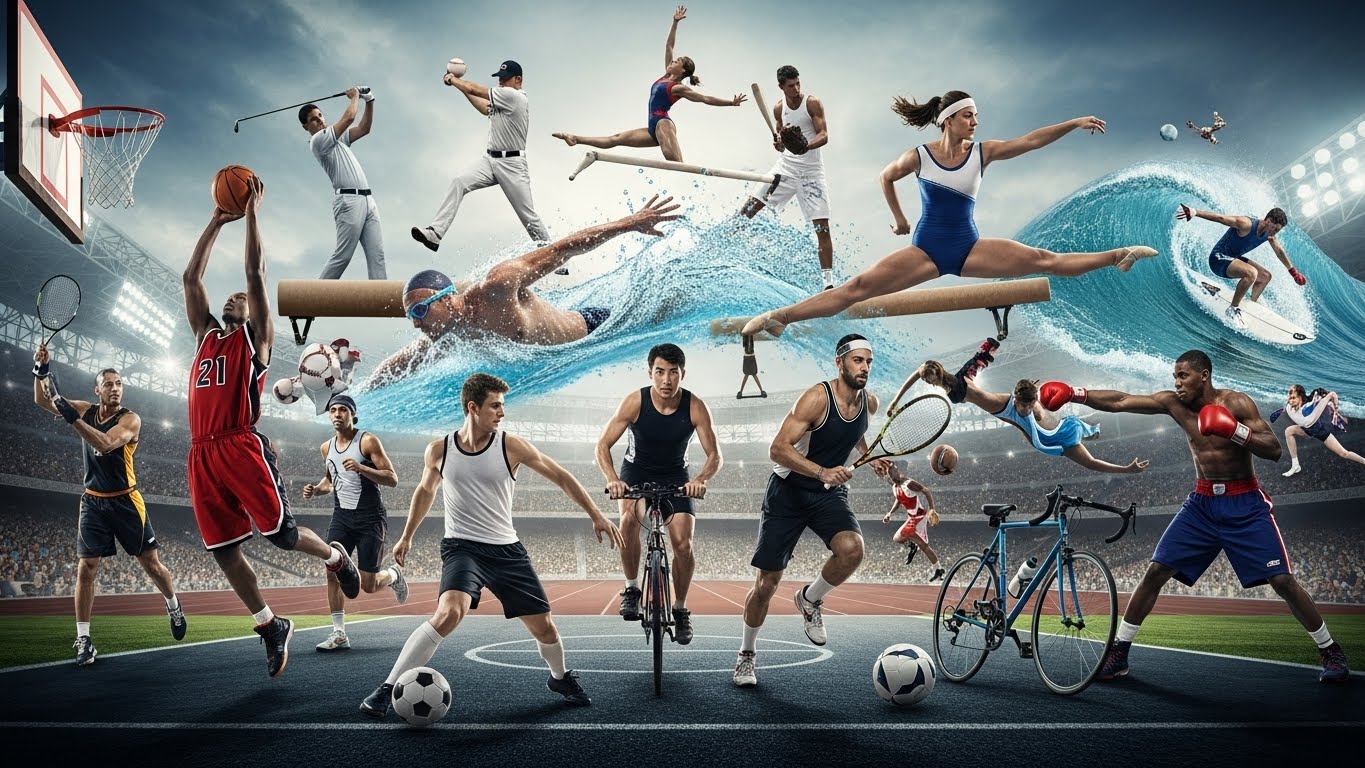
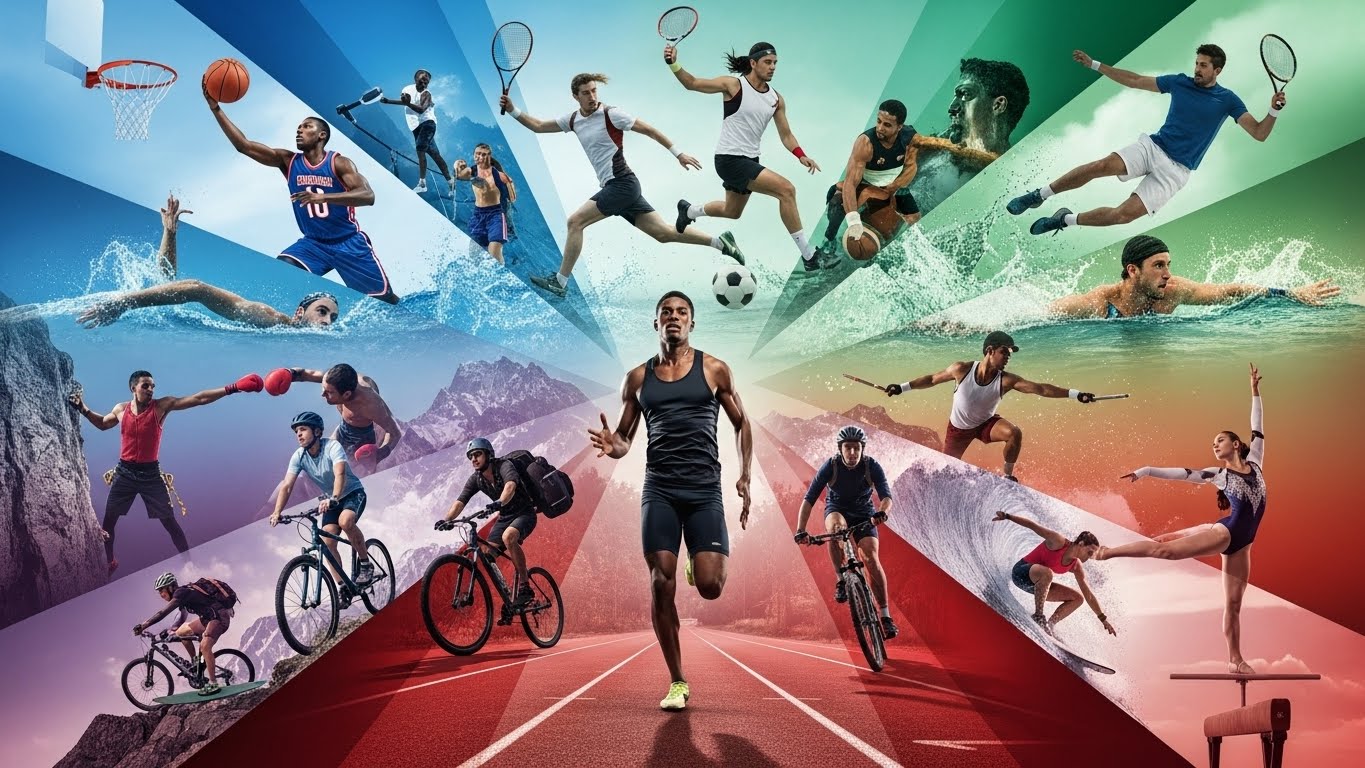
Sports have been an integral part of human civilization for centuries, serving as a medium for entertainment, competition, and community building. From ancient Olympic games to modern-day championships, sports transcend geographical, cultural, and social boundaries. They provide a platform for individuals to showcase talent, perseverance, and resilience. Beyond the mere thrill of winning or losing, sports play a vital role in shaping character, promoting health, and fostering unity. The significance of sports stretches far beyond the field, influencing various aspects of society and personal development.
The Historical Significance of Sports
The history of sports is a testament to human innovation and social evolution. Ancient civilizations, including the Greeks, Egyptians, and Romans, integrated sports into their cultural fabric. The Olympic Games, which began in Greece over 2,700 years ago, exemplify how sports were not just a form of entertainment but also a celebration of physical excellence, discipline, and communal harmony. Over time, sports evolved to reflect societal changes, from the establishment of organized leagues in the 19th century to the professional sporting industries we see today. Understanding this history highlights how sports have always been a mirror to societal values and aspirations.
Sports as a Medium of Physical and Mental Health
Engaging in sports provides numerous physical benefits, including improved cardiovascular health, increased strength, and enhanced flexibility. Regular physical activity can prevent chronic illnesses such as obesity, diabetes, and hypertension. Beyond physical benefits, sports significantly impact mental health. Participation in sports reduces stress, alleviates anxiety, and enhances mood through the release of endorphins. Athletes often develop a sense of discipline, time management, and goal-setting skills, which are transferable to other areas of life. In an era where sedentary lifestyles are becoming more common, sports serve as a critical tool for maintaining holistic well-being.
The Role of Sports in Social Integration
One of the most profound impacts of sports is its ability to bring people together, regardless of background, race, or economic status. Stadiums filled with fans cheering for a common goal exemplify how sports create a shared identity. Community-based sports programs promote inclusivity, offering opportunities for underprivileged youth to engage in constructive activities. Additionally, global sporting events like the FIFA World Cup or the Olympics foster international cooperation and cultural exchange. By promoting teamwork, empathy, and understanding, sports contribute to a more cohesive and harmonious society.
Sports and Character Development
Participation in sports cultivates essential life skills and values. Discipline, perseverance, teamwork, and leadership are inherent qualities developed through consistent engagement in sports. Facing wins and losses teaches resilience and the importance of effort over mere outcomes. Athletes learn to set goals, strategize, and adapt to changing circumstances, skills that are equally valuable in personal and professional life. Moreover, sports encourage ethical behavior, fair play, and respect for opponents, which reinforces moral development and integrity.
The Economic Impact of Sports
Sports are not only a cultural phenomenon but also a significant economic driver. Professional leagues, merchandise sales, broadcasting rights, and sponsorships generate billions of dollars globally. Sporting events boost local economies through tourism, infrastructure development, and employment opportunities. Cities hosting international competitions experience a surge in business activities, including hospitality, transportation, and retail sectors. Additionally, sports-related industries, such as fitness equipment, apparel, and nutrition, continue to grow, further emphasizing the economic relevance of sports in modern society.
Technology and Innovation in Sports
The integration of technology has revolutionized sports, enhancing both performance and spectator experience. Advanced analytics, wearable devices, and video-assisted refereeing systems provide athletes and coaches with precise insights to optimize performance. Virtual reality and augmented reality have transformed how fans engage with games, offering immersive experiences beyond traditional broadcasting. Sports science, nutrition tracking, and injury prevention technologies contribute to longer, healthier careers for athletes. The synergy of technology and sports has elevated the standards of performance, fairness, and fan engagement to unprecedented levels.
Women in Sports: Breaking Barriers
The rise of women in sports is a testament to changing societal norms and the ongoing fight for gender equality. Female athletes have shattered stereotypes and achieved remarkable success in various fields, from tennis and soccer to athletics and cricket. Increased visibility of women’s sports has inspired younger generations to pursue their passions without limitations. Despite challenges such as unequal pay, lack of media coverage, and limited sponsorship opportunities, women in sports continue to push boundaries and redefine excellence. Their achievements highlight the transformative power of sports in promoting inclusivity and empowerment.
Sports and Youth Development
For children and adolescents, sports offer far more than recreational activity. Participation in sports instills discipline, enhances social skills, and promotes physical fitness from an early age. Team sports, in particular, teach collaboration, communication, and conflict resolution. Youth programs focused on sports also serve as preventive measures against negative influences, such as substance abuse and delinquency. By nurturing talent and character simultaneously, sports play a critical role in shaping responsible, confident, and well-rounded individuals prepared to face life’s challenges.
The Cultural Influence of Sports
Sports have a profound impact on culture, influencing fashion, music, and lifestyle choices. Iconic athletes become role models and cultural ambassadors, inspiring millions with their achievements both on and off the field. Sporting events often transcend their primary purpose, becoming festivals that celebrate national pride and identity. The rituals, chants, and traditions associated with sports strengthen community bonds and provide a sense of belonging. Additionally, sports have the power to highlight social issues, from racial equality to environmental sustainability, using their platform to drive awareness and change.
Challenges Facing Modern Sports
Despite its many benefits, modern sports face significant challenges. Corruption, doping scandals, and unethical practices threaten the integrity of sports. Excessive commercialization can shift focus from athletic excellence to profit, affecting fairness and accessibility. Moreover, the pressure on athletes, both mental and physical, can lead to burnout and long-term health issues. Addressing these challenges requires a collective effort from governing bodies, coaches, athletes, and fans to ensure that sports continue to inspire, unite, and uplift society while preserving their core values.
The Future of Sports
The future of sports promises innovation, inclusivity, and sustainability. Emerging trends, such as e-sports and virtual competitions, are redefining what it means to be an athlete and a fan. Environmental sustainability is becoming a priority, with initiatives aimed at reducing carbon footprints during large-scale events. There is also a growing emphasis on mental health support for athletes, ensuring that physical performance does not come at the cost of psychological well-being. With continuous advancements in technology, inclusivity, and awareness, sports will remain a dynamic force shaping societies worldwide for generations to come.
Conclusion
Sports are far more than just games; they are a reflection of human spirit, resilience, and unity. From promoting physical and mental health to fostering social cohesion and cultural exchange, sports impact every facet of life. They teach values that transcend the playing field, shaping character, leadership, and ethical behavior. Despite challenges, sports continue to evolve, embracing technology, inclusivity, and global collaboration. Ultimately, the unifying power of sports lies in their ability to inspire, challenge, and connect people, reminding us that the essence of sports is not just in competition but in the shared human experience.