
Introduction: Sports Beyond Entertainment
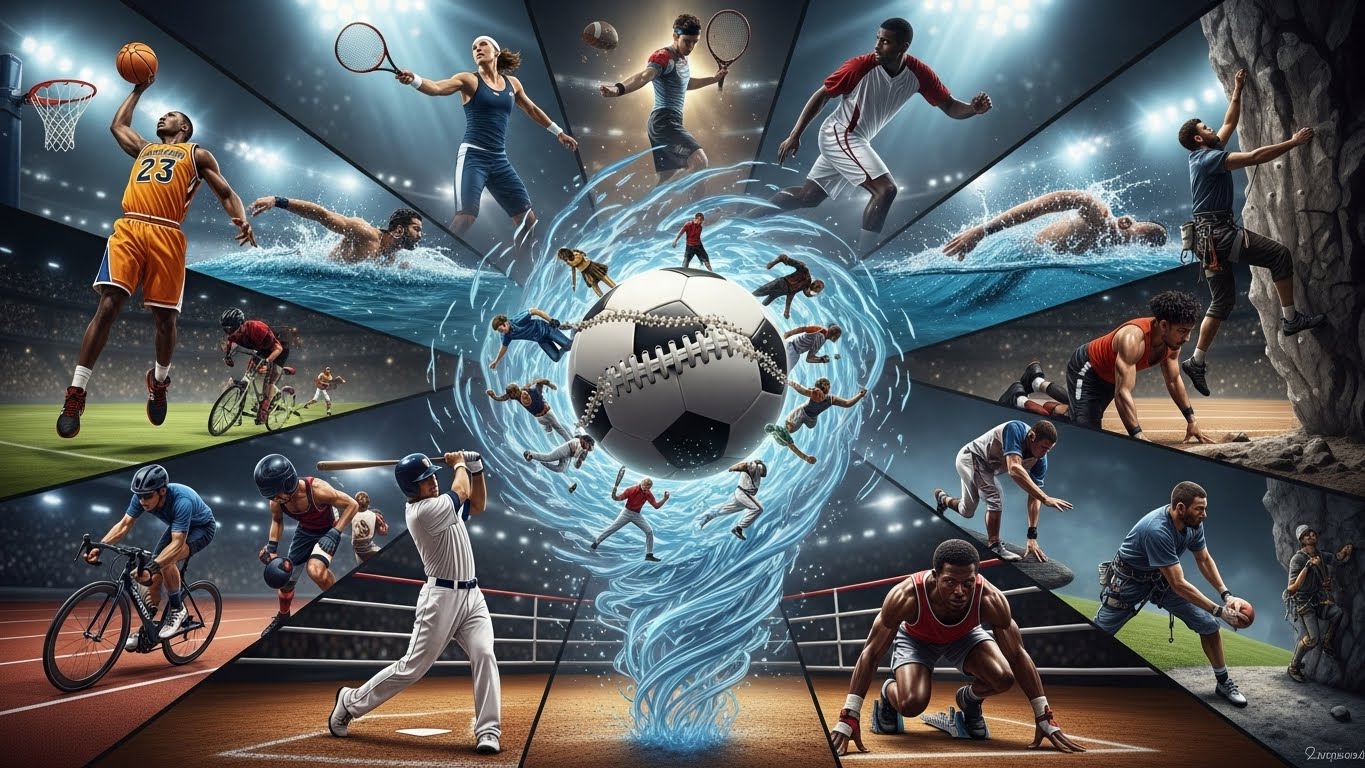
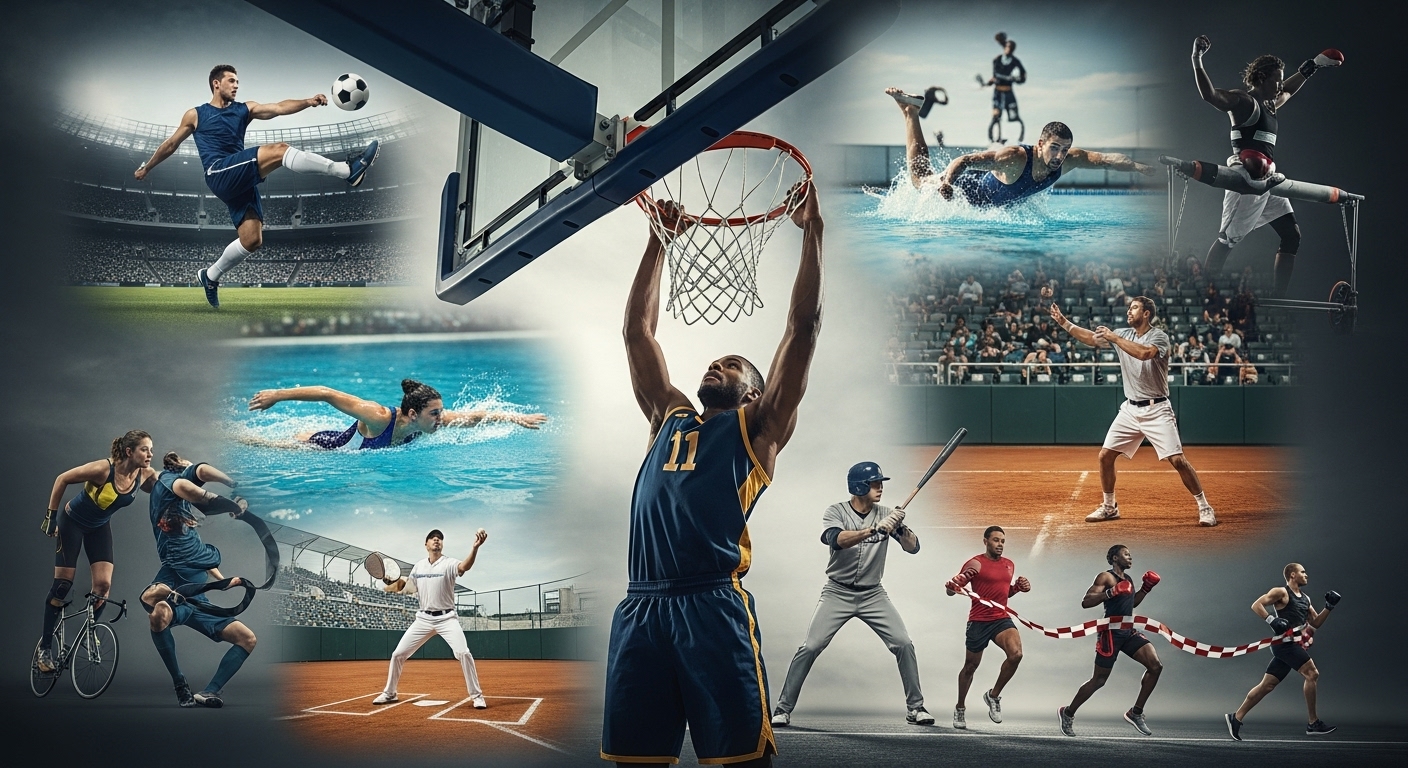
Sports have always been more than just games. They are a reflection of human ambition, resilience, and passion. From neighborhood playgrounds to professional arenas, sports influence our lives in ways that go far beyond scores and trophies. They shape our physical health, mental well-being, social connections, and even cultural identity. This blog explores the comprehensive impact of sports on individuals, communities, and society as a whole.
A Glimpse into the History of Sports
The origins of sports can be traced back to ancient civilizations where physical contests were essential for survival, military training, or ceremonial purposes. Ancient Greeks organized the first Olympic Games to honor their gods and celebrate human physical potential. Similarly, traditional sports in various cultures reflected local values, rituals, and challenges.
Over time, sports evolved into structured competitions with formal rules, leagues, and worldwide audiences. Modern sports, ranging from football and cricket to swimming and athletics, have transformed into platforms for global unity, national pride, and personal achievement. Understanding the evolution of sports helps us appreciate their cultural, historical, and social significance.
Physical Benefits of Sports
One of the most immediate benefits of sports is physical health. Regular participation improves cardiovascular strength, muscle endurance, flexibility, and overall fitness. Unlike repetitive gym exercises, sports offer dynamic movement in an engaging environment, making exercise enjoyable and motivating.
For children, sports help develop coordination, motor skills, and strong bones. Teenagers gain stamina, discipline, and better overall fitness. Adults benefit from weight management, reduced risk of chronic diseases, and improved energy levels. Even older adults can maintain mobility and independence through activities like swimming, walking, and adapted sports.
Sports are not just about muscles and stamina—they enhance longevity and encourage lifelong healthy habits. Active lifestyles, formed through consistent participation in sports, are linked to stronger immunity and better quality of life.
Mental Strength Through Sports
Sports are as much a mental challenge as they are a physical one. They require focus, strategy, decision-making, and the ability to stay calm under pressure. Athletes learn to set goals, overcome obstacles, and adapt quickly to changing situations. These skills extend beyond sports, helping individuals succeed in academic, professional, and personal endeavors.
Participation in sports also boosts emotional resilience. Experiencing both victories and defeats teaches humility, perseverance, and patience. Sports encourage self-confidence and self-awareness, helping players manage stress, anxiety, and frustration effectively.
Additionally, engaging in sports releases endorphins, reducing depression and enhancing mood. For many, sports are not just a pastime—they are a source of mental clarity, motivation, and emotional balance.
Teamwork and Social Skills
Sports, especially team sports, are exceptional teachers of social skills. Working together toward a shared goal fosters trust, communication, and cooperation. Each player understands the value of their role while respecting the contributions of others. Team sports build camaraderie, leadership skills, and the ability to work under collective pressure.
Even individual sports, such as tennis, martial arts, or gymnastics, involve coaches, trainers, and supportive peers. The social network built around sports nurtures friendships, mentorship, and community engagement. Local leagues, school teams, and neighborhood clubs provide spaces for meaningful interaction and community bonding.
Sports also encourage inclusivity and respect for diversity. People from different backgrounds, ages, and abilities unite through shared passion, promoting understanding and empathy.
Sports as a Universal Language
One of the most remarkable aspects of sports is their universality. Regardless of culture, language, or geography, sports bring people together. A football match, a cricket final, or an Olympic event can unite millions of people globally, creating moments of collective excitement and shared emotion.
Sports transcend boundaries, enabling cultural exchange and global connection. Athletes from different nations compete on the same platform, fostering mutual respect and understanding. Fans cheer passionately, yet the celebration of human effort and skill remains a shared experience across continents.
This universal appeal is what makes sports a powerful tool for diplomacy, cultural unity, and global cooperation.
Economic Impact of Sports
Sports contribute significantly to the global economy. Professional leagues, tournaments, and sporting events generate employment for athletes, coaches, referees, and support staff. Industries such as tourism, hospitality, and merchandising benefit from sports-related activities.
Local communities also experience economic growth through sports. Community leagues, school programs, and recreational facilities create business opportunities and attract investments. Sports events boost tourism, media engagement, and cultural promotion, demonstrating that their influence extends far beyond entertainment.
Moreover, technological innovations in sports equipment, broadcasting, and analytics create new industries and enhance the economic footprint of sports worldwide.
The Role of Technology in Sports
Technology has transformed how sports are played, trained, and viewed. Athletes now have access to high-tech training equipment, wearable devices, and data analytics to optimize performance. Video-assisted refereeing, instant replay, and performance sensors improve accuracy and fairness in competitions.
Fans enjoy immersive experiences through live streaming, interactive broadcasts, and social media engagement. Technology connects athletes with global audiences, creating new ways to celebrate talent and skill.
Sports medicine and biomechanical analysis also allow athletes to train safely, reducing injury risks and extending careers. The integration of technology ensures sports continue to evolve while remaining exciting and safe for everyone involved.
Inclusivity and Adapted Sports
Sports are increasingly inclusive. Adapted programs for individuals with disabilities, such as wheelchair basketball or the Paralympic Games, showcase that athletic talent is universal. These initiatives promote equality, break stereotypes, and empower athletes to achieve their best.
Women’s sports have also gained recognition, challenging historical inequalities and inspiring future generations. Greater representation and opportunities allow female athletes to compete professionally and serve as role models for aspiring players worldwide.
Inclusive sports programs foster empowerment, build confidence, and encourage communities to celebrate diversity in all its forms.
Sports in Education
Schools and universities integrate sports to promote holistic development. Student-athletes benefit from improved academic performance, leadership skills, and time management. Sports teach cooperation, resilience, and ethical behavior, complementing classroom learning.
Educational sports programs identify talent early, encourage personal growth, and instill values such as discipline, respect, and fair play. They also provide students with healthy outlets for energy, creativity, and stress relief, fostering well-rounded individuals ready to face future challenges.
The Spirit of Competition
Competition is the essence of sports. It motivates athletes to improve, innovate, and push beyond their limits. Yet, the true spirit of competition is not just about winning—it is about striving for personal excellence, learning from setbacks, and celebrating effort.
Losing teaches humility and determination, while winning inspires confidence and goal-setting. Both experiences build character, resilience, and a mindset that values continuous improvement. The thrill of competition encourages individuals to embrace challenges and pursue growth in all areas of life.
Sportsmanship: Ethics and Integrity
Sportsmanship is the core principle that gives sports their true meaning. It emphasizes respect for opponents, adherence to rules, and acceptance of outcomes with grace. Athletes who practice sportsmanship inspire their peers, fans, and younger generations to value fairness, integrity, and ethical behavior.
Sportsmanship also strengthens communities. By encouraging mutual respect and positive interaction, it reinforces the idea that sports are not just about winning, but about character, cooperation, and shared enjoyment.
The Future of Sports
The future of sports is dynamic and promising. Emerging trends like esports, virtual reality training, and AI-driven performance analysis are expanding the ways people engage with sports. Sustainability in sports facilities, eco-friendly practices, and increased inclusivity are shaping a more conscious and equitable industry.
Sports will continue to unite people globally, adapt to technological advances, and inspire generations to come. Their enduring value lies in their ability to foster physical fitness, mental strength, social connection, and shared celebration of human potential.
Conclusion: Why Sports Matter
Sports are a vital part of human life. They improve physical health, build mental resilience, foster teamwork, and create social bonds. They promote ethical behavior, personal growth, and cultural exchange. Beyond competition and entertainment, sports teach us valuable life lessons—discipline, perseverance, and respect.
Whether played casually, professionally, or watched passionately, sports inspire passion, connection, and achievement. They remind us that effort, teamwork, and integrity are more important than the scoreboard. In every game, race, or match, sports encourage us to challenge ourselves, grow, and celebrate our shared humanity.