Introduction
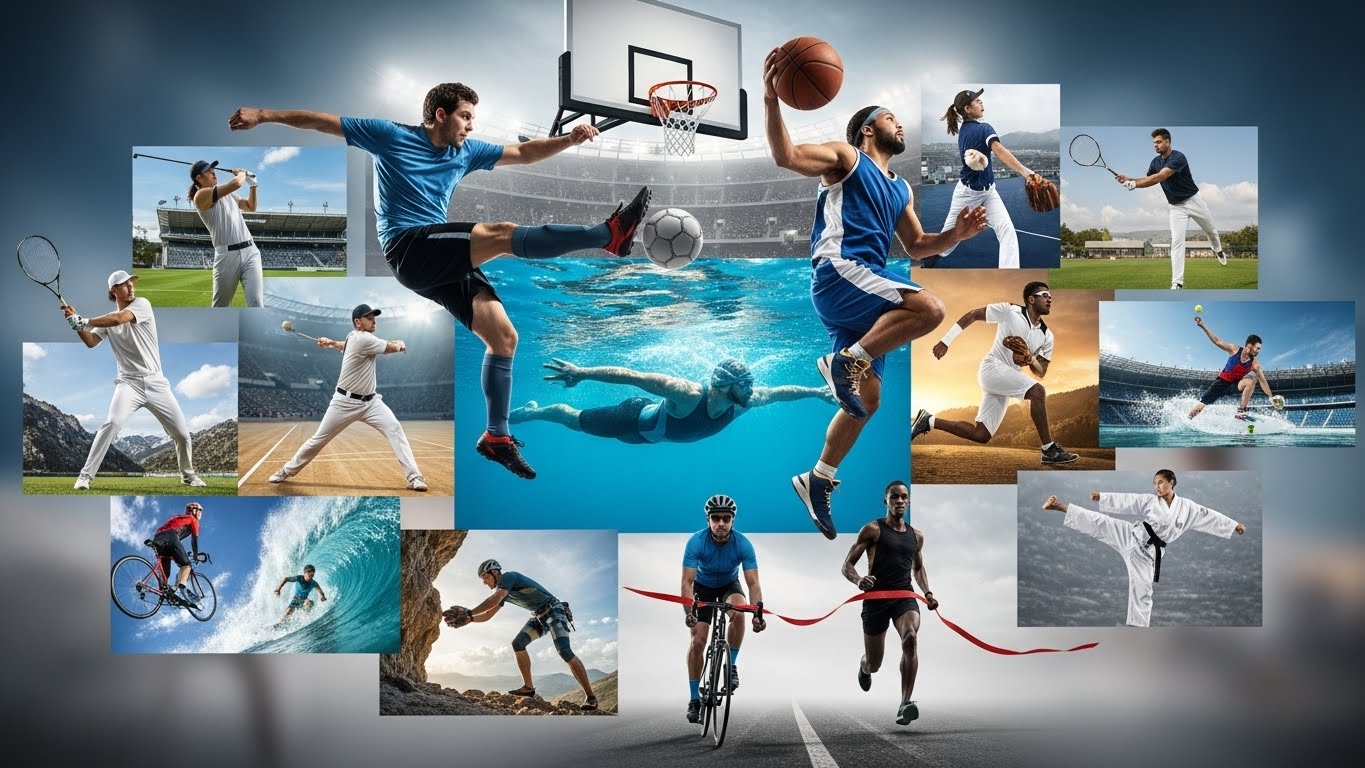
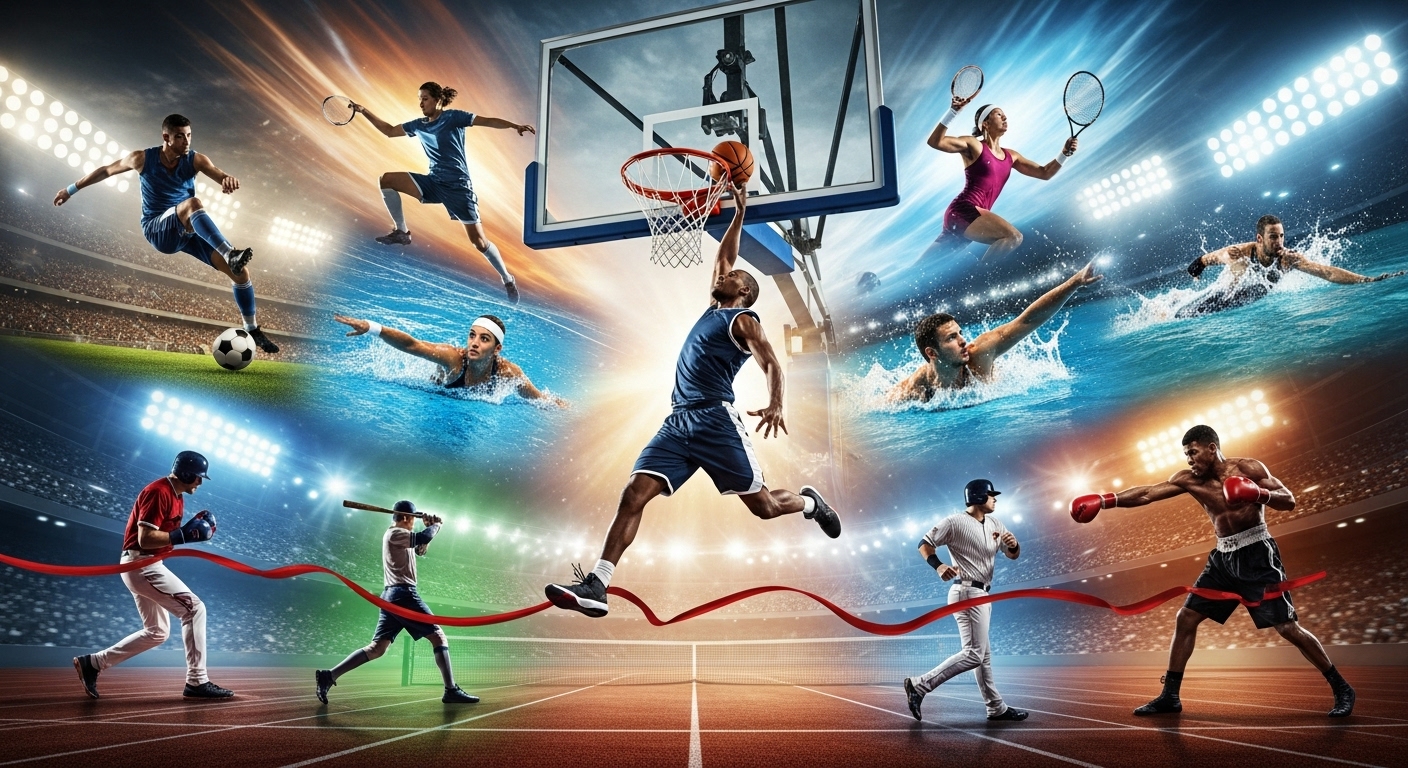
Sports have always been more than just a form of entertainment or a physical activity. They are a global language, spoken by people of all cultures, backgrounds, and walks of life. Whether you’re watching an Olympic sprint, playing a friendly soccer match in the park, or cheering for your favorite team on TV, sports are an integral part of daily life around the world.
From ancient civilizations to modern times, sports have been a powerful means of bringing people together, teaching values like discipline, perseverance, and teamwork, and inspiring individuals to strive for greatness. But beyond the competitive aspect, sports hold the unique ability to foster connections that transcend language barriers, cultural differences, and even national borders.
In this blog post, we’ll explore the profound impact that sports have on individuals and societies. From their role in promoting physical and mental health to their ability to unite diverse communities and cultures, sports continue to shape the world in ways both big and small.
The History and Evolution of Sports
To understand the power of sports in today’s world, it’s essential to look at their historical roots. The origins of organized sports date back thousands of years to ancient civilizations. The ancient Greeks, for example, organized the first Olympic Games in 776 BC, which celebrated athletic prowess and honored their gods. These games included events like running, wrestling, and boxing, which laid the foundation for many modern-day competitions.
In ancient China, martial arts like kung fu became central to both physical fitness and philosophical teachings. Similarly, in ancient Mesoamerica, civilizations such as the Maya and Aztec played the ball game “tlachtli,” which combined athletic competition with ritualistic significance.
Fast forward to the 19th and early 20th centuries, and the structure of modern sports began to emerge. Sports such as soccer, rugby, and baseball were formalized with clear rules and governing bodies. The establishment of major international sporting events like the FIFA World Cup and the Olympic Games further solidified sports as a global phenomenon. Today, sports are not only a way to compete but also a form of entertainment, business, and cultural expression that impacts millions of people worldwide.
Sports as a Tool for Social Change
Beyond their entertainment and health benefits, sports are a vehicle for social change. Over the years, athletes have used their platform to address important issues, from civil rights to gender equality, using sports as a medium to inspire societal progress.
Breaking Down Barriers
Sports have always had the power to bring people from different backgrounds together. In the United States, Jackie Robinson’s entry into Major League Baseball in 1947 was a landmark moment in the civil rights movement. Robinson broke the color barrier in baseball and became a symbol of racial integration, not only in sports but in society as a whole. Similarly, in South Africa, Nelson Mandela famously used the 1995 Rugby World Cup as a way to heal a nation torn apart by apartheid, reminding the world of sports’ ability to unite even in the most challenging of times.
In recent years, athletes have also used their visibility to speak out on issues like police brutality, gender inequality, and mental health awareness. Iconic moments like Colin Kaepernick’s protest against racial injustice by kneeling during the national anthem, and Serena Williams’ advocacy for women’s rights in sports, show how sports can serve as a powerful stage for social change.
Promoting Gender Equality
Historically, women’s participation in sports has been limited, but this dynamic has been changing over the past century. Women have fought for and gained the right to compete in most major sports events, culminating in milestones like the inclusion of women in the Olympics and the rise of professional women’s leagues in soccer, basketball, and tennis. These victories are not just about sports—they are about equality, representation, and the breaking down of societal barriers that have historically kept women from excelling in competitive fields.
Sports also provide women with a platform to challenge traditional gender roles, prove their strength, and inspire future generations of female athletes. The visibility of athletes like Simone Biles, Megan Rapinoe, and Billie Jean King has paved the way for girls and women to take their place on the world stage, both in the arena and in society.
Health Benefits of Sports
One of the primary reasons why sports are so important is their positive impact on physical and mental health. Engaging in sports not only improves cardiovascular health and builds muscle strength but also helps to combat the growing concerns of obesity, diabetes, and other chronic diseases.
Physical Fitness
Regular participation in sports helps individuals stay physically active, which in turn reduces the risk of health issues like heart disease, high blood pressure, and diabetes. Sports improve coordination, balance, and flexibility, making them essential for maintaining a healthy body at any age.
For children, sports are especially important for developing motor skills and physical fitness at an early age. Organized sports provide children with the opportunity to learn important skills like teamwork, discipline, and leadership, all while staying active and fit.
Mental Health
Sports have an equally significant impact on mental health. Research has shown that engaging in physical activity stimulates the release of endorphins, the body’s natural mood lifters, which can help reduce stress, anxiety, and depression. Whether it’s the mental focus required in individual sports like tennis or the team-building dynamics in sports like football, the act of participating in sports provides a welcome escape from daily pressures and can help individuals feel more connected to their bodies and minds.
For athletes at all levels, sports can also build confidence and self-esteem, providing a sense of accomplishment and purpose. The skills learned through sports, such as perseverance, time management, and goal setting, can help individuals not just in their sporting careers but in their personal and professional lives as well.
The Role of Technology in Modern Sports
In recent decades, technology has significantly influenced the world of sports, enhancing both performance and the fan experience. Advances in equipment, training techniques, and data analytics are changing how athletes compete and how fans engage with the action.
Improving Performance and Training
Today’s athletes benefit from sophisticated training tools that help them reach peak performance. Wearable devices, such as fitness trackers and smartwatches, allow athletes to monitor their heart rate, track their movements, and analyze their training data. High-tech devices like force plates, motion sensors, and virtual reality simulations are revolutionizing the way athletes train, providing insights into their technique, posture, and overall performance.
Additionally, technology has played a pivotal role in injury prevention and rehabilitation. Innovations like cryotherapy, magnetic therapy, and robotic exoskeletons have helped athletes recover faster from injuries and minimize downtime.
Enhancing Fan Experience
Technology has also transformed the way fans experience sports. From HD television broadcasts to live-streaming platforms, fans can now watch games from anywhere in the world. With social media, fans have direct access to their favorite athletes, offering real-time updates, behind-the-scenes content, and interactive experiences.
Virtual and augmented reality (VR and AR) are pushing the boundaries of fan engagement even further. VR allows fans to experience games in a more immersive way, while AR adds layers of digital information to the live viewing experience, such as stats or player profiles.
Esports: The Digital Frontier
While traditional sports continue to dominate the global stage, a new wave of competition is rapidly gaining popularity—esports. Competitive video gaming has exploded into a billion-dollar industry, with players and teams competing in tournaments for major prizes. Esports is attracting millions of viewers around the world, particularly among younger generations.
Esports are not just about the games themselves but also about the culture surrounding them. The rise of streaming platforms like Twitch and YouTube has made esports a more accessible and interactive experience, allowing fans to watch matches live, chat with players, and even participate in events. The recognition of esports as an official competition in major sporting events like the Asian Games is a testament to the growing influence of this digital phenomenon.
The Future of Sports
The future of sports is bright, and the continued convergence of technology, media, and culture will only enhance their impact. Advances in artificial intelligence, biomechanics, and virtual reality will shape the way athletes train and compete. Meanwhile, sports will continue to serve as a platform for social change, bridging gaps between diverse communities and fostering unity through competition and camaraderie.
As esports grows in prominence and new sports emerge, the landscape of athletic competition will continue to evolve. One thing is clear: sports will remain a universal language, uniting people across the globe and inspiring future generations to chase their dreams.
Conclusion
Sports have always been a force for good in society, transcending the boundaries of culture, geography, and language. Whether it’s on the playing field, in the stands, or in the living room watching a game, sports have a unique ability to bring people together.
They promote health, teach valuable life lessons, and, perhaps most importantly, provide an opportunity to connect with others. As technology continues to transform the way we play, watch, and interact with sports, their influence will only continue to grow. The future of sports is one of inclusivity, innovation, and inspiration, and its power to shape our world will undoubtedly remain steadfast for generations to come.